Primary Roof Types
Sloped Roof
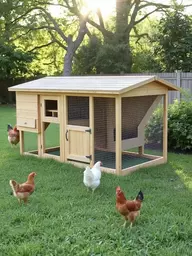
Single slope, simple to construct, efficient water runoff. Best for rainy climates.
Gable Roof
Two slopes meeting at a peak, excellent ventilation and drainage. Aesthetically pleasing.
Welcome to American Chicken Coops, your trusted resource for happy, healthy backyard chickens!
Jun 14
Building the perfect chicken coop involves more than just a sturdy frame. If you live in a rainy climate, understanding how to design an effective roof can be a game-changer for the health and happiness of your flock.
Understanding the primary roof types and critical factors influencing chicken coop design is essential for building a resilient shelter. For those just starting out, a beginner's guide to chicken coops can provide a solid foundation before diving into roof specifics. Below is a comparison of common roof types and key considerations.
Single slope, simple to construct, efficient water runoff. Best for rainy climates.
Two slopes meeting at a peak, excellent ventilation and drainage. Aesthetically pleasing.
Minimum 24 sq ft for 6 birds; larger breeds need more space. Impacts overall coop dimensions.
Waterproof materials (metal/treated wood). Aim for at least 3:12 pitch for optimal drainage.
When it comes to keeping your backyard chickens happy and healthy, the roof design of your chicken coop plays a crucial role—especially in rainy climates. A well-designed roof not only protects your flock from the elements but also contributes to the overall durability and comfort of the coop. As someone who has spent over 35 years building chicken coops, I’ve learned that the right roof can prevent leaks and moisture build-up that could harm your birds.
In rainy conditions, a poorly designed roof can lead to serious issues such as flooding or structural damage. If you want your feathered friends to thrive, ensuring that your coop has a roof that can withstand heavy rainfall is essential. So let's dive deeper into roof design specifics!
Roof design is not just about aesthetics; it’s about creating a safe haven for your chickens. In wet weather, a coop roof needs to perform several functions:
By considering these factors when designing your chicken coop, you’ll create a more resilient shelter that supports your flock's health and well-being. Additionally, implementing effective moisture control in chicken coops is vital to prevent health issues.
When it rains, it’s crucial to ensure that your coop is equipped to handle the moisture. Here are some key requirements for chicken housing in wet weather:
Meeting these requirements will help you create a chicken coop that stands the test of time—even in the rainiest of conditions!
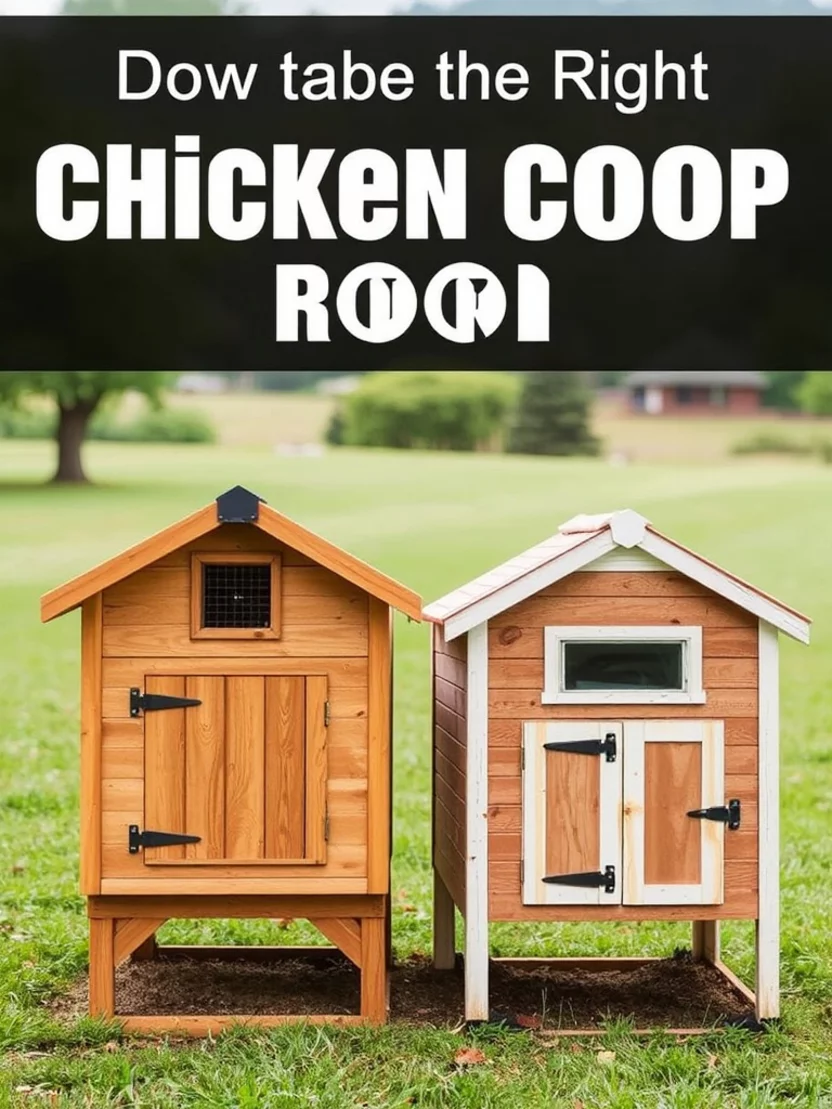
When it comes to choosing the right roof type for your coop, understanding the differences between sloped and gable roofs is key. Here’s a quick overview:
Both roof types have their advantages, so consider your specific needs and local weather conditions when making a choice. Remember, a well-chosen roof can make a significant difference in the safety and comfort of your chickens!

What challenges have you faced when designing a roof for your chicken coop? Share your thoughts and experiences below:
When it comes to selecting the perfect roof design for your chicken coop, understanding the differences between sloped and gable roofs is crucial. Both options have their own advantages, especially when considering your local weather conditions, materials, and pitch recommendations. Remember, a well-designed roof not only protects your flock but also enhances the longevity of your coop!
In summary, sloped roofs provide excellent water shedding capabilities, while gable roofs offer more space for ventilation and insulation. Choosing the right materials, such as metal or asphalt shingles, will also help ensure durability against wet weather.
By weighing these factors, you can confidently choose a roof design that meets the needs of both your chickens and your budget.
The size of your chicken coop is a fundamental aspect that influences the overall design and functionality. Larger breeds may require more space, while smaller breeds can thrive in cozier quarters. Additionally, the number of chickens you plan to keep will dictate how spacious your coop should be.
For instance, if you’re thinking about raising a flock of six birds, a minimum of 24 square feet of space is recommended. If you have larger breeds, consider increasing that to ensure they have enough room to roam freely without feeling cramped. For detailed guidance, explore DIY chicken coop plans for 6 birds.
Don't forget to think about the coop's orientation, which can impact airflow and sunlight exposure. It's all about creating a functional space that keeps your chickens happy and healthy!
A1: In rainy climates, a well-designed roof is crucial for protecting your flock from the elements, preventing leaks, and avoiding moisture build-up that can harm your birds. It also ensures the overall durability and comfort of the coop.
A2: A coop roof in wet weather needs to deflect rainwater away from the coop, allow for adequate ventilation to prevent moisture build-up, and provide insulation to keep chickens warm during damp days.
A3: It's essential to use waterproof materials that resist rot and decay, such as treated wood or metal. Metal roofing is excellent for longevity, while asphalt shingles can be a cost-effective alternative.
A4: A sloped roof features a single angle, making it efficient for water runoff and simple to construct. A gable roof has two sloped sections meeting at a peak, offering excellent ventilation and drainage, and is often more aesthetically pleasing.
A5: A minimum of 24 square feet is recommended for a flock of six birds, with larger breeds requiring more space. While coop size directly impacts the overall dimensions, it indirectly affects roof design by determining the total roof area needed to cover the coop effectively.
Now that you’ve weighed your roof options and considered factors like coop size, it’s time to take action! Start by assessing your specific climate conditions. If you live in an area with heavy rainfall, a sloped roof may be the best choice for you. Don’t forget to budget for materials and tools, especially if you plan to tackle this as a DIY project!
Remember, each coop is unique, just like your flock! Your personal comfort with DIY tasks will also play a role in the final design. Be sure to take your time planning and sketching out your ideas before getting started.
To help you get started on your chicken coop roof, I’ve compiled some valuable resources that can guide you through the process:
These resources will provide you with diagrams, tips, and tricks to ensure your chicken coop roof stands strong against the elements. Happy building!
Here is a quick recap of the important points discussed in the article:
Final content section.
Passionate chicken keeper. Homesteading enthusiast. Advocate for sustainable living.
Harold 'Hank' Dawson is dedicated to helping U.S. backyard chicken keepers create safe and practical housing solutions, empowering beginners, homesteaders, and suburban homeowners to embrace a joyful chicken-keeping lifestyle. Join her on American Chicken Coops for reliable resources and tailored strategies that simplify your coop building and maintenance and enhance your flock's well-being.
Passionate chicken keeper. Homesteading enthusiast. Advocate for sustainable living.
Harold 'Hank' Dawson is dedicated to transforming backyards across the U.S. into thriving, safe havens for chickens, empowering fellow chicken enthusiasts to embrace a sustainable and rewarding poultry-keeping lifestyle. Join her on American Chicken Coops for daily tips and tailored strategies that simplify your coop building and maintenance and enhance the well-being of your flock.