In the world of chicken keeping, moisture control is not just a seasonal chore—it's a year-round commitment that can significantly impact the health and happiness of your flock. With proper moisture management, you can protect your chickens from health risks and ensure a thriving coop environment.
What You Will Learn
Excess moisture in chicken coops can lead to serious health issues, including frostbite and respiratory infections.
Adequate ventilation is crucial for preventing moisture buildup and promoting a healthy coop environment.
Regular cleaning and the use of moisture-absorbing bedding materials can significantly reduce mold growth.
Monitoring humidity levels and weatherproofing your coop are essential strategies for maintaining a dry environment year-round.
Risks and Prevention in Chicken Coops
Maintaining a dry and well-ventilated coop is crucial for chicken health. Below, you'll find key risks associated with excess moisture and essential strategies for effective prevention. For more insights on setting up your coop, check out this beginner's guide to chicken coops.
Health Risks from Excess Moisture
Frostbite
Occurs during cold months; moisture on combs/wattles leads to painful injuries.
Respiratory Issues
Damp air promotes harmful bacteria and mold, causing infections.
Lower Egg Production
Health issues from moisture directly impact egg laying.
Mold Growth
Damp environments are ideal for mold, posing significant health risks.
Moisture Prevention Strategies
Effective Ventilation
Promote airflow, reduce humidity, and prevent stale, damp air.
Moisture-Absorbing Bedding
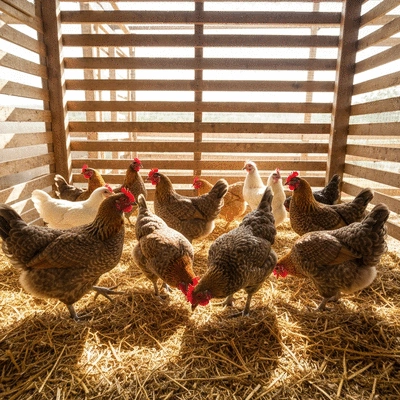
Use materials like pine shavings to soak up moisture effectively.
Regular Cleaning
Manage waste to minimize ammonia and maintain a dry environment.
Weatherproof Coop
Seal gaps and cracks to prevent rain and snow ingress.
Understanding Moisture and Dampness in Chicken Coops
Keeping your chickens happy and healthy starts with understanding the importance of moisture control in their coops. Excess moisture can lead to damp environments, which pose various risks to your flock. As a lifelong chicken keeper, I’ve seen firsthand how moisture can impact health, leading to serious issues if not managed properly.
Ensuring that your coop is dry and well-ventilated is crucial. It not only keeps your chickens comfortable but also helps prevent costly health problems down the line. I can’t stress enough the value of investing time in moisture management strategies!
The Risks of Excess Moisture in Chicken Environments
Excessive moisture in chicken coops can lead to a range of health issues. Most notably, moisture can increase the risks of frostbite during cold months and respiratory problems all year round. Chickens are particularly susceptible to respiratory infections when their environment is damp, which can affect their overall well-being.
Frostbite: Chickens can suffer from foot and comb frostbite when temperatures drop and moisture is present.
Respiratory Issues: Damp air can lead to harmful bacteria and mold, causing respiratory infections.
Lower Egg Production: Health issues related to moisture can result in reduced egg production.
Just like we wouldn’t want to live in a damp house, our chickens need a dry and cozy coop to thrive! Regular cleaning is also vital for maintaining a healthy environment, as detailed in this guide to cleaning your chicken coop.
Impact on Chicken Health: Frostbite and Respiratory Issues
Frostbite is a real concern for chickens during the winter months. If their coop is not properly maintained, moisture can freeze on their combs and wattles, leading to painful injuries. Moreover, the dampness increases the likelihood of respiratory diseases, which can have a lasting impact on your flock’s health.
It’s essential to keep an eye on the conditions inside your coop and to act promptly if you notice signs of moisture.
Consequences of Inadequate Ventilation
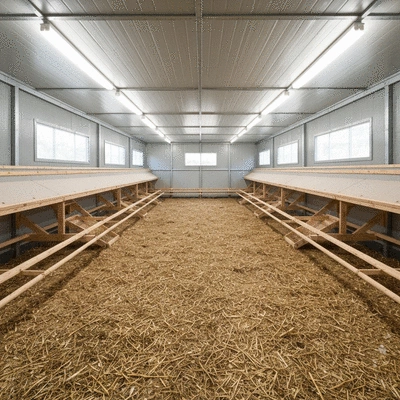
Poor ventilation is one of the main culprits behind moisture build-up. Without proper airflow, moisture can accumulate, leading to a damp environment that not only affects the chickens but also makes it difficult to maintain a clean and healthy coop. Ventilation is necessary to promote air exchange, keeping the air fresh and dry.
Investing in good ventilation systems can save you a lot of headaches in the long run. Trust me, a well-ventilated coop will make all the difference!
Mold Prevention: Protecting Your Flock's Health
One of the most critical aspects of managing moisture is preventing mold growth. Mold can thrive in damp environments, posing a significant health risk to your birds. Regularly check for signs of mold and take proactive measures to keep your coop dry.
Use moisture-absorbing materials in the bedding.
Ensure adequate ventilation to allow air circulation.
Clean the coop regularly and thoroughly to avoid mold build-up.
By preventing mold, you’re not just protecting your flock’s health; you’re also ensuring a happier, healthier coop environment!
Pro Tip
Did you know? Regularly inspecting your chicken coop for dampness not only helps maintain a healthy environment but can also save you money on veterinary bills. Make it a habit to check for moisture build-up and address any issues promptly to keep your flock thriving!
Frequently Asked Questions About Moisture Control in Chicken Coops
Excess moisture can lead to frostbite, especially on combs and wattles during cold months, and respiratory infections from damp air promoting harmful bacteria and mold. It can also result in lower egg production.
Ventilation is crucial. It promotes airflow, reduces humidity, and prevents stale, damp air, which is essential for maintaining a healthy and dry coop environment.
Moisture-absorbing bedding materials like pine shavings are highly effective in soaking up moisture and keeping the coop dry. You can find more information on bedding materials for chicken coops.
Prevent mold by using moisture-absorbing bedding, ensuring adequate ventilation for air circulation, and regularly cleaning the coop thoroughly to avoid buildup.
Key strategies include implementing effective ventilation, using moisture-absorbing bedding, regular cleaning and waste management, weatherproofing the coop, and monitoring humidity levels.
Summarizing Key Strategies for Moisture Prevention
As a backyard chicken keeper, I've learned that maintaining dry conditions in your coop is crucial for your flock's health year-round. Moisture control is not just a seasonal task; it should be a consistent part of your chicken care routine. By following a few key practices, you can ensure a safe and comfortable environment for your hens!
Here’s a quick list of essential strategies to keep in mind:
Implement effective ventilation to promote airflow and reduce humidity.
Select appropriate bedding materials that absorb moisture.
Regularly clean and manage waste to keep ammonia levels low.
Weatherproof your coop to prevent moisture ingress.
Monitor humidity levels, especially during extreme weather conditions.
By focusing on these strategies, you can significantly improve the conditions in your chicken coop and promote a happy, healthy flock!
The Importance of Maintaining Dry Conditions Year-Round
Keeping a dry environment in your coop helps prevent a range of health issues for your chickens, from respiratory problems to frostbite. Moisture can lead to an increase in harmful bacteria and mold, which can seriously impact your flock’s well-being. Regular monitoring and proactive measures are essential in keeping your coop in top shape.
Additionally, with the changing seasons in Missouri, it’s vital to adapt your moisture control strategies accordingly. For instance, in winter, focus on preventing frostbite by ensuring proper insulation and ventilation, while in summer, concentrate on cooling solutions to combat high humidity.
Recap of Essential Practices for Chicken Keepers
To sum it up, here’s a recap of the essential practices that every chicken keeper should incorporate into their routine for effective moisture prevention:
Use high-quality, moisture-absorbing bedding materials.
Ensure adequate ventilation to allow for air exchange without drafts.
Practice regular cleaning and waste management to minimize ammonia buildup.
Seal any gaps or cracks in your coop to prevent rain and snow from entering.
Employ humidity monitoring tools to stay ahead of moisture issues.
By integrating these practices into your daily chicken care, you can create a stable and healthy environment for your birds!
Coop Design Considerations for Long-Term Moisture Control
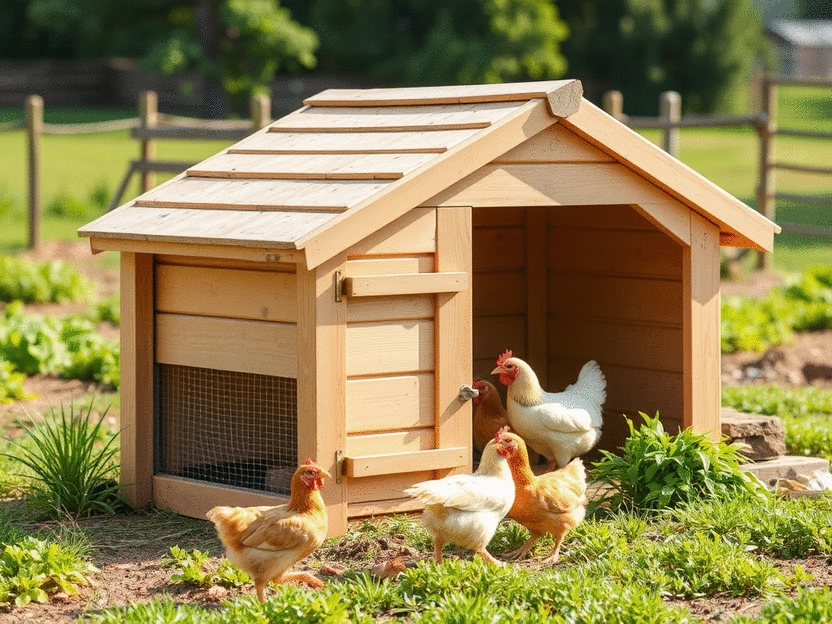
When planning your chicken coop design, consider features that promote moisture control. For instance, ensure your coop has ample ventilation points that can be adjusted based on the season. Additionally, using materials that are resistant to moisture damage will provide long-term benefits. Remember, a well-designed coop is your first line of defense against moisture! For more ideas on effective coop designs, explore these charming chicken coop ideas for flocks.
As always, I'm here to help you navigate this journey. Feel free to reach out and share your experiences or ask questions about your specific situation!
Engaging with the Community: Share Your Experiences
Encouraging Comments and Questions from Readers
I love hearing from fellow chicken enthusiasts! Your experiences and questions can inspire and help others in our community. What techniques have you found most effective for moisture control? Don’t hesitate to drop a comment below—let's learn together!
Links to Additional Resources and Related Guides
For those looking to dive deeper into moisture management, I've compiled several resources that might be helpful. Here are some links to guides and articles you might find useful:
These resources provide practical insights and tips to ensure your chickens are always safe and healthy. Feel free to explore and reach out if you have any questions along the way!
Recap of Key Points
Here is a quick recap of the important points discussed in the article:
Maintain effective ventilation in your coop to promote airflow and reduce humidity.
Choose moisture-absorbing bedding materials to help keep the environment dry.
Regularly clean the coop and manage waste to minimize ammonia levels.
Weatherproof your coop to prevent moisture ingress from rain and snow.
Monitor humidity levels, particularly during extreme weather conditions.
Harold 'Hank' Dawson
Passionate chicken keeper. Homesteading enthusiast. Advocate for sustainable living.
Harold 'Hank' Dawson is dedicated to helping U.S. backyard chicken keepers create safe and practical housing solutions, empowering beginners, homesteaders, and suburban homeowners to embrace a joyful chicken-keeping lifestyle. Join her on American Chicken Coops for reliable resources and tailored strategies that simplify your coop building and maintenance and enhance your flock's well-being.
Passionate chicken keeper. Homesteading enthusiast. Advocate for sustainable living.
Harold 'Hank' Dawson is dedicated to transforming backyards across the U.S. into thriving, safe havens for chickens, empowering fellow chicken enthusiasts to embrace a sustainable and rewarding poultry-keeping lifestyle. Join her on American Chicken Coops for daily tips and tailored strategies that simplify your coop building and maintenance and enhance the well-being of your flock.