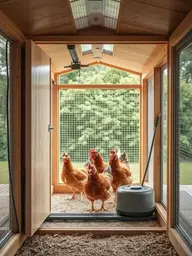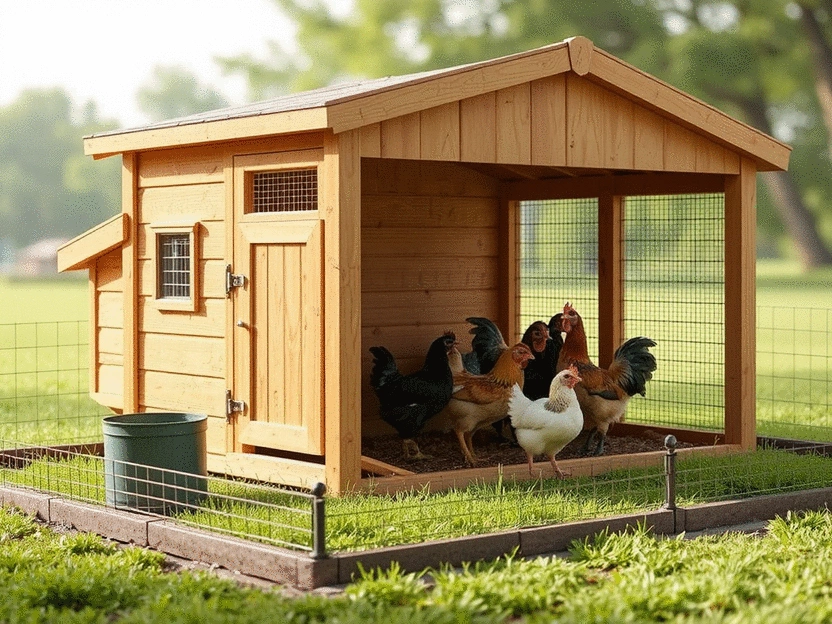
Required Space for 12 Chickens
Indoor Coop: 4 sq ft/chicken
Outdoor Run: 10 sq ft/chicken
Headroom: 3-4 feet high
Calculation: 4 sq ft × 12 chickens = 48 sq ft indoor minimum; 10 sq ft × 12 chickens = 120 sq ft outdoor minimum.
Welcome to American Chicken Coops, your trusted resource for happy, healthy backyard chickens!
Apr 25
Building a cozy and functional chicken coop isn't just a project; it's a pathway to ensuring the health and happiness of your feathered friends. With the right dimensions and features, your chickens can thrive in a safe environment. Ready to learn the essentials for creating the perfect habitat? Let's dive in!
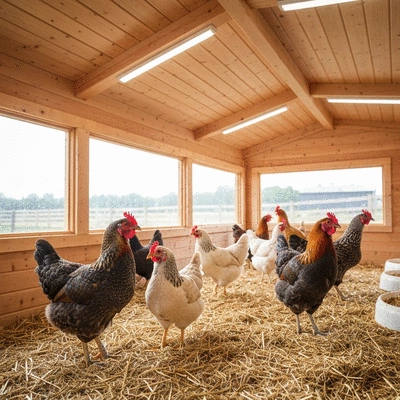
This visual guide outlines the essential space requirements and key features for designing an optimal habitat for a flock of 12 chickens. For more charming chicken coop ideas, explore our extensive collection.
Indoor Coop: 4 sq ft/chicken
Outdoor Run: 10 sq ft/chicken
Headroom: 3-4 feet high
Calculation: 4 sq ft × 12 chickens = 48 sq ft indoor minimum; 10 sq ft × 12 chickens = 120 sq ft outdoor minimum.
Creating a comfortable home for your feathered friends is essential, especially when you have a flock of 12 chickens. To ensure a happy and healthy environment, it’s important to understand both the space requirements and key features of an effective coop design. Let’s dive into how you can create the perfect habitat for your chickens!
When planning a coop for 12 chickens, the size of your space matters. A good rule of thumb is to provide at least 4 square feet per chicken inside the coop. This means you’ll need a minimum of 48 square feet of indoor space. For outdoor runs, aim for 10 square feet per chicken, totaling 120 square feet. This ensures your flock has enough room to roam, scratch, and enjoy the sunshine!
Additionally, when planning your layout, consider incorporating areas for feeding and nesting. Each nesting box should be at least 12 inches by 12 inches to accommodate your hens comfortably. By paying attention to these dimensions, you'll set the stage for a thriving chicken community!
An effective chicken coop for 12 chickens should include several essential features to keep your flock safe and happy. First and foremost, ensure proper ventilation to maintain a fresh environment. Good airflow reduces humidity and odors, making it a healthier space for your chickens. Additionally, include secure nesting boxes so your hens have a cozy place to lay their eggs. Learn more about predator-proof chicken coop ideas to enhance the safety of your flock.
Don't forget about the flooring—using materials like sand or wood shavings enhances comfort and makes cleaning easier. With these features in place, your chicken coop will not only be functional but also a lovely retreat for your chickens!
The location of your coop can significantly affect your chickens' health and productivity. Ideally, position your coop in a spot that receives morning sunlight, as this helps keep the coop warm and dry. Avoid placing it in overly shaded areas or spots prone to flooding.
A well-chosen location not only ensures your chickens are safe but also boosts egg production. Happy hens lay more eggs, and that’s a win-win for any chicken keeper!
Now that you're equipped with the knowledge of space requirements and coop features, let’s take a look at the exclusive free printable plans I’ve created specifically for 12-chicken flocks. These plans are designed with your chickens' needs in mind, ensuring they have a safe, comfortable, and functional living space.
Building your coop can be a rewarding project, and I provide clear, step-by-step instructions that make the process straightforward. Whether you're a seasoned builder or a first-time woodworker, these plans will guide you through every aspect of construction, ensuring nothing is overlooked!
To maximize comfort for your chickens, understanding the appropriate dimensions for different sections of the coop is crucial. Each area, from the nesting boxes to the run, should be tailored for optimal use. Don't hesitate to refer back to the free printable plans for precise measurements! If you're looking for different sizes, we also offer DIY chicken coop plans for 6 chickens.
To enhance your chicken coop's efficiency, consider incorporating a rainwater harvesting system. By collecting rainwater, you can provide a sustainable water source for your flock while also reducing your water bill. This eco-friendly addition not only benefits your chickens but also contributes to a greener backyard!
Each chicken needs at least 4 square feet of indoor space, so for 12 chickens, you'll need a minimum of 48 square feet.
For outdoor runs, aim for 10 square feet per chicken, which means 12 chickens will need a minimum of 120 square feet.
You should provide one nesting box for every 3-4 hens. For a flock of 12 hens, this means you'll need approximately 3-4 nesting boxes.
Proper ventilation is crucial for maintaining a fresh environment, reducing humidity, and eliminating odors, all of which contribute to a healthier space for your chickens.
Morning sunlight helps keep the coop warm and dry, which is essential for the chickens' health and can also boost egg production.
As we wrap up our journey into creating the perfect coop for your 12 chickens, it’s essential to understand that a well-designed chicken coop not only provides shelter but also contributes significantly to your flock's health and happiness. Remember, your chickens deserve a safe, comfortable, and functional space to thrive!
Throughout this guide, we've emphasized the importance of key features such as proper ventilation, secure nesting boxes, and predator-proofing. These elements are crucial in keeping your flock secure while maximizing their well-being. I truly believe a good coop is the heart of a successful chicken-keeping venture!
In summary, investing time and effort into building a thoughtful coop will reward you with happy chickens that lay delicious eggs. With these insights, you can confidently take on your coop-building project!
Are you ready to take the plunge? Download your free printable plans for a 12-chicken coop today! These plans are user-friendly and crafted to help you create a safe haven for your flock. Plus, they come packed with all the details you need to get started.
Need more help along the way? Check out our additional resources, including:
Let's turn your backyard into a thriving chicken paradise! I can’t wait to see your coop come to life. Happy building!
Here is a quick recap of the important points discussed in the article:
Passionate chicken keeper. Homesteading enthusiast. Advocate for sustainable living.
Harold 'Hank' Dawson is dedicated to helping U.S. backyard chicken keepers create safe and practical housing solutions, empowering beginners, homesteaders, and suburban homeowners to embrace a joyful chicken-keeping lifestyle. Join her on American Chicken Coops for reliable resources and tailored strategies that simplify your coop building and maintenance and enhance your flock's well-being.
Passionate chicken keeper. Homesteading enthusiast. Advocate for sustainable living.
Harold 'Hank' Dawson is dedicated to transforming backyards across the U.S. into thriving, safe havens for chickens, empowering fellow chicken enthusiasts to embrace a sustainable and rewarding poultry-keeping lifestyle. Join her on American Chicken Coops for daily tips and tailored strategies that simplify your coop building and maintenance and enhance the well-being of your flock.