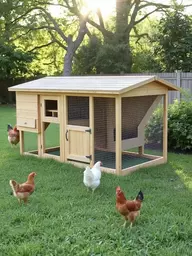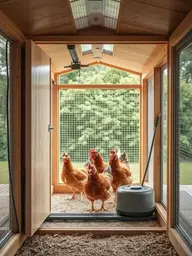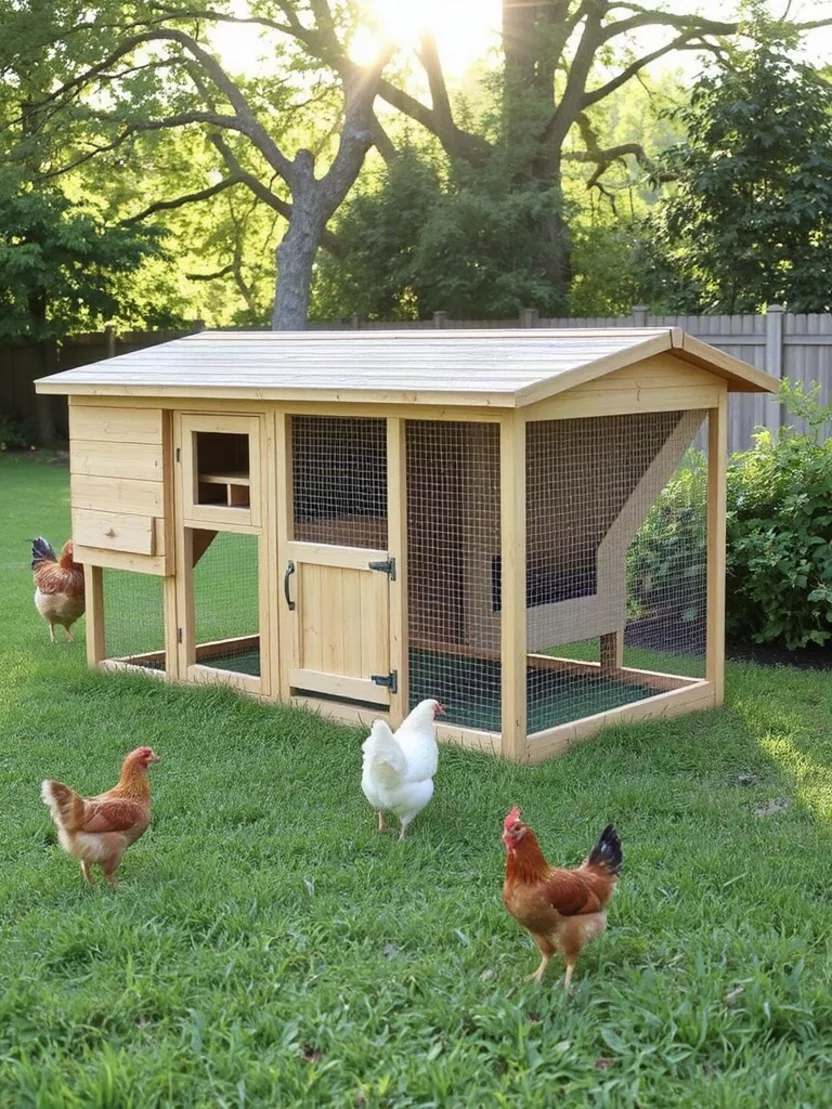

Coop Interior Space
For a happy and healthy flock, provide:
- Standard Breeds: 4-6 sq. ft. / chicken
- Heavy Breeds: 5-7 sq. ft. / chicken
- Light Breeds: 3-5 sq. ft. / chicken
General guideline: At least 4 sq. ft. per chicken.
Welcome to American Chicken Coops, your trusted resource for happy, healthy backyard chickens!
Aug 20
As you embark on the rewarding journey of building a chicken coop, have you considered how customizable plans can transform your experience? Tailoring your coop to meet the unique needs of your flock not only enhances their well-being but also adds a personal touch to your backyard.
Ensuring your chickens have adequate space is crucial for their health and happiness. Below is a quick guide to recommended space in the coop and run, along with nesting box needs. For more charming chicken coop ideas, explore various designs that can inspire your build.
For a happy and healthy flock, provide:
General guideline: At least 4 sq. ft. per chicken.
Essential for roaming and natural behaviors:
General guideline: Around 10 sq. ft. per chicken.
Provide adequate nesting spaces for hens:
Crucial for egg-laying and hen welfare.
Balance coop and run for optimal health:
A common mistake is an imbalanced ratio.
When it comes to building a chicken coop, having the right customizable plans can make all the difference! Customizable chicken coop plans allow you to create a space that suits your specific needs while ensuring a comfortable home for your chickens. With these plans, you can adjust dimensions, features, and layouts to fit your flock size and your yard's unique characteristics.
Whether you’re a seasoned backyard chicken keeper like myself or just starting out, having access to these plans can guide you through the process. It’s all about making the coop work for you and your hens, ensuring they have a safe and enjoyable environment!
Customizable chicken coop plans in PDF format are detailed blueprints that you can download, print, and modify. These plans often come with step-by-step instructions, materials lists, and schematics. The beauty of having these plans in a digital format is that you can easily access them from anywhere! If you're looking for an excellent starting point, consider these simple chicken coop plans for beginners.
By tailoring these plans to your needs, you can create a coop that not only meets your requirements but also enhances your backyard's aesthetics. Trust me; it's much more fulfilling to build a coop that feels like your own creation!
One of the biggest advantages of using customizable plans is that you can tailor your coop to the size of your flock. Different breeds and numbers of chickens require varying amounts of space. For instance, while standard breeds might need 4 square feet per bird inside the coop, larger breeds may require more. Customizing your plans ensures that your chickens have ample space to move around comfortably.
By keeping your flock size in mind during the planning stage, you’ll create a more effective and enjoyable environment for your chickens. Plus, it saves you from the hassle of having to make adjustments later!
When designing your chicken coop, there are several key elements to consider to ensure it’s both practical and comfortable for your flock. Here’s a quick list of must-have features:
Each of these elements plays a critical role in keeping your chickens happy and healthy. An effective design will not only protect them from predators but also allow you easy access for cleaning and maintenance. Remember, a well-thought-out coop is the foundation of a thriving flock!
As you plan your chicken coop, what unique features are you considering to enhance your chickens' living environment? Share your thoughts below:
When it comes to raising happy chickens, one of the most crucial decisions you'll make is figuring out the right size for your chicken coop. It’s not just about aesthetics; the size of your coop directly affects your flock's health and happiness. By considering various factors, you can ensure your chickens have a comfortable home to thrive in!
Let’s dive into what you need to consider when determining the right size for your coop. From flock size to run area, I've got you covered with some handy tips that will make the process easy!
Understanding your flock size is the first step in choosing the right coop. You’ll want to consider not only how many birds you currently have but also your long-term goals for raising chickens. Here are some factors to think about:
Once you have a good grasp of these factors, you can make an informed decision on the coop size that will accommodate your feathered friends comfortably. Trust me, a little planning goes a long way!
Chickens need space to roam, scratch, and enjoy their daily activities. A general guideline is to allow at least 4 square feet per chicken inside the coop and around 10 square feet per bird in the run. This ensures that your chickens have plenty of room to stretch their wings without feeling cramped. Here’s a quick breakdown of space requirements:
By keeping these space requirements in mind, you can create a coop that promotes good health and happiness for your flock!
Different breeds have unique space needs. For instance, larger breeds like Brahmas or Orpingtons require more room than smaller breeds like Bantams. Here are some guidelines to help you:
Tailoring your coop size to your specific breeds will keep your chickens more comfortable and reduce stress!
Many new chicken keepers fall into common sizing traps that can lead to unhappy flocks. By staying aware of these pitfalls, you can create a cozy and functional space for your chickens without hassle.
One of the most frequent mistakes is not adequately balancing coop and run space. A good rule of thumb is to ensure that your run is at least twice as large as your coop. This allows chickens enough space to engage in natural behaviors and reduces overcrowding! For more detailed guidance, check out these chicken coop plans with a run.
Another common mistake is not considering future growth. If you plan to expand your flock, make sure to build a coop that can accommodate additional chickens. It’s much easier to plan for extra space from the get-go than to retrofit an existing coop later on!
Feeling unsure about your measurements? No problem! There are plenty of coop size calculators available online that can help you determine the best dimensions based on your flock size and breed. These handy tools take the guesswork out of planning, ensuring your coop is just right!
In conclusion, choosing the right chicken coop size is all about understanding your flock's needs and planning ahead. By following these guidelines, you’ll create a cozy and spacious home for your chickens that keeps them happy and healthy. Happy coop building!
A1: Customizable plans allow you to adjust dimensions, features, and layouts to perfectly match your specific flock size and the unique characteristics of your yard. This ensures optimal comfort and safety for your chickens while also enhancing your backyard's aesthetics.
A2: A general guideline is to provide at least 4 square feet per chicken inside the coop and around 10 square feet per chicken in the outdoor run. These requirements can vary slightly based on the breed (e.g., heavy breeds need more space than light breeds).
A3: Essential elements include proper ventilation for fresh air, a secure nesting area for egg-laying, accessible roosting bars for nighttime rest, and sufficient space for chickens to move freely. These features are vital for the health and happiness of your flock.
A4: You should provide one nesting box for every 3-4 hens to ensure comfort and reduce competition for laying space.
A5: Common mistakes include not balancing the coop-to-run ratio (the run should be at least twice the size of the coop) and failing to plan for future flock growth. Utilizing online coop size calculators can help avoid these errors and ensure accurate measurements.
Here is a quick recap of the important points discussed in the article:
Passionate chicken keeper. Homesteading enthusiast. Advocate for sustainable living.
Harold 'Hank' Dawson is dedicated to helping U.S. backyard chicken keepers create safe and practical housing solutions, empowering beginners, homesteaders, and suburban homeowners to embrace a joyful chicken-keeping lifestyle. Join her on American Chicken Coops for reliable resources and tailored strategies that simplify your coop building and maintenance and enhance your flock's well-being.
Passionate chicken keeper. Homesteading enthusiast. Advocate for sustainable living.
Harold 'Hank' Dawson is dedicated to transforming backyards across the U.S. into thriving, safe havens for chickens, empowering fellow chicken enthusiasts to embrace a sustainable and rewarding poultry-keeping lifestyle. Join her on American Chicken Coops for daily tips and tailored strategies that simplify your coop building and maintenance and enhance the well-being of your flock.