Coop Size
(10x12)
8-12 Hens
Optimal Space & Manageability
- Nesting boxes & perches
- Room for small run
- Easy to clean & maintain
Welcome to American Chicken Coops, your trusted resource for happy, healthy backyard chickens!
Mar 12
Ready to take your backyard chicken keeping to the next level? Understanding the essentials of creating a predator-proof chicken coop can transform your flock's safety and happiness. Here’s what you’ll discover!
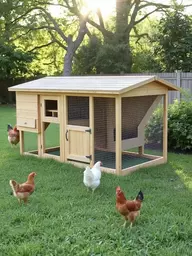
Ensuring the safety and comfort of your flock involves careful planning across several key areas. Below is a visual breakdown of critical factors for building an optimal chicken coop. If you're looking for inspiration, explore some charming chicken coop ideas for flocks that blend functionality with aesthetic appeal.
8-12 Hens
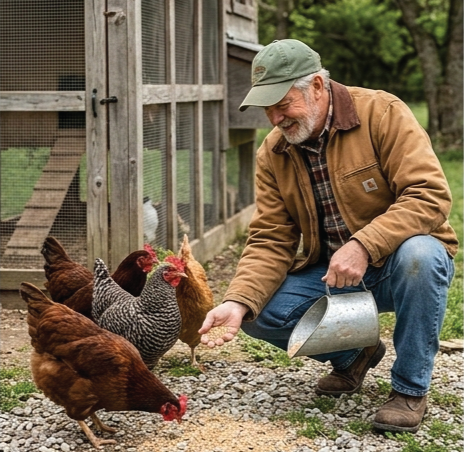
As a lifelong chicken keeper, I can tell you that one of the most critical steps in raising a healthy flock is ensuring they are safe from predators. A predator-proof chicken coop not only protects your birds but also gives you peace of mind, allowing you to enjoy your backyard sanctuary without worry!
Being raised on a Midwestern farm, I learned firsthand just how clever these predators can be. That’s why it’s essential to invest time and resources into creating a secure environment for your chickens right from the start.
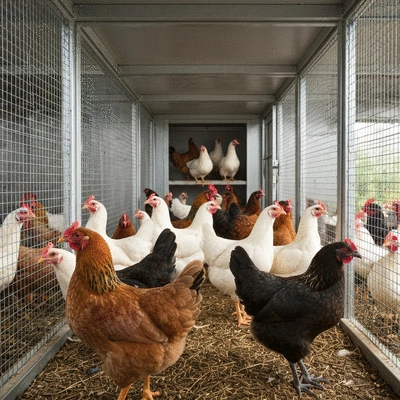
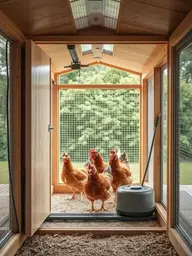
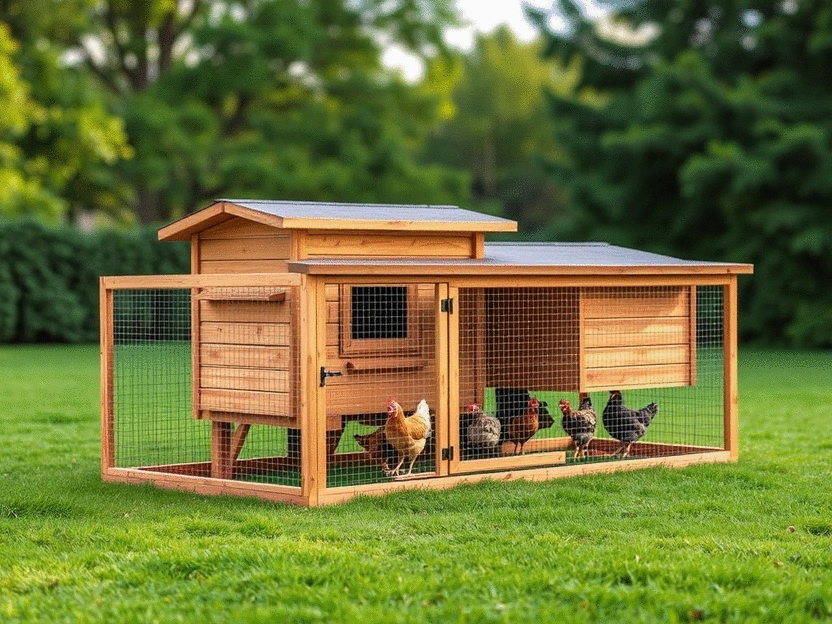
A 10x12 chicken coop strikes the perfect balance between spaciousness and manageability. This size allows for a decent number of chickens—typically accommodating about 8 to 12 hens—while still being compact enough to fit comfortably in most backyards.
With a coop of this size, your chickens will have enough room to roam and stay active, which is vital for their health and egg production. Plus, you can easily add features like a feeder and waterer without feeling cramped! For more details on maintaining a healthy environment, check out our guide on cleaning your chicken coop.
When it comes to keeping your flock safe, knowing your enemies is half the battle! Common predators include:
Understanding these threats will help you tailor your coop designs to protect your chickens effectively. Remember, a predator-proof coop isn’t just a luxury; it’s a necessity!
To keep your flock safe, consider implementing these effective predator control methods:
By employing these strategies, you'll create a safer environment for your chickens. Trust me, it’s worth investing in these preventive measures to ensure your feathered friends stay healthy and happy!
When building your chicken coop, consider adding a predator-proof run that allows your chickens to safely enjoy the outdoors. This adds an extra layer of protection and provides your hens with essential sunlight and fresh air!
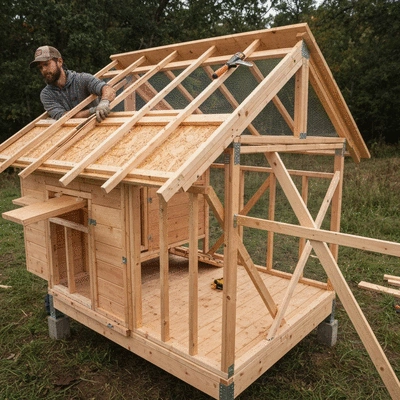
Building a chicken coop is a rewarding project that can greatly enhance the well-being of your flock. As you embark on this journey, it's essential to keep your chickens' safety and comfort at the forefront of your design and construction choices. After all, happy chickens lead to healthy eggs and a thriving backyard experience!
From selecting the right materials to incorporating effective design features, every aspect of your coop contributes to creating a secure and inviting home for your birds. Remember, investing time and effort into these elements pays off in the long run.
When designing your coop, focus on features that will keep your chickens protected and comfortable. Here are some key considerations to keep in mind:
By addressing these aspects, you'll create a safe haven where your chickens can thrive. The right environment not only ensures their safety but also enhances their overall well-being.
Before diving into your coop project, it’s essential to set realistic expectations about the time and effort required. Building a sturdy and practical chicken coop can be labor-intensive and may take longer than initially anticipated. Here's what to consider:
By understanding these factors, you’ll be better prepared for the journey ahead. Building your coop can be a fun and fulfilling experience, as long as you approach it with the right mindset! For those interested in smaller-scale projects, consider exploring DIY chicken coop plans for 6 hens.
As a responsible chicken keeper, it’s vital to prioritize the health of your flock. Implementing effective biosecurity measures can help prevent the spread of diseases. Here are some practical tips:
These biosecurity practices ensure your chickens remain healthy and productive. At American Chicken Coops, we believe that a well-cared-for flock is a happy flock!
A: A predator-proof chicken coop is crucial for the safety and well-being of your flock, protecting them from common predators like raccoons, foxes, hawks, and snakes. It also provides peace of mind for chicken keepers.
A: A 10x12 chicken coop is considered ideal, balancing spaciousness and manageability. It can typically accommodate 8 to 12 hens comfortably, providing ample space for nesting boxes, perches, and a small run.
A: Common predators include raccoons (known for their dexterity), foxes (quick and cunning), hawks (aerial threats), and snakes (which can consume eggs or small chicks).
A: Effective methods include installing sturdy locks, burying wire mesh around the perimeter, using motion-activated lights, and keeping the coop area clean to deter rodents that might attract predators.
A: Key biosecurity measures include limiting access to the coop, regular cleaning and disinfection, monitoring your flock's health, and quarantining new birds for a few weeks before introducing them to the main flock.
Now that you have a solid understanding of what it takes to build a predator-proof chicken coop, are you ready to take the plunge? Download your free coop plans and start your DIY project today!
Let’s get building! With the right resources and a bit of determination, you can create a safe and welcoming home for your backyard chickens. Don't hesitate to reach out if you have any questions along the way!
We’d love to hear from you! Join the American Chicken Coops community, share your progress, and connect with fellow chicken enthusiasts. Your experience can inspire others, and together, we can build a supportive network that celebrates the joys of backyard chicken keeping!
Here is a quick recap of the important points discussed in the article:
Passionate chicken keeper. Homesteading enthusiast. Advocate for sustainable living.
Harold 'Hank' Dawson is dedicated to helping U.S. backyard chicken keepers create safe and practical housing solutions, empowering beginners, homesteaders, and suburban homeowners to embrace a joyful chicken-keeping lifestyle. Join her on American Chicken Coops for reliable resources and tailored strategies that simplify your coop building and maintenance and enhance your flock's well-being.
Passionate chicken keeper. Homesteading enthusiast. Advocate for sustainable living.
Harold 'Hank' Dawson is dedicated to transforming backyards across the U.S. into thriving, safe havens for chickens, empowering fellow chicken enthusiasts to embrace a sustainable and rewarding poultry-keeping lifestyle. Join her on American Chicken Coops for daily tips and tailored strategies that simplify your coop building and maintenance and enhance the well-being of your flock.