Daily Tasks
- Remove droppings
- Check general coop state
Welcome to American Chicken Coops, your trusted resource for happy, healthy backyard chickens!
Mar 06
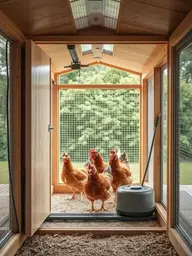
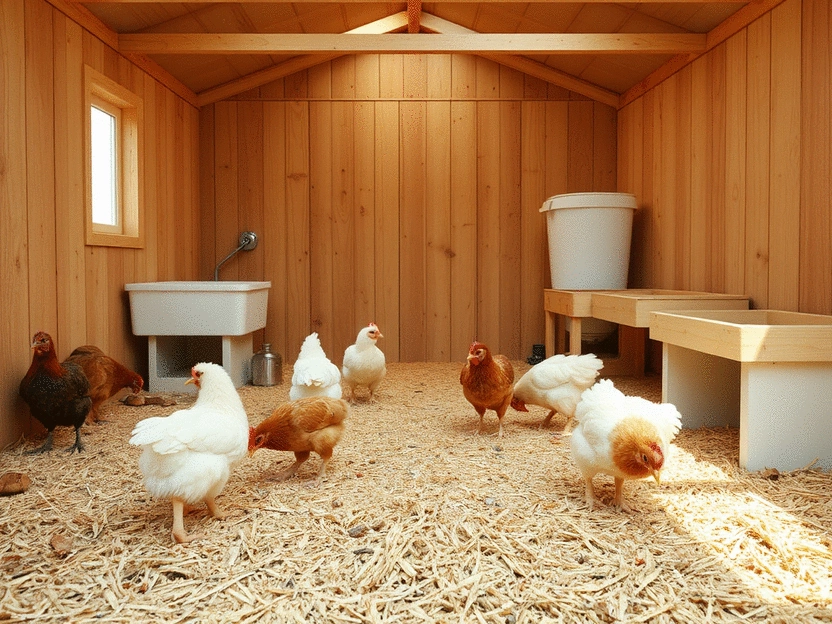
Did you know that a clean chicken coop not only keeps your flock happy but also boosts their productivity? Maintaining a tidy environment is essential for the health of your birds, and here’s what you need to know to keep them thriving!
A consistent cleaning routine is vital for your flock's well-being and productivity. Here’s a structured approach to keep your coop in top shape.
Maintaining a clean chicken coop is essential for the health and productivity of your feathered friends. As someone who has navigated the ins and outs of chicken keeping, I can tell you that a dirty coop can lead to health issues for your flock. Regular maintenance helps prevent diseases, fosters a comfortable living space, and ultimately keeps your chickens happy and productive! According to the CDC, maintaining a clean environment is crucial for preventing the spread of diseases from poultry to humans.
So, what does a clean chicken coop entail? It's about more than just picking up droppings. It involves an understanding of how cleanliness directly impacts your chickens' well-being. Think of it as an investment in your flock’s health and your own peace of mind!
Just like any pet, chickens thrive in a clean environment. When their living space is tidy, you’ll notice behaviors that indicate a happy flock. Chickens are social creatures, and a clean coop supports their natural instincts to roam, scratch, and forage. Plus, it improves their overall productivity.
If you want your chickens to lay delicious, nutritious eggs, keeping their coop clean is a no-brainer! I remember the first time I noticed a dip in egg production—it turned out my coop needed some serious attention. A quick clean-up brought my hens back to their productive selves!
Even with the best intentions, coop maintenance can present various challenges. Many chicken keepers, myself included, have faced issues like stubborn stains, lingering odors, and pesky pests. The key is to understand these challenges and tackle them head-on.
Don't let these hurdles deter you! With a little planning and the right tools, you’ll have your coop clean and your chickens thriving in no time. I’ve learned to adapt my cleaning routine based on the weather and my flock's needs—trust me, it pays off!
Biosecurity is a crucial aspect of chicken care that often gets overlooked. By maintaining a clean coop, you're not just ensuring a comfortable environment for your chickens; you're also protecting them from potential health threats. Keeping your coop clean and secure can significantly reduce the risk of disease outbreaks, as detailed in this USDA biosecurity workbook.
Implementing these biosecurity measures can prevent diseases from spreading among your flock. I remember when I introduced a new hen without proper precautions; it led to a few stressful weeks of dealing with an illness that could have been avoided!
Regular cleaning of your chicken coop can increase egg production by up to 20%! Keeping the living area fresh not only promotes health but also motivates your hens to lay more eggs. Don’t underestimate the power of cleanliness in your coop!
As we wrap up our discussion on chicken coop cleaning, it's crucial to remember that a consistent cleaning routine not only maintains a healthy environment for your chickens but also enhances their productivity and well-being! Regular upkeep is key to keeping your flock happy and thriving.
Here are some main takeaways for developing an effective cleaning schedule:
By following these steps, you’ll create a robust cleaning regimen that supports a healthy coop environment. Remember, a clean coop is a happy coop!
Creating a cleaning schedule may seem daunting, but it can be broken down into manageable parts. Here’s a simple guide to help you stay organized:
With a structured approach, you can ensure that your chicken coop remains a safe haven for your birds!
Once you’ve established your routine, consider taking additional steps to enhance coop cleanliness. Here are some ideas I've found helpful:
These practices will not only improve your chickens' health but also make your chores easier and more efficient!
Here is a quick recap of the important points discussed in the article:
Passionate chicken keeper. Homesteading enthusiast. Advocate for sustainable living.
Harold 'Hank' Dawson is dedicated to helping U.S. backyard chicken keepers create safe and practical housing solutions, empowering beginners, homesteaders, and suburban homeowners to embrace a joyful chicken-keeping lifestyle. Join her on American Chicken Coops for reliable resources and tailored strategies that simplify your coop building and maintenance and enhance your flock's well-being.
Passionate chicken keeper. Homesteading enthusiast. Advocate for sustainable living.
Harold 'Hank' Dawson is dedicated to transforming backyards across the U.S. into thriving, safe havens for chickens, empowering fellow chicken enthusiasts to embrace a sustainable and rewarding poultry-keeping lifestyle. Join her on American Chicken Coops for daily tips and tailored strategies that simplify your coop building and maintenance and enhance the well-being of your flock.