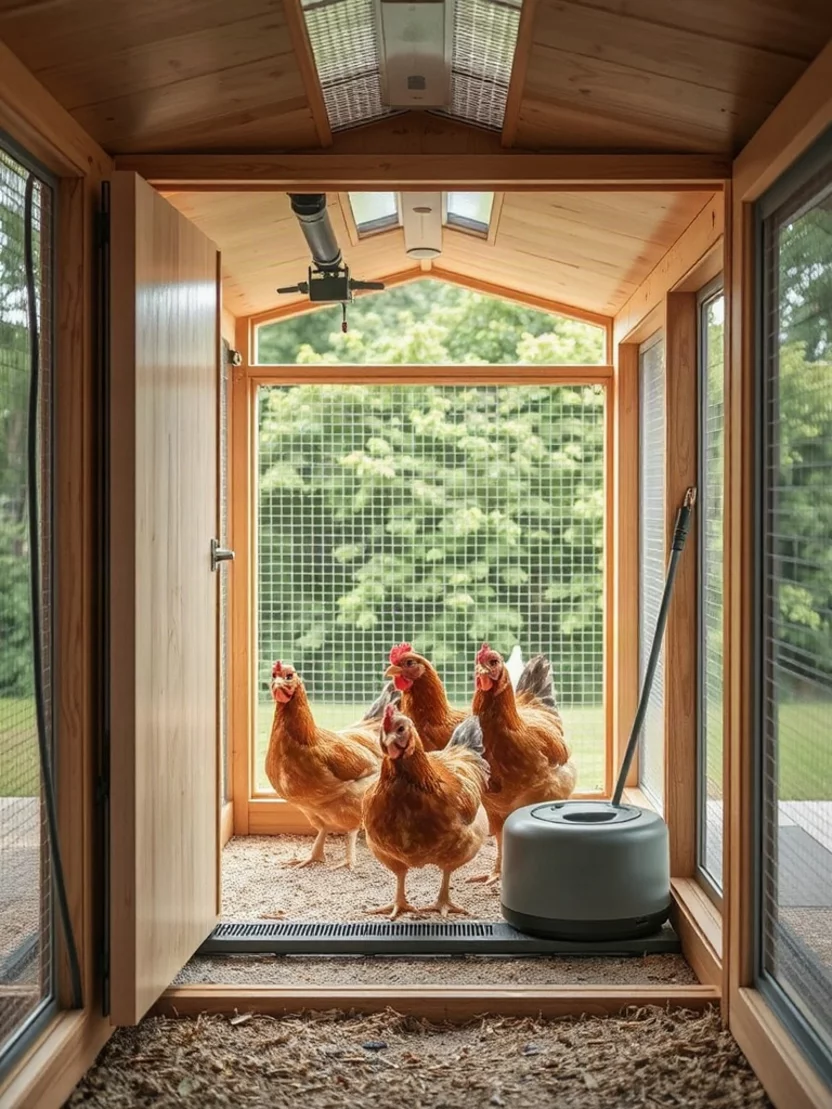
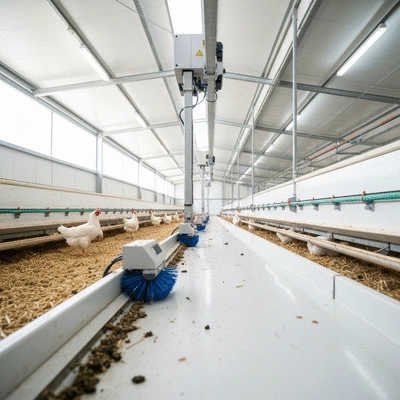
Time-Saving Efficiency
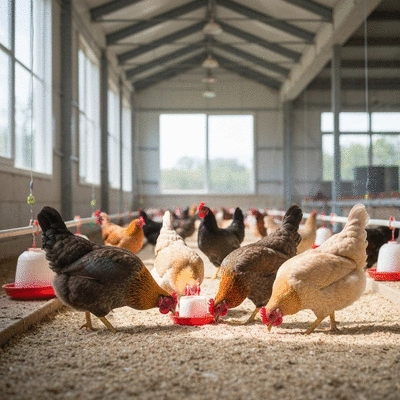
Automated systems significantly reduce manual cleaning time, with studies showing potential reductions of over 50% for tasks like waste removal. This allows keepers more time to enjoy their flock.
Welcome to American Chicken Coops, your trusted resource for happy, healthy backyard chickens!
Aug 15
Curious about how to keep your chicken coop clean without all the hassle? Automated chicken coop cleaning systems are transforming the way backyard chicken keepers maintain their flocks—saving time, reducing labor, and ensuring a healthier environment for your birds. Here's what you'll learn!
Automated systems streamline coop maintenance, offering significant advantages in time, hygiene, and labor. Below, we highlight the key benefits and how they contribute to a healthier, more efficient chicken-keeping experience. If you're looking for more guidance on general coop upkeep, check out our guide to cleaning your chicken coop.
Automated systems significantly reduce manual cleaning time, with studies showing potential reductions of over 50% for tasks like waste removal. This allows keepers more time to enjoy their flock.
Consistent, automated cleaning minimizes ammonia buildup and pathogen spread, leading to a healthier environment and reduced risk of disease for the flock.
Automation eliminates the physical strain of constant scooping and scrubbing, making chicken keeping less strenuous and more enjoyable for all.
Systems can integrate with composting setups, turning waste into valuable fertilizer and contributing to a more sustainable and eco-friendly coop operation.
As a backyard chicken keeper, I know how crucial it is to maintain a clean and healthy environment for our feathered friends. Automated chicken coop cleaning systems are designed to simplify this task, providing a more efficient way to manage coop hygiene. These systems can save time and reduce labor while ensuring that your chickens have a safe and sanitary living space.
Imagine walking into your coop without the usual smell of ammonia or messy litter—sounds great, right? Automated systems can help achieve that by taking care of the dirty work, allowing you to focus on enjoying your time with your flock.
Automated chicken coop cleaning systems utilize technology to maintain cleanliness in poultry houses. These systems can include various components such as robotic cleaners, conveyor belts, and IoT devices that work together to keep the coop tidy. They can be tailored to suit different coop sizes and flock needs, making them a flexible option for chicken keepers. For those just starting, understanding a beginner's guide to chicken coops can provide a solid foundation.
By embracing these technologies, you can ensure that your chickens enjoy a hygienic and comfortable home without breaking a sweat!
Implementing automated cleaning systems comes with numerous benefits that can enhance your chicken-keeping experience. Here are a few reasons why you might want to consider upgrading your cleaning routine:
With these advantages, it’s easy to see why automated systems are gaining popularity among chicken keepers. Plus, who doesn't want more time to relax and enjoy their backyard flock?
When looking into automated cleaning systems, it's essential to understand the key components that make these systems effective. Here are some primary features you should consider:
Choosing the right components can help you create a customized solution that meets your coop's specific needs while promoting a healthier environment for your chickens.
To maximize the effectiveness of your automated cleaning system, consider implementing a regular maintenance schedule. Just like your chickens need care, your equipment will benefit from periodic checks to ensure everything is functioning correctly. This proactive approach not only extends the lifespan of your system but also helps maintain a consistently clean environment for your flock!
At American Chicken Coops, I’m all about making chicken keeping easier and more enjoyable. One of the best ways to achieve this is by incorporating automated systems into your coop maintenance routine. These systems can save you time and effort, allowing you to focus more on your feathered friends!
Let’s dive into some real-world applications of these automated cleaning solutions and see how they’ve made a significant difference for chicken keepers like you and me.
Many backyard chicken keepers have successfully integrated automated cleaning systems into their coops. Here are a few inspiring success stories:
These real-world applications show the potential of automation in making chicken keeping more enjoyable and efficient. By streamlining your maintenance routine, you can enjoy a cleaner coop and a happier flock!
Proper waste management is crucial for the health of your chickens and the cleanliness of your coop. Here are some effective strategies to incorporate into your automated cleaning system:
With these strategies in place, you’ll not only improve the cleanliness of your coop but also contribute to a more sustainable setup that benefits you and your chickens!
Choosing the right automated cleaning system can seem overwhelming, but I’m here to help you sort through the options! Let’s take a closer look at some common questions you might have.
As a chicken keeper, you might have many questions about these systems. Here are some frequently asked questions that I've encountered:
Finding the right tools can be easy with the right resources. Here are some places to start your search:
Implementing biosecurity measures is vital in maintaining a healthy chicken flock, especially when using automation. Here are a few key practices to consider:
By integrating these biosecurity measures with your automated cleaning systems, you can keep your chickens happy and healthy, paving the way for productive egg-laying seasons!
Here is a quick recap of the important points discussed in the article:
Final content section.
Passionate chicken keeper. Homesteading enthusiast. Advocate for sustainable living.
Harold 'Hank' Dawson is dedicated to helping U.S. backyard chicken keepers create safe and practical housing solutions, empowering beginners, homesteaders, and suburban homeowners to embrace a joyful chicken-keeping lifestyle. Join her on American Chicken Coops for reliable resources and tailored strategies that simplify your coop building and maintenance and enhance your flock's well-being.
Passionate chicken keeper. Homesteading enthusiast. Advocate for sustainable living.
Harold 'Hank' Dawson is dedicated to transforming backyards across the U.S. into thriving, safe havens for chickens, empowering fellow chicken enthusiasts to embrace a sustainable and rewarding poultry-keeping lifestyle. Join her on American Chicken Coops for daily tips and tailored strategies that simplify your coop building and maintenance and enhance the well-being of your flock.