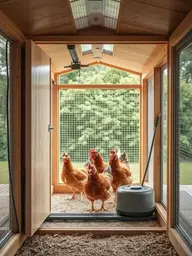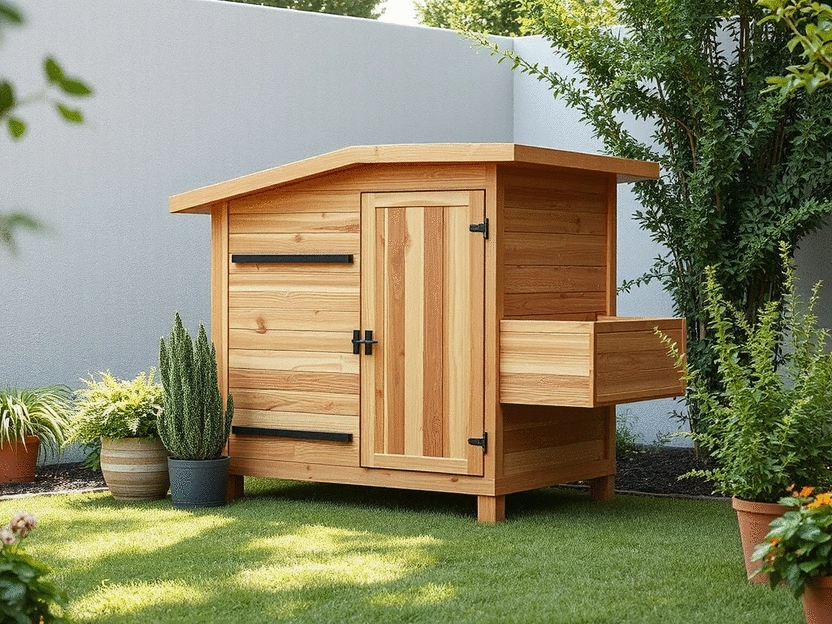
Urban & Suburban Predator Threats
Even in populated areas, several animals pose a significant risk to your flock:
- Raccoons
- Foxes
- Hawks
- Neighborhood Dogs
Welcome to American Chicken Coops, your trusted resource for happy, healthy backyard chickens!
Mar 18
Have you ever considered how urban wildlife can impact your backyard chickens? Understanding the threats they pose is essential to safeguarding your flock. Let’s explore the vital elements of constructing a predator-proof chicken coop that ensures your chickens remain happy and safe!
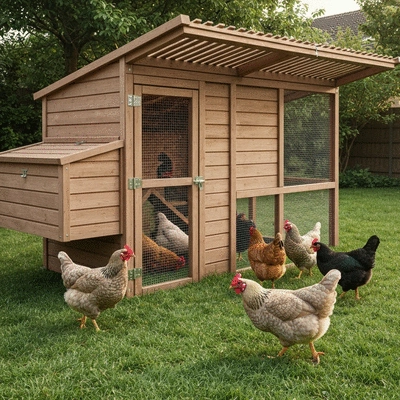
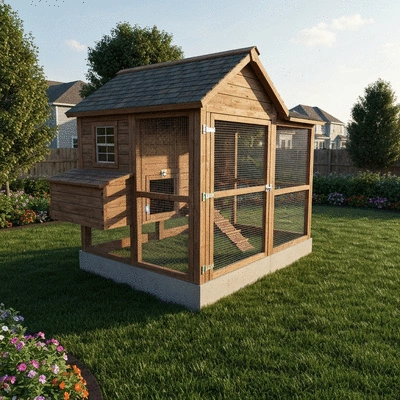
Protecting your flock from cunning urban and suburban predators requires careful planning and the right strategies. Here's a visual summary of the essential factors for designing a secure chicken coop. For those just starting out, a beginner's guide to chicken coops can provide a solid foundation.
Even in populated areas, several animals pose a significant risk to your flock:
As a backyard chicken keeper, one of the most important aspects of ensuring your chickens thrive is having a predator-proof coop. In urban and suburban settings, predators can be cunning and relentless, and protecting your feathered friends from them is essential. Building a safe and secure chicken coop is not just about providing shelter; it's about creating a sanctuary where your chickens can feel safe and happy.
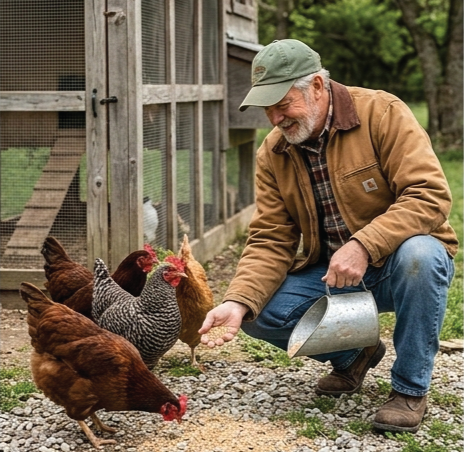
Throughout my 35 years of experience, I've seen firsthand the heartbreak that can come from a predator attack. That's why I've dedicated my efforts at American Chicken Coops to help you design a coop that stands strong against intruders. So let’s dive into the why and how of predator protection!
Living in a city or suburb doesn't mean you're safe from wildlife. In fact, many urban areas have a surprising number of predators that can threaten your flock. Here are some common culprits:
Understanding these threats is crucial. Not only do they pose a risk to your chickens, but they can also lead to stress for you as a keeper. By ensuring your coop is predator-proof, you can have peace of mind knowing your flock is safe while you enjoy the rewarding experience of chicken keeping! Learning about cleaning your chicken coop regularly is also vital for their well-being.
Designing a chicken coop in an urban or suburban environment often means dealing with limited space. But with the right approach, you can still create a secure home for your chickens! Here are some key factors to consider:
Taking these factors into account will help you build a coop that fits well in your space while providing the maximum protection for your flock.
While safety is paramount, don’t forget about your chickens' health! Proper ventilation is essential in your coop design to keep your birds comfortable and healthy. Good airflow helps prevent ammonia buildup and keeps the coop dry, which is critical for your chickens’ wellbeing.
Here are some ventilation tips to consider:
By integrating these ventilation strategies, you're not only enhancing safety but also promoting a healthy environment for your chickens to thrive!
As you consider building your own predator-proof chicken coop, we’d love to hear from you! What’s the most important feature you believe every coop should have? Share your thoughts below:
Even in urban and suburban environments, common predators include raccoons, foxes, hawks, and neighborhood dogs. It's crucial to design your coop to protect against these animals.
Hardware cloth is much stronger and more difficult for predators to chew through or break than chicken wire. Its smaller mesh size also prevents smaller predators from squeezing through, offering superior protection.
Proper ventilation can be achieved by installing windows that open and close, using vents placed high in the coop to allow warm air to escape, and considering cross-ventilation for optimal airflow, especially in warmer months. This prevents ammonia buildup and keeps the coop dry.
In limited spaces, focus on utilizing vertical space for roosting, implementing sturdy latches and locks on all access points, and investing in strong, durable materials for the coop's construction to withstand predator attempts.
Local zoning laws are critical as they dictate what is permissible in your area regarding backyard chickens, including coop size, placement, and flock limits. Always check with your local ordinances to ensure compliance and avoid potential issues.
When it comes to building a predator-proof chicken coop, there are a few essential considerations that every urban or suburban chicken keeper should keep in mind. Knowing what to prioritize can make a significant difference in the safety and well-being of your flock. Here’s a handy list to recap what you need to focus on:
By keeping these factors in mind, you can create a safe and comfortable environment for your feathered friends! Trust me, a well-built coop will not only protect your chickens but also give you peace of mind.
As you embark on your journey to build a chicken coop, it's vital to consider the specific challenges that urban and suburban settings present. Limited space, local regulations, and neighborhood dynamics can all play a role in your coop design. Here are some key factors to consider:
By addressing these considerations, you’ll set yourself up for success and create a thriving environment for your chickens. Remember, it’s all about blending safety, functionality, and a little creativity!
Now that you're well-versed in the essentials of building a predator-proof chicken coop, it's time to take action! Here are some next steps to help you plan your DIY chicken coop project effectively.
Don’t go it alone! The backyard chicken keeping community is vast and supportive. I recommend checking out forums, social media groups, and websites like American Chicken Coops for tips and advice from fellow chicken lovers. You can share ideas, ask questions, and even find local resources!
To make your planning even easier, consider downloading guides and calculators that can aid in your design process. These tools can assist you in:
These resources can save you time and help ensure your coop meets all your needs!
Finally, take a look at coop plans specifically designed for urban and suburban settings. Many of these blueprints consider space limitations while still incorporating essential features for safety and comfort. You might find innovative designs that inspire you to customize your coop uniquely. At American Chicken Coops, we offer a variety of plans that cater to different needs and preferences! Explore various DIY chicken coop plans for 6 chickens to get started.
Here is a quick recap of the important points discussed in the article:
Passionate chicken keeper. Homesteading enthusiast. Advocate for sustainable living.
Harold 'Hank' Dawson is dedicated to helping U.S. backyard chicken keepers create safe and practical housing solutions, empowering beginners, homesteaders, and suburban homeowners to embrace a joyful chicken-keeping lifestyle. Join her on American Chicken Coops for reliable resources and tailored strategies that simplify your coop building and maintenance and enhance your flock's well-being.
Passionate chicken keeper. Homesteading enthusiast. Advocate for sustainable living.
Harold 'Hank' Dawson is dedicated to transforming backyards across the U.S. into thriving, safe havens for chickens, empowering fellow chicken enthusiasts to embrace a sustainable and rewarding poultry-keeping lifestyle. Join her on American Chicken Coops for daily tips and tailored strategies that simplify your coop building and maintenance and enhance the well-being of your flock.