Mar 06
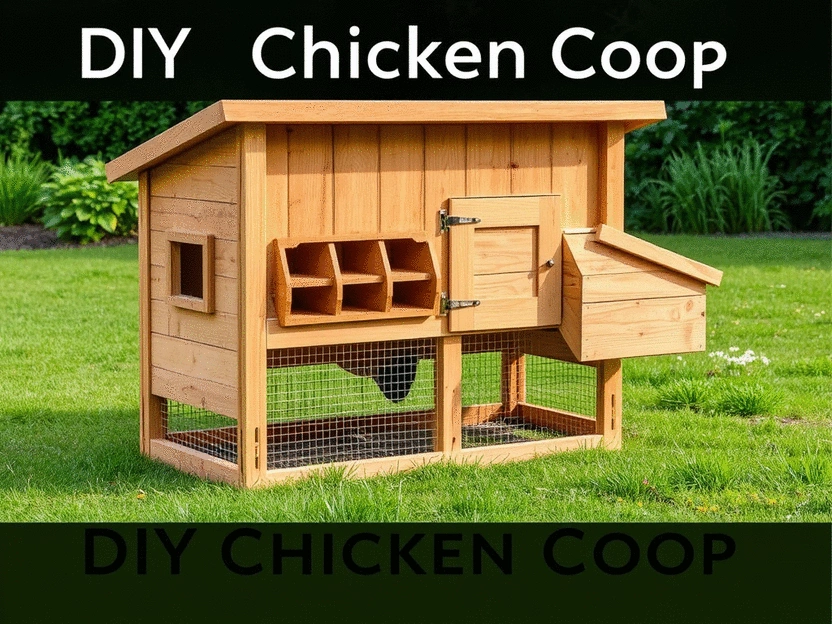
DIY Chicken Coop Plans for 6
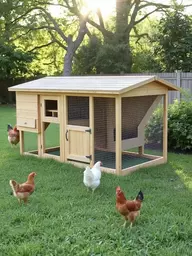
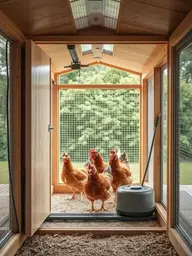
Did you know that a well-designed chicken coop can significantly enhance the health and happiness of your flock? Building a cozy haven for your hens not only provides fresh eggs but also creates a fulfilling experience for you as a chicken keeper. Here’s what you’ll learn about creating the perfect chicken coop for your backyard!
What You Will Learn
- Understanding the essential features of a chicken coop, including space, ventilation, and predator-proofing.
- Key considerations before starting your coop, such as local regulations and space requirements for 6 hens.
- Different effective chicken coop designs tailored for various backyard setups.
- Common challenges faced during the building process and practical troubleshooting tips to overcome them.
- Resources for finding free DIY chicken coop plans and engaging with the chicken-keeping community for ongoing support.
Key Considerations for a 6-Hen Chicken Coop
Planning for your chicken coop involves several crucial factors to ensure your flock's safety and comfort, alongside practical considerations for yourself.
Space Requirements: Inside vs. Outside
per bird inside the coop
per bird outdoor run space
Key Coop Features for 6 Hens
- ✓ Ample space for movement
- ✓ Easy access for cleaning & eggs
- ✓ Proper ventilation options
Coop Design Types
- ● Traditional A-frame (compact)
- ● Walk-in coops (easy access)
- ● Mobile coops (rotation/grazing)
Common Challenges & Solutions
- ⚠ Incorrect measurements: Double-check before cutting.
- ⚠ Pest intrusions: Secure openings, sturdy latches.
- ⚠ Weak foundation: Reinforce with posts or blocks.
Understanding the Basics of DIY Chicken Coop Plans for 6 Hens
Building a chicken coop is one of the most rewarding projects for any backyard chicken keeper! Not only does it provide a safe haven for your feathered friends, but it also enhances your overall chicken-keeping experience. By raising backyard chickens, you get fresh eggs, natural pest control, and the joy of interacting with these delightful creatures. For a flock of 6 hens, a properly designed coop is essential to ensure they are comfortable, secure, and happy.
When constructing your coop, prioritize their safety and comfort. A well-designed coop will include adequate space, protection from predators, and proper ventilation. This not only helps keep your hens healthy but will also make your journey as a chicken keeper much more enjoyable!
The Necessity of Building a Chicken Coop
Let’s dive into why having a suitable chicken coop is crucial for your flock. First and foremost, a good coop provides shelter from harsh weather conditions like rain, snow, and extreme heat. Without a safe and comfortable environment, your hens can become stressed, which can affect their health and egg production.
- Protection from predators such as raccoons, foxes, and hawks. The USDA National Agricultural Library provides historical insights into poultry housing, highlighting the long-standing importance of secure coops.
- A sheltered area for nesting and laying eggs.
- A safe environment for roosting and resting at night.
Additionally, a well-constructed coop will also allow for easy access for maintenance and cleaning, which is key to keeping your hens healthy! Remember, a happy chicken is a productive chicken!
What to Consider Before You Start Your Coop Project
Before jumping into building your chicken coop, it's important to consider several factors that could impact your project. First, think about the space requirements for 6 hens. Generally, you’ll want at least 4 square feet per bird inside the coop and 10 square feet of outdoor run space.
- Check local regulations regarding backyard chickens.
- Assess your available space and sunlight exposure.
- Gather essential materials, like lumber, hardware cloth, and roofing materials.
By taking these considerations into account, you’ll set yourself up for success and create a coop that meets both your needs and those of your hens!
Selecting the Right Free DIY Chicken Coop Plans
Features of Effective Chicken Coop Plans
When looking for the best DIY chicken coop plans for your 6 hens, it’s essential to choose designs that include specific features. Here are some key aspects that make a plan suitable:
- Ample space for the hens to move around comfortably.
- Easy access for cleaning and egg collection.
- Ventilation options to control temperature and airflow.
These features will not only ensure your chickens have a happy and healthy living environment but will also make your life easier when it comes to maintaining the coop!
Types of Chicken Coop Designs for Your Backyard
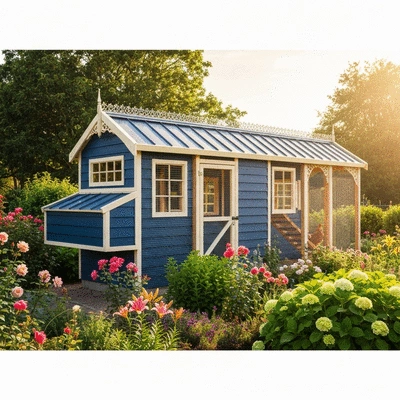
There are various chicken coop designs to choose from, each with its own set of benefits. Understanding these can help you pick the right one for your backyard setup. Here are a few popular options:
- Traditional A-frame coops: Great for compact spaces.
- Walk-in coops: Ideal for easy access and maintenance.
- Mobile coops: Allows for rotation and fresh grazing.
By selecting the right design, you can create a functional and aesthetically pleasing coop that fits seamlessly into your backyard!
Free Resources for Chicken Coop Plans
When it comes to finding suitable plans, there are numerous reputable resources available. Here are some to get you started:
- American Chicken Coops: A dedicated site with a wealth of information.
- Backyard Chickens: A community forum with shared plans and tips.
- Local extension services: Often offer free or low-cost resources. For example, Virginia Cooperative Extension offers practical guides on small flock poultry housing, which can be invaluable for DIY builders.
Utilizing these free resources can provide you with the guidance you need to embark on your chicken coop building journey with confidence!
Interactive Poll: Your Chicken Coop Journey!
We'd love to hear from you! What aspect of building your chicken coop are you most excited about?
Reflecting on Your Chicken Coop Building Journey
Common Challenges and Troubleshooting Tips
Building your chicken coop can be a rewarding experience, but it's not without its challenges! I've had my fair share of hiccups along the way, and I want to help you avoid some common pitfalls. Here are a few issues you might encounter during construction and how to tackle them:
- Incorrect Measurements: Always double-check your measurements before cutting materials. It's far easier to fix a mistake before you start assembling!
- Insufficient Ventilation: Make sure to plan for adequate airflow to keep your hens comfortable. If you notice condensation inside the coop, consider adding more ventilation holes.
- Weak Foundation: A solid base is crucial. If your coop feels unstable, reinforce the foundation with additional posts or concrete blocks.
- Pest Intrusions: Ensure all openings are well-secured! I once overlooked a small gap, and a raccoon decided to visit. Reinforce weak spots and use sturdy latches.
By being proactive and prepared, you can navigate these challenges with ease! Remember, patience and a bit of creativity go a long way during the building process.

Evaluating the Success of Your Coop
Once your coop is complete, the next step is to evaluate its functionality. Take a moment to assess how well your coop meets the needs of your six hens. Here are a few key points to consider:
- Space and Layout: Is there enough room for your hens to move around comfortably? They should have space to roam and a designated area for nesting.
- Access and Maintenance: Check if you can easily access the coop for cleaning and feeding. A well-designed coop will make maintenance a breeze!
- Chicken Behavior: Observe your hens' behavior. Do they seem happy and relaxed? Signs of stress can indicate that adjustments might be necessary.
Evaluating your coop not only ensures a safe environment for your chickens but also enhances your overall experience as a chicken keeper. It’s all about finding that balance between functionality and comfort!
Engaging with the Chicken Raising Community
Sharing Your Coop Experience and Plans
Engagement within the chicken-keeping community can be incredibly rewarding! I love seeing photos and stories shared by fellow enthusiasts. After building your coop, why not share your experience? Here are a few ideas:
- Post photos of your finished coop on social media and tag us at American Chicken Coops! We'd love to see your hard work.
- Write a blog post about your journey, detailing what went well and what you'd do differently next time.
- Join local chicken-keeping groups on platforms like Facebook or Reddit to exchange tips and tricks with others.
Sharing your journey helps foster a sense of community and support, and you might inspire other chicken keepers along the way!
Further Learning and Community Resources
Continuing your education in chicken-keeping is essential for success. There are plenty of fantastic resources available to help you grow your knowledge! Here are some you might find useful:
- Online Forums: Websites like Backyard Chickens offer forums where you can ask questions and share advice with experienced keepers.
- Local Workshops: Check if any local farms or agricultural centers offer workshops on chicken care and coop building.
- Books and Guides: Consider picking up books focused on chicken keeping that cover everything from coop construction to health management.
By tapping into these resources, you’ll be better equipped to nurture your flock and enhance your chicken-keeping journey!
Understanding Local Chicken Ordinances and Community Gardening
Before you dive too deeply into your chicken-keeping adventure, it's important to understand local regulations. Chicken ordinances vary widely from place to place, and being aware of these rules can save you from potential headaches! Here are some key points to keep in mind:
- Number of Chickens Allowed: Many areas have restrictions on the number of hens you can keep, so check local laws!
- Coop Specifications: Some municipalities dictate coop size and construction, so make sure your plans comply.
- Community Gardening: If you're interested in community gardening, look into local programs that may support or integrate chicken-keeping, fostering sustainable practices. For more information on biosecurity measures and protecting your flock, consider resources from organizations like the USDA APHIS Defend the Flock Program.
Staying informed about local ordinances helps ensure a harmonious relationship with your neighbors and community, while allowing you to enjoy the benefits of raising backyard chickens!
Frequently Asked Questions About Building a Chicken Coop
Here are some common questions to help you in your chicken coop building journey:
- How much space do 6 hens need inside a coop?
For 6 hens, you should aim for at least 4 square feet per bird inside the coop, totaling 24 square feet. - What is the recommended outdoor run space per hen?
Each hen needs at least 10 square feet of outdoor run space, so for 6 hens, plan for 60 square feet. - What are the essential features of an effective chicken coop?
Key features include ample space, easy access for cleaning and egg collection, proper ventilation, and predator-proofing. - Where can I find free DIY chicken coop plans?
You can find free plans and resources from websites like American Chicken Coops, Backyard Chickens forums, and local extension services. - What are common challenges when building a chicken coop and how can I overcome them?
Common challenges include incorrect measurements, insufficient ventilation, weak foundation, and pest intrusions. These can be overcome by double-checking measurements, planning for adequate airflow, reinforcing the foundation, and securing all openings. - Why is it important to check local chicken ordinances?
Local ordinances dictate the number of chickens allowed, coop specifications, and other regulations, ensuring you comply with community rules and maintain good neighbor relations.
Recap of Key Points
Here is a quick recap of the important points discussed in the article:
- Ensure the coop provides adequate space: at least 4 square feet per hen inside and 10 square feet of outdoor run space.
- Incorporate essential features like ventilation, predator protection, and easy access for maintenance and cleaning.
- Select a design that fits your backyard, such as traditional A-frame, walk-in, or mobile coops.
- Utilize free resources and community forums for plans and tips to enhance your chicken-keeping experience.
- Stay informed about local chicken ordinances to ensure compliance and harmony with your neighbors.

Harold 'Hank' Dawson
Passionate chicken keeper. Homesteading enthusiast. Advocate for sustainable living.
Harold 'Hank' Dawson is dedicated to helping U.S. backyard chicken keepers create safe and practical housing solutions, empowering beginners, homesteaders, and suburban homeowners to embrace a joyful chicken-keeping lifestyle. Join her on American Chicken Coops for reliable resources and tailored strategies that simplify your coop building and maintenance and enhance your flock's well-being.