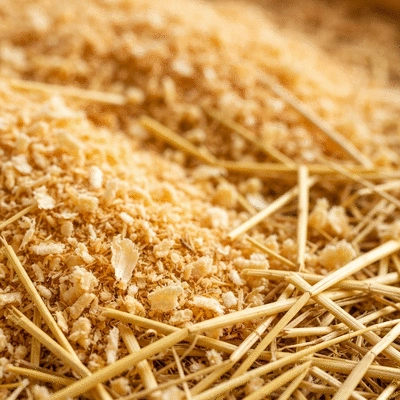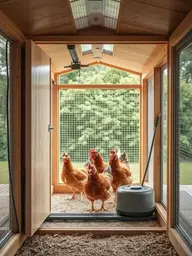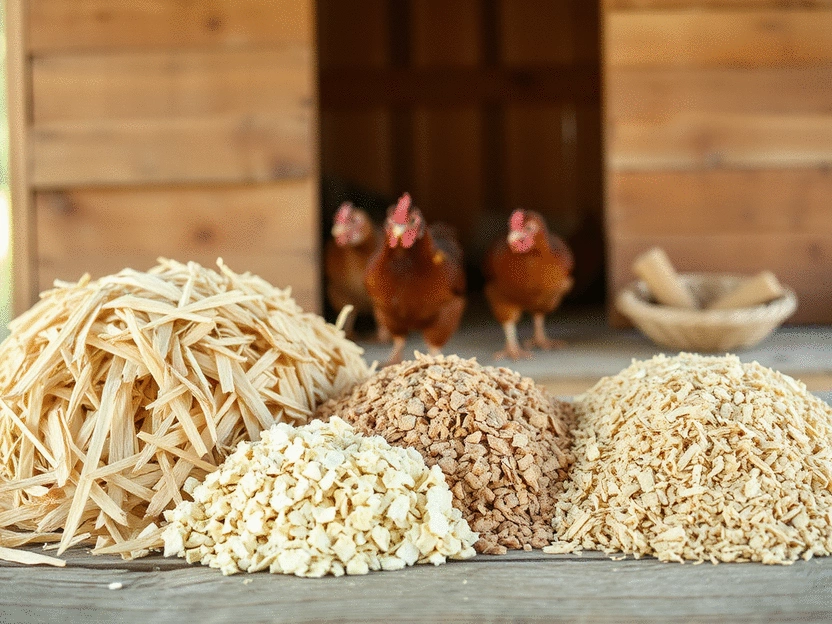
Pine Wood Shavings
- ✓Affordable & readily available
- ✓Good absorbency & odor control
- ✗Can be dusty, may cause respiratory irritation
**Characteristics:** Sourced from sustainably managed forests, offers decent insulation.
Welcome to American Chicken Coops, your trusted resource for happy, healthy backyard chickens!
Mar 13
Choosing the right bedding for your chickens is more than just a comfort decision; it significantly affects their health and your overall chicken-keeping experience! Here’s what you’ll discover about optimal bedding for your coop.
Below is a comparison of popular chicken coop bedding materials, highlighting their pros, cons, and key characteristics to help you make an informed decision for your flock. For more information on setting up your coop, check out these charming chicken coop ideas.
**Characteristics:** Sourced from sustainably managed forests, offers decent insulation.
**Characteristics:** Excellent moisture control, good for composting, less frequent changes needed.
**Characteristics:** Best used for deep litter method, requires frequent turning.
**Characteristics:** Requires specific type (construction grade), can be dusty if not coarse enough.
When it comes to raising happy and healthy backyard chickens, the type of bedding you choose for your coop can make a big difference! Not only does proper bedding provide comfort for your flock, but it also helps with hygiene, moisture control, and odor management. Let’s dive into why selecting the right bedding is crucial.
Choosing the right bedding material impacts your chickens' health, their living environment, and your overall experience as a chicken keeper. With over 35 years of hands-on experience, I’ve seen firsthand how the right bedding can lead to a happier and more productive flock! To ensure a healthy environment, regular cleaning of your chicken coop is essential.
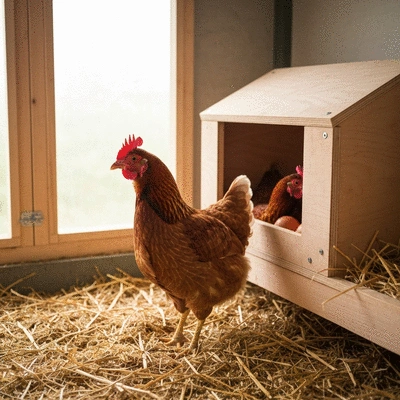
The bedding in your chicken coop serves several important functions. It provides insulation, helps absorb moisture, and offers a comfortable area for your birds to rest. When bedding is wet or soiled, it can lead to health issues, such as respiratory problems or even bumblefoot in your chickens.
By understanding the importance of bedding, you can create a healthier environment for your flock, ensuring they stay happy and productive!
There are several popular bedding options that chicken keepers like myself have used over the years. Each type of bedding comes with its own set of benefits and drawbacks, so it's important to choose one that fits your needs and your chickens' well-being.
In the upcoming sections, we’ll explore these options in greater detail, highlighting their pros and cons to help you make an informed decision for your chicken coop.
As a backyard chicken keeper, I truly value sustainability. Using eco-friendly bedding not only benefits your chickens but also the environment. Options like hemp and recycled paper products can reduce waste and minimize your coop's carbon footprint.
Choosing eco-friendly bedding is a step in the right direction for any chicken enthusiast. Remember, a healthy environment leads to healthy chickens!
When selecting bedding for your chicken coop, consider mixing different materials for enhanced benefits. For example, combining pine shavings with straw can improve moisture absorption while providing a comfortable resting area for your chickens. This approach not only maximizes the advantages of each material but also helps reduce waste and promote a healthier coop environment.
Proper bedding is crucial for chicken health and comfort. It provides insulation, absorbs moisture to prevent respiratory issues and bumblefoot, and offers a comfortable space for roosting and laying eggs. It also aids in odor management and overall coop hygiene.
Popular options include pine wood shavings (affordable, absorbent), hemp bedding (highly absorbent, eco-friendly), straw (natural, good for nesting), and sand (easy to clean, long-lasting). Each has its own benefits and drawbacks.
Yes, eco-friendly options include hemp bedding (biodegradable, sustainable), pine shavings (if sourced from sustainably managed forests), and recycled paper products (reduces waste). These choices benefit both your chickens and the environment.
Consider the type of chickens you have, your local climate (humid vs. dry), your budget, and the availability of materials in your area. These factors will help you make an informed decision that suits your specific needs.
Yes, mixing materials can offer enhanced benefits. For example, combining pine shavings with straw can improve moisture absorption while providing a comfortable resting area. This can maximize advantages and promote a healthier coop environment.
When it comes to choosing the best bedding for your chicken coop, it's essential to take a step back and evaluate your flock's unique needs. Every chicken keeper has different circumstances, and what works for one coop may not work for another. Here are some critical factors to consider:
Taking the time to identify these elements will help you make an informed decision. Remember, a happy chicken is a productive chicken, and the right bedding plays a significant role in that happiness! If you're planning to build your own, consider these DIY chicken coop plans to get started.
In my experience as a backyard chicken keeper for over 35 years, I've seen how vital it is to choose the right bedding. Each type has its strengths and weaknesses, and it's all about finding the balance that suits your flock. Whether you opt for pine wood shavings for their absorbency or hemp bedding for its sustainability, the choice should be aligned with your coop's environment and your chickens' well-being.
Whatever you decide, make sure to monitor your chickens’ behavior and health. If they seem content and are laying eggs regularly, you've likely made a solid choice. Don’t hesitate to adjust your bedding as needed; your chickens will appreciate the effort!
Here is a quick recap of the important points discussed in the article:
Passionate chicken keeper. Homesteading enthusiast. Advocate for sustainable living.
Harold 'Hank' Dawson is dedicated to helping U.S. backyard chicken keepers create safe and practical housing solutions, empowering beginners, homesteaders, and suburban homeowners to embrace a joyful chicken-keeping lifestyle. Join her on American Chicken Coops for reliable resources and tailored strategies that simplify your coop building and maintenance and enhance your flock's well-being.
Passionate chicken keeper. Homesteading enthusiast. Advocate for sustainable living.
Harold 'Hank' Dawson is dedicated to transforming backyards across the U.S. into thriving, safe havens for chickens, empowering fellow chicken enthusiasts to embrace a sustainable and rewarding poultry-keeping lifestyle. Join her on American Chicken Coops for daily tips and tailored strategies that simplify your coop building and maintenance and enhance the well-being of your flock.