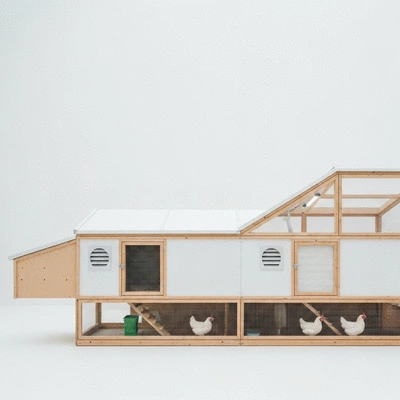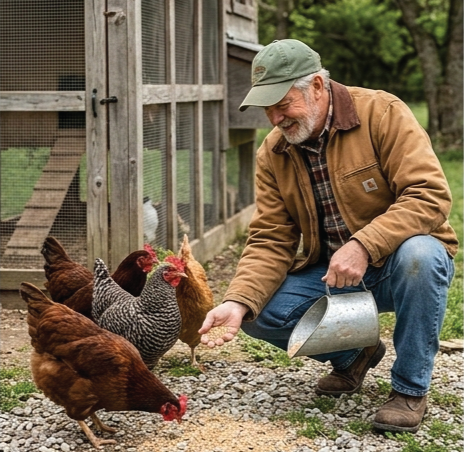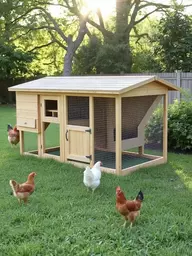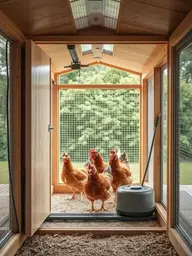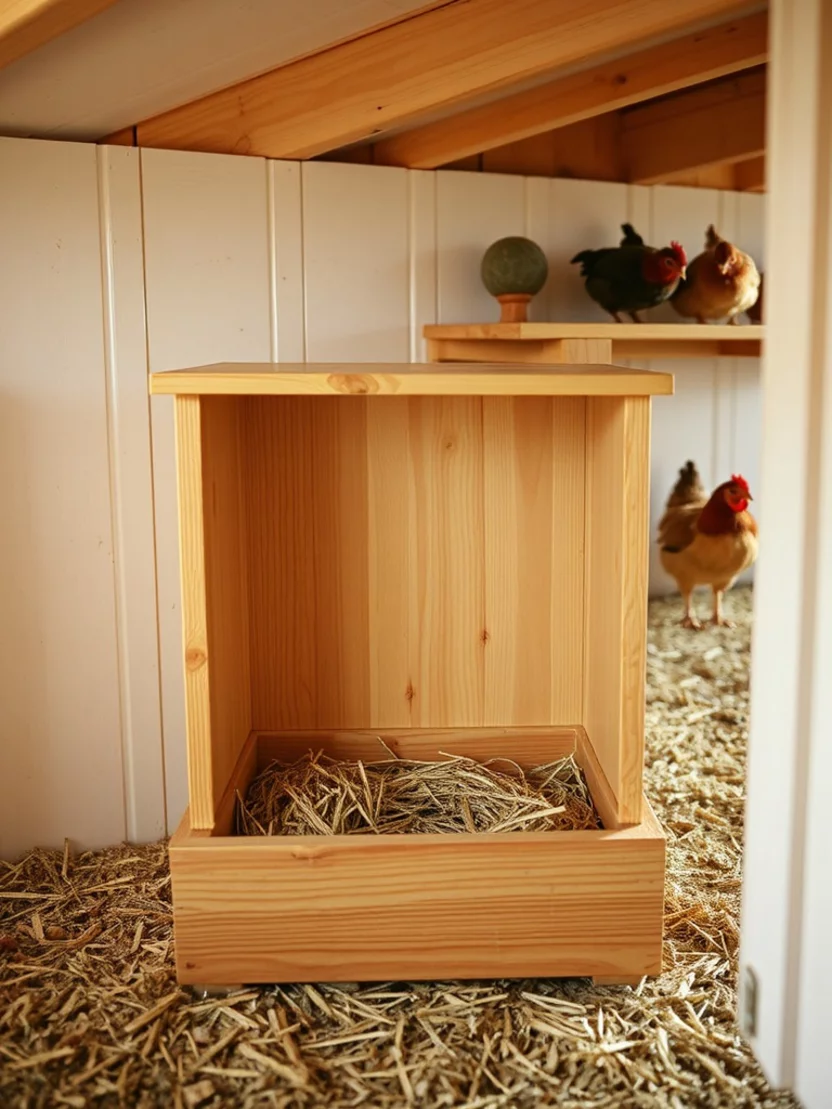
Nesting Box Design Principles
- 1 Spacious enough for hens to turn around comfortably.
- 2 Offers seclusion for hen security and privacy.
- 3 Easy accessibility for all hens, including older birds.
Welcome to American Chicken Coops, your trusted resource for happy, healthy backyard chickens!
Jun 19
Consider the environment your hens live in; it plays a significant role in their happiness and productivity. Every detail counts when designing a chicken coop, from nesting boxes to roost placements. Are you ready to create an optimal space for your feathered friends?
Ensuring an efficient and comfortable environment for your hens directly impacts their egg-laying success. The following key principles highlight how proper nesting box and roost layout contribute to consistent egg production and overall flock well-being. For a more comprehensive understanding of essential coop elements, explore our Beginner's Guide to Chicken Coops.
When it comes to raising happy and productive chickens, the nesting box and roost layout are crucial elements in your coop design. These features not only contribute to the well-being of your flock but also significantly impact egg production. Trust me, as someone who has spent over 35 years building coops, I can assure you that a well-thought-out layout can make all the difference!
Nesting boxes provide a safe and comfortable space for hens to lay their eggs. If the design isn’t right, it can lead to stress among your birds, resulting in lower egg production. So, let’s dive into why the design and placement of nesting boxes and roosts matter!
The design of your nesting boxes plays a pivotal role in creating the ideal environment for your hens. Consider the following key factors:
Well-designed nesting boxes not only enhance comfort but also encourage hens to lay more frequently. Remember, happy hens lay more eggs!
Roost placement is another vital aspect of coop design that can directly affect egg production. Here’s what to keep in mind:
By strategically placing your roosts, you create a serene environment that promotes healthy laying behavior. This is something I’ve seen firsthand with my own flocks!
It’s essential to recognize that a hen’s egg production cycle is influenced by environmental factors, including coop design. Here are some points to consider:
Understanding how your coop layout affects egg production allows you to make informed decisions, ensuring your hens thrive and lay consistently.
According to a study by the University of California, hens that have access to well-designed nesting boxes can lay up to 20% more eggs than those without. Investing time in proper coop design not only enhances the health of your flock but also significantly boosts your egg production!
As we wrap up our discussion on nesting box and roost layout plans, it’s crucial to remember the key design principles that can truly optimize egg production. After years of raising chickens and building coops, I can tell you firsthand that the right setup can make all the difference for your flock. Effective nesting boxes and well-positioned roosts not only contribute to better egg laying but also create a happier environment for your hens!
Here are a few essential design principles to keep in mind:
Implementing these principles not only maximizes egg production but also enhances your chickens’ well-being!
Now that you have the knowledge, it’s time to put your nesting box and roost layout plan into action! I encourage you to take the leap and start building or modifying your coop. Remember, each flock is unique, and tweaking your design is part of the fun! Think about what features you can incorporate to meet your hens' specific needs. Don’t hesitate to experiment a bit—your chickens will let you know what they like!
As you plan, keep in mind that the layout isn’t just about functionality; it’s also about creating a cozy, stress-free environment for your feathered friends. Happy hens lead to happy owners, and I’m sure you’ll enjoy watching them thrive in their new space!
A: Nesting boxes that are too small can stress hens, making them less likely to lay eggs frequently. Ensure boxes are spacious enough for hens to turn around comfortably, ideally around 12x12x12 inches for standard breeds.
A: Hens prefer a secluded and safe spot to lay eggs. Providing privacy in nesting boxes reduces stress and encourages consistent laying, preventing hens from seeking alternative, less desirable laying spots.
A: Roosts should always be positioned higher than nesting boxes. This placement aligns with a hen's natural instinct to sleep at the highest point, preventing them from roosting in nesting boxes and soiling them.
A: Natural light exposure, particularly 14-16 hours of light per day, stimulates a hen's reproductive cycle, leading to more consistent egg laying. Proper window placement in the coop is essential for this.
A: Provide at least 8-10 inches of roosting space per hen. This minimizes squabbling and ensures each hen has enough room to comfortably perch, contributing to a calmer flock and better overall well-being.
One of the best parts of being a backyard chicken keeper is the community that comes with it! Connecting with fellow chicken enthusiasts can provide a wealth of information and inspiration. Join online forums or social media groups dedicated to backyard chickens; they are excellent places to share experiences and gather tips from seasoned keepers. American Chicken Coops often shares insights and advice, so don’t forget to join the conversation!
Here are a few platforms to consider:
Engaging with these communities can enrich your chicken-keeping journey and introduce you to new friends who share your passion!
As you gain experience, you might find that your coop could use a little upgrading. Whether it’s adding more nesting boxes, expanding your run, or even modifying your roost layout, there’s always room for improvement. I always advise fellow chicken keepers to assess their flock's needs periodically. This way, you can adapt your setup to ensure the best living conditions for your hens.
Consider these potential upgrades:
Remember, a well-maintained coop not only helps in egg production but also keeps your flock healthy and happy!
Finally, let’s touch on the importance of sustainability in chicken keeping. Implementing eco-friendly practices can enhance the welfare of your flock while also benefiting the environment. For example, using organic bedding materials, practicing composting, and providing a natural diet can all contribute to a healthier ecosystem.
Here are some sustainable practices to consider:
By adopting these practices, you’ll not only support your hens’ health but also contribute positively to the planet. Let’s work together to create a sustainable future for backyard chicken keeping! Happy coop building!
Here is a quick recap of the important points discussed in the article:
Passionate chicken keeper. Homesteading enthusiast. Advocate for sustainable living.
Harold 'Hank' Dawson is dedicated to helping U.S. backyard chicken keepers create safe and practical housing solutions, empowering beginners, homesteaders, and suburban homeowners to embrace a joyful chicken-keeping lifestyle. Join her on American Chicken Coops for reliable resources and tailored strategies that simplify your coop building and maintenance and enhance your flock's well-being.
Passionate chicken keeper. Homesteading enthusiast. Advocate for sustainable living.
Harold 'Hank' Dawson is dedicated to transforming backyards across the U.S. into thriving, safe havens for chickens, empowering fellow chicken enthusiasts to embrace a sustainable and rewarding poultry-keeping lifestyle. Join her on American Chicken Coops for daily tips and tailored strategies that simplify your coop building and maintenance and enhance the well-being of your flock.