Space Per Chicken
Coop Interior: 4 sq ft
Outdoor Run: 10 sq ft
Crucial for health and stress reduction.
Welcome to American Chicken Coops, your trusted resource for happy, healthy backyard chickens!
May 14
Have you ever considered how much joy and productivity a flock of 20 or more chickens can bring to your backyard? Not only do they provide a steady supply of fresh eggs, but they also create a vibrant community of feathered friends. Let's explore the essential insights from designing and maintaining a large capacity chicken coop!
Ensuring adequate space for your flock is crucial for their health and well-being. Here's a quick guide to space requirements per chicken, along with examples for a 20-chicken flock. For more detailed information on various designs, check out these charming chicken coop ideas for flocks.
Coop Interior: 4 sq ft
Outdoor Run: 10 sq ft
Crucial for health and stress reduction.
Coop Interior: 80 sq ft (20 chickens × 4 sq ft)
Outdoor Run: 200 sq ft (20 chickens × 10 sq ft)
Minimum space for healthy, happy birds.
Nesting Boxes: 1 box per 3-4 hens
Roosting Bars: High enough for natural behavior.
Essential for comfort and egg laying.
Proper design supports chicken health.
Raising a larger flock of chickens can be immensely rewarding! When you choose to keep 20 or more chickens, you’re not just boosting your egg production; you’re also cultivating a lively environment where your chickens can experience companionship and social interaction. It’s a delight to watch them interact, scratch around, and establish their pecking order—much like a small community!
One of the main benefits of having a larger flock is the potential for increased egg production. With more hens, you can enjoy a steady supply of fresh eggs. Not to mention, having a variety of chickens can introduce different egg colors and sizes to your breakfast table! Additionally, a bigger flock means your chickens can keep each other company, reducing stress and promoting healthier, happier birds.
Having a larger group also allows you to experiment with different breeds, discovering which ones thrive best in your environment. It's a fun journey that opens opportunities for learning and growth in your backyard chicken keeping adventure!
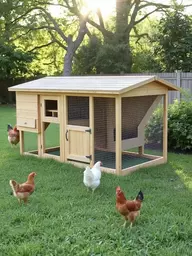
When planning your chicken coop, it’s vital to consider the necessary capacity for your flock. Each chicken needs a comfortable amount of space to thrive, so understanding your available area is crucial. You’ll also want to think about climate factors that can influence the design. For instance, coops in areas with heavy snowfall may need to have stronger insulation, while those in hotter climates might require better ventilation. Taking these elements into account will help ensure a safe and functional environment for your birds. Exploring chicken coop plans with a run can provide excellent guidance for integration.
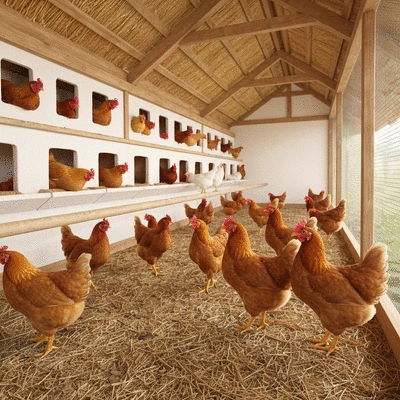
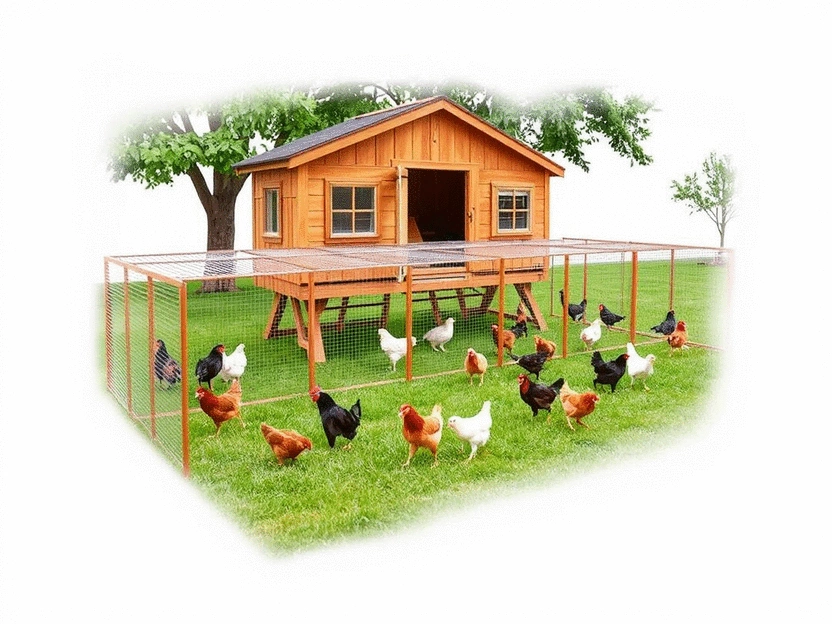
To promote health and comfort within your coop, it’s essential to adhere to size guidelines. A general rule of thumb is to provide at least 4 square feet per chicken inside the coop and about 10 square feet per chicken in the outdoor run. This amount of space allows chickens to move freely, reduces stress and pecking, and leads to healthier, more productive birds!
For example, if you’re planning to house 20 chickens, you’ll need a minimum of 80 square feet in the coop and an additional 200 square feet in the run. This ample space will ensure your feathered friends have plenty of room to stretch out and enjoy their surroundings!
When it comes to designing the perfect chicken coop, dimensions matter significantly. Each breed has its own space preferences, and understanding these can help you create a comfortable environment. For instance, larger breeds like Jersey Giants may require more room than smaller breeds like Bantams.
In general, aim for a minimum of 4 square feet per chicken inside the coop and 10 square feet in the run. This allows for enough space to avoid overcrowding, which is crucial for maintaining a healthy flock.
Designing your coop with the right elements is key to keeping your chickens comfortable and healthy. Be sure to include enough nesting boxes—a good rule of thumb is one box for every 3-4 hens. Roosting bars should be placed high enough to allow for natural behavior, but comfortably reachable. Don’t forget adequate ventilation; this is crucial for preventing heat buildup and ensuring fresh air circulates throughout the coop!
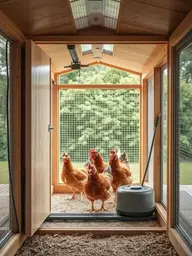
To make your coop a cozy home for your chickens, consider incorporating essential accessories. Automatic feeders and waterers reduce the frequency of feed and water refills, saving you time and ensuring your birds always have access to what they need. Additionally, think about using quality bedding options like straw or wood shavings—these materials keep the coop clean and provide a comfortable space for your chickens to nest and rest.
As someone who has spent over 35 years building chicken coops, I've seen firsthand how these small enhancements can significantly improve the overall function and comfort of a chicken coop! For practical advice on keeping your coop in top condition, refer to our guide on cleaning your chicken coop.
As you embark on your chicken-keeping journey, what features are most important to you in a chicken coop? Share your thoughts below:
Keeping your large capacity chicken coop in tip-top shape is essential for the health and happiness of your flock! A clean and well-maintained environment not only promotes egg production but also keeps your chickens stress-free. Here are some effective cleaning practices to ensure your coop remains a safe haven for your birds:
To make this process easier, I recommend establishing a cleaning schedule that works for you. Remember to always use non-toxic cleaning agents to protect your chickens from harmful chemicals. Regularly replacing bedding is crucial, as it helps control odors and prevents the buildup of harmful bacteria!
Composting is particularly beneficial, as it allows you to recycle waste while enriching your garden. When done right, it can turn what used to be waste into valuable fertilizer! Plus, using removable trays simplifies the task of managing droppings.
Ongoing maintenance practices are necessary for the longevity of your coop and the health of your flock. Here are a few essential tasks to keep in mind:
Staying proactive with these maintenance tasks not only extends the life of your coop but also ensures that your chickens remain comfortable and safe year-round. Trust me, a little effort now can save you a lot of hassle down the line!
For a flock of 20 chickens, you'll need a minimum of 80 square feet inside the coop (4 sq ft per chicken) and 200 square feet in the outdoor run (10 sq ft per chicken).
A good rule of thumb is one nesting box for every 3-4 hens. So, for 20 hens, you would need approximately 5-7 nesting boxes.
Adequate ventilation is crucial to prevent heat buildup, reduce humidity, and ensure fresh air circulates throughout the coop, which is vital for preventing respiratory issues and maintaining overall chicken health.
Effective waste management techniques include composting chicken manure for garden use, utilizing removable trays for easy cleanup, and implementing a deep litter system to improve soil quality and reduce cleaning frequency.
It's recommended to perform daily checks for droppings and uneaten food, weekly deep cleanings of the coop, and monthly inspections for wear and tear. A regular cleaning schedule helps maintain a healthy and odor-free environment.
One of the joys of raising chickens is connecting with others who share your passion! Engaging with local groups, online forums, or social media communities can provide invaluable support and a wealth of ideas. Whether you’re seeking advice on coop designs or tips for feeding your flock, the chicken-raising community is filled with knowledgeable and passionate individuals ready to help.
At American Chicken Coops, we’re dedicated to providing resources that help you succeed in your chicken-keeping journey. Be sure to check out our downloadable plans and guides, which offer insights into everything from coop construction to flock management. These materials are designed to empower you and ensure your chickens thrive!
Now that you have a better understanding of maintaining a large capacity chicken coop, it’s time to take action! Selecting the right plans is crucial for ensuring your coop meets your flock’s needs. Don’t hesitate to explore our comprehensive designs tailored for 20+ chickens. Let's get building!
To help you get started, we offer downloadable PDF plans and a checklist for building your chicken coop. These resources will guide you step by step as you embark on this rewarding journey of backyard chicken keeping. Remember, happy chickens lead to happy keepers!
Here is a quick recap of the important points discussed in the article:
Passionate chicken keeper. Homesteading enthusiast. Advocate for sustainable living.
Harold 'Hank' Dawson is dedicated to helping U.S. backyard chicken keepers create safe and practical housing solutions, empowering beginners, homesteaders, and suburban homeowners to embrace a joyful chicken-keeping lifestyle. Join her on American Chicken Coops for reliable resources and tailored strategies that simplify your coop building and maintenance and enhance your flock's well-being.
Passionate chicken keeper. Homesteading enthusiast. Advocate for sustainable living.
Harold 'Hank' Dawson is dedicated to transforming backyards across the U.S. into thriving, safe havens for chickens, empowering fellow chicken enthusiasts to embrace a sustainable and rewarding poultry-keeping lifestyle. Join her on American Chicken Coops for daily tips and tailored strategies that simplify your coop building and maintenance and enhance the well-being of your flock.