DIY Coops: Pros & Cons
Pros:
- ✓ Customization
- ✓ Cost-effectiveness
- ✓ Sense of accomplishment
Cons:
- ✖ Time-consuming
- ✖ Requires skills
- ✖ Potential for errors
Welcome to American Chicken Coops, your trusted resource for happy, healthy backyard chickens!
Mar 30
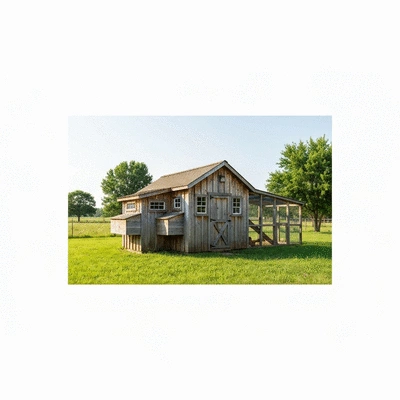
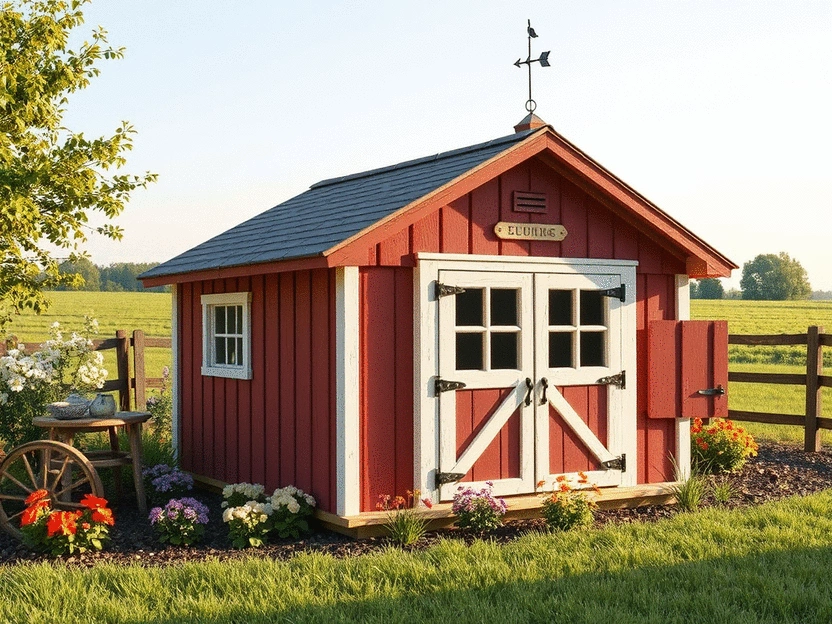
Have you ever considered how the design of your chicken coop can enhance both the functionality and aesthetic of your backyard? Amish chicken coops are not only built to last; they also offer a unique charm that can transform your outdoor space.
Deciding between building your own coop or purchasing one involves weighing several factors. This comparison highlights the key considerations for each option. For those considering a DIY approach, exploring simple chicken coop plans for beginners can be a great starting point.
As a lifelong backyard chicken keeper, I’ve always been drawn to the unique charm of Amish chicken coops. Their craftsmanship stands out, boasting features that ensure both durability and functionality. The attention to detail in the construction of these coops not only enhances their aesthetic appeal but also makes them incredibly predator-resistant, keeping our feathered friends safe and sound!
When you think about it, the Amish have a rich tradition of building structures that last. Their coops often incorporate timeless designs that blend seamlessly into the landscape, giving your backyard a rustic yet welcoming vibe. With so many options available, it’s easy to see why so many chicken keepers, including myself, are inspired by their styles. You can find many charming chicken coop ideas that draw from this tradition.
One reason Amish chicken coops are so popular is their superior craftsmanship. These coops are built to withstand various weather conditions, which is essential for keeping chickens healthy year-round. Here are a few unique features that make Amish coops stand out:
These features not only provide a safe haven for your chickens but also make maintenance much easier. As someone who has built several coops myself, I can attest to the practicality of these designs!
Amish barn styles offer a delightful blend of aesthetics and functionality, making them a great choice for any backyard chicken keeper. The traditional look of these coops can add a touch of history and warmth to your outdoor space. Here are some benefits of choosing Amish styles:
Ultimately, the combination of beauty and practicality makes these coops a popular option for modern chicken keepers who want to embrace tradition while ensuring their flock enjoys a comfortable living space.
Amish barn styles are not just about looks—they also play a significant role in sustainable farming practices. By using eco-friendly materials, these coops minimize their environmental impact, which is becoming increasingly important in today’s world. Here are some ways Amish coop designs contribute to sustainability:
By choosing an Amish-inspired coop, you’re not just creating a home for your chickens; you’re contributing to a more sustainable future in farming. It’s a win-win situation that aligns well with my mission at American Chicken Coops to support responsible chicken farming!
As you consider the many factors in choosing the right chicken coop, what features are most important to you? Is it the aesthetics, functionality, sustainability, or perhaps the craftsmanship? Share your thoughts below:
When diving into the world of chicken keeping, one of the first big decisions you'll face is whether to build your own coop or purchase a pre-built option. Each choice has its unique set of advantages and challenges. Let's explore these options together!
Building your own chicken coop can be a rewarding experience, especially if you enjoy woodworking like I do! It allows you to customize every aspect to suit your specific needs and to create a coop that reflects your personal style. However, it does require time, effort, and some basic carpentry skills. For those who prefer a hands-on approach, reviewing DIY chicken coop plans for 6 chickens can be incredibly helpful.
On the flip side, purchasing a pre-built coop can save you time and hassle. It’s great if you’re eager to start keeping chickens right away! But, you may have limited options for customization, and the initial cost can be higher compared to building your own.
Different chicken breeds have unique requirements when it comes to housing. As a lifelong chicken keeper, I've learned that understanding these needs is vital for ensuring happy and healthy birds. Here are some common breeds and their housing needs:
Make sure to factor in not only the size of your coop but also the configuration of nesting boxes and perches to accommodate your flock’s preferences. For more general guidance, a beginner's guide to chicken coops can provide essential information.
As I’ve shared my knowledge of chicken keeping through American Chicken Coops, I often get questions about Amish chicken coops. Here are a few of the most common inquiries:
Addressing these questions helps potential chicken keepers feel more confident in their choices. Don't hesitate to reach out if you're curious about something specific!
Here is a quick recap of the important points discussed in the article:
Passionate chicken keeper. Homesteading enthusiast. Advocate for sustainable living.
Harold 'Hank' Dawson is dedicated to helping U.S. backyard chicken keepers create safe and practical housing solutions, empowering beginners, homesteaders, and suburban homeowners to embrace a joyful chicken-keeping lifestyle. Join her on American Chicken Coops for reliable resources and tailored strategies that simplify your coop building and maintenance and enhance your flock's well-being.
Passionate chicken keeper. Homesteading enthusiast. Advocate for sustainable living.
Harold 'Hank' Dawson is dedicated to transforming backyards across the U.S. into thriving, safe havens for chickens, empowering fellow chicken enthusiasts to embrace a sustainable and rewarding poultry-keeping lifestyle. Join her on American Chicken Coops for daily tips and tailored strategies that simplify your coop building and maintenance and enhance the well-being of your flock.