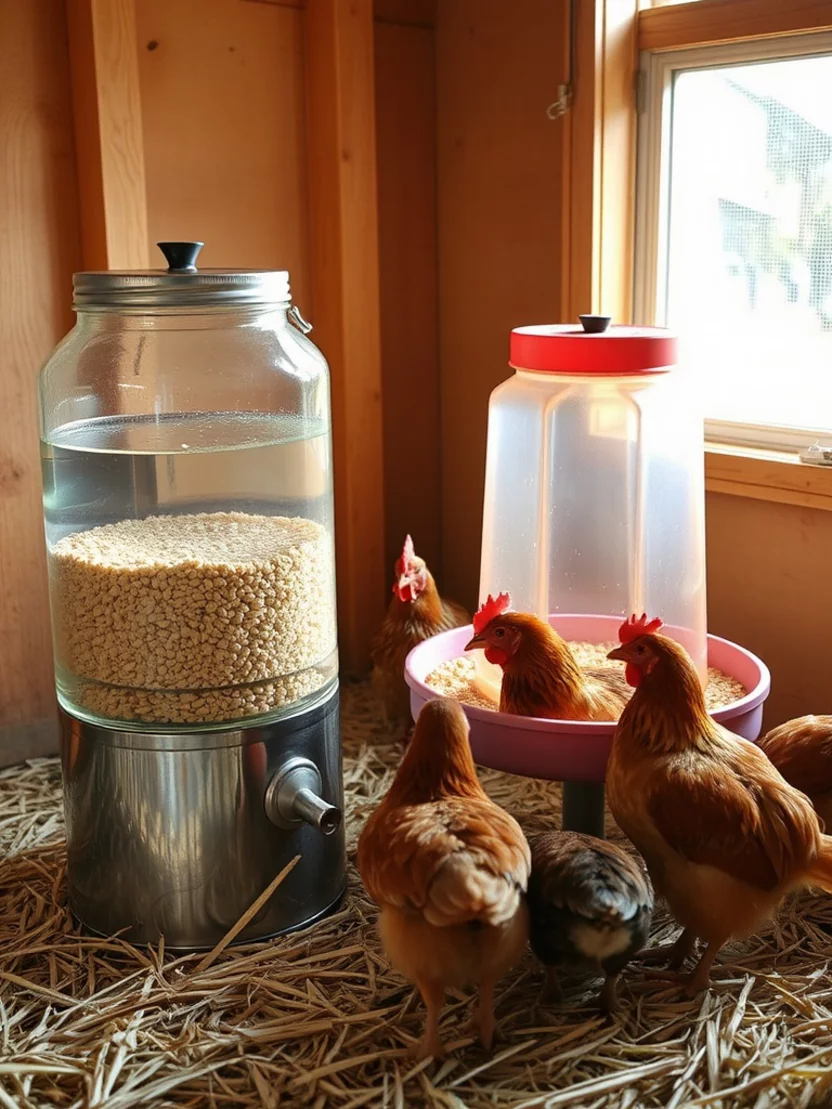
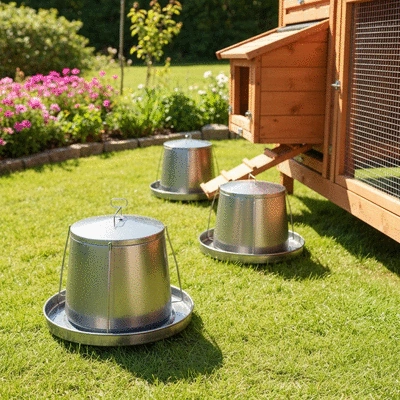
Disease Prevention
- ✓ Inspect & clean weekly
- ✓ Address mold quickly
- ✓ Use safe cleaners
Welcome to American Chicken Coops, your trusted resource for happy, healthy backyard chickens!
Jun 10
To thrive as a backyard chicken keeper, understanding the significance of maintaining clean feeders and waterers is paramount. It not only safeguards your flock's health but also enhances their productivity and happiness.
Maintaining clean feeders and waterers is crucial for preventing disease and ensuring a healthy, thriving flock. For more general guidance on setting up a healthy environment, explore our beginners guide to chicken coops.
As a seasoned backyard chicken keeper, I've learned that proper maintenance of chicken feeders and waterers is absolutely vital for your flock's health! Regular cleaning not only keeps your chickens happy but also helps prevent various health issues. Let’s dive into why this maintenance is so important.
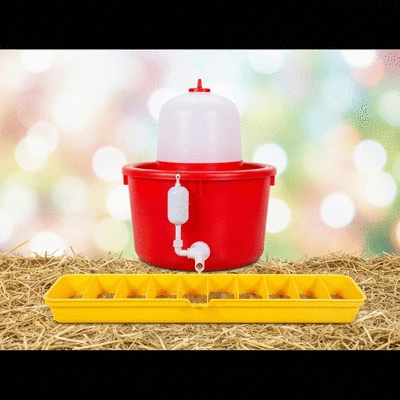
When it comes to chicken care, regular cleaning of feeders and waterers should be at the top of your list. Dirty feeders can harbor moldy feed that might lead to digestive problems in your chickens, while stagnant water can become a breeding ground for harmful bacteria and parasites. Keeping these areas clean is key to ensuring your birds stay in top shape!
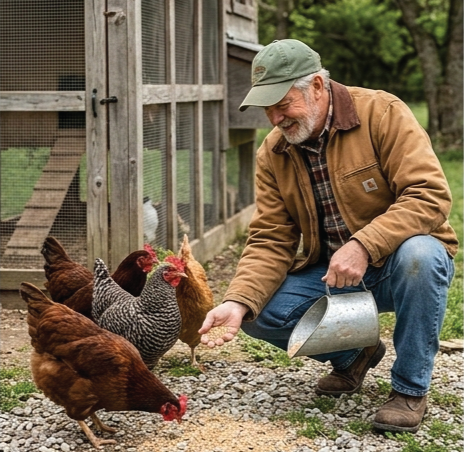
In my experience, dedicating a little time each week to clean these essential tools can save you a lot of headaches down the road. Remember, a happy chicken is a healthy chicken!
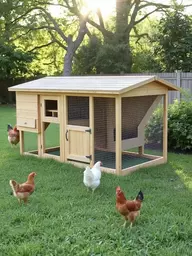
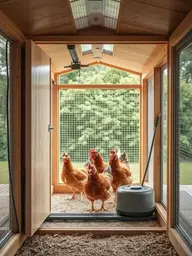
Ensuring a clean environment for your chickens is crucial, as poor sanitation can lead to a host of diseases. Salmonella, for example, can thrive in contaminated feed and water, putting your flock at serious risk. Other illnesses like coccidiosis can also spread rapidly in unsanitary conditions. For a comprehensive guide on maintaining a pristine chicken living space, refer to our article on cleaning your chicken coop.
Taking the time to regularly clean your feeders and waterers can make a significant difference in your flock's overall health and longevity. It’s all part of being a responsible chicken keeper!
Water is the most vital resource for your chickens, and its quality directly impacts their health. Ensuring your chickens have access to clean, fresh water can prevent a multitude of health issues. Dirty water can lead to dehydration and lower egg production, which no one wants!
In my chicken-keeping journey, I’ve found that investing in good-quality waterers makes a world of difference. It keeps my flock hydrated and thriving, and that's what it's all about!
How often do you clean your chicken feeders and waterers? Share your cleaning routine with us below:
As a passionate chicken keeper, I can’t stress enough how vital regular maintenance is for the health of your flock! Keeping your chicken feeders and waterers clean not only promotes good hygiene but also plays a pivotal role in disease prevention. Let's break down the key aspects of maintenance that every backyard poultry keeper should prioritize.
First and foremost, maintaining clean feeding and watering systems helps prevent the spread of diseases among your birds. I remember the times I've seen flocks suffer simply due to neglecting these fundamental tasks. By ensuring that your equipment is clean and sanitary, you're setting up your chickens for a long, happy life!
Regular maintenance is not just about cleanliness; it’s a proactive measure to keep your flock healthy. Here are some essential maintenance practices that can help you ward off diseases:
By following these practices, you can significantly reduce the risk of disease outbreaks. Remember, prevention is always better than cure!
As someone who enjoys sharing knowledge with fellow chicken enthusiasts, I encourage all backyard poultry keepers to adopt safe practices! It's important to foster a culture of cleanliness and responsibility. Make sure to educate yourself and your fellow chicken keepers about the best ways to maintain their equipment.
Here are some ways you can promote safe practices:
By working together and supporting one another, we can help ensure that every flock stays healthy and thriving!
Early detection of disease symptoms is crucial for maintaining your flock's health. Having spent over 35 years with chickens, I've learned that being vigilant can make all the difference. For further reading on creating a robust and safe environment for your birds, consider our article on predator-proof chicken coop ideas.
Being proactive and observant can help you catch potential issues before they escalate. Trust me, your chickens will thank you for it!
A1: Regular cleaning is vital to prevent digestive problems, reduce the risk of disease transmission (like Salmonella and Coccidiosis), and ensure your chickens maintain consistent feeding and drinking habits, leading to overall better health and productivity.
A2: Poor sanitation can lead to diseases such as Salmonella from contaminated feed, Coccidiosis from unsanitary conditions, and respiratory issues often exacerbated by dirty waterers and poor air quality.
A3: Clean, fresh water is the most vital resource for chickens. Poor water quality can lead to dehydration, reduced egg production, and various health problems. It's crucial to monitor water clarity and odor, use easy-to-clean waterers, and change water daily.
A4: A simple schedule includes: checking feeders and waterers daily; cleaning and disinfecting them weekly; inspecting for wear and tear and assessing coop hygiene monthly; and performing a thorough deep clean of the entire coop and all equipment seasonally.
A5: Be alert for changes in appetite or eating habits, abnormal droppings or decreased egg production, signs of lethargy or unusual behavior, and visible signs of distress like coughing or respiratory issues. Early detection is key to effective intervention.
Now that we’ve covered the importance of maintenance, it’s time to take action! I recommend establishing a routine that fits your schedule and makes upkeep effortless.
A routine cleaning schedule is essential for keeping your chicken coop and equipment in top shape. Aim for a balance between deep cleaning and regular maintenance. Here’s a simple schedule to consider:
Following a schedule like this will not only keep your coop clean but also save you time and hassle in the long run!
To support your journey as a chicken keeper, I’ve gathered a selection of valuable resources that can enhance your knowledge and best practices:
These resources can provide you with in-depth knowledge and practical advice to keep your flock happy and healthy!
Lastly, don’t underestimate the power of community! Connecting with other chicken keepers can be incredibly beneficial. Here’s how you can engage with your fellow enthusiasts:
By working together and supporting one another, we can help ensure that every flock stays healthy and thriving!
Here is a quick recap of the important points discussed in the article:
Final content section.
Passionate chicken keeper. Homesteading enthusiast. Advocate for sustainable living.
Harold 'Hank' Dawson is dedicated to helping U.S. backyard chicken keepers create safe and practical housing solutions, empowering beginners, homesteaders, and suburban homeowners to embrace a joyful chicken-keeping lifestyle. Join her on American Chicken Coops for reliable resources and tailored strategies that simplify your coop building and maintenance and enhance your flock's well-being.
Passionate chicken keeper. Homesteading enthusiast. Advocate for sustainable living.
Harold 'Hank' Dawson is dedicated to transforming backyards across the U.S. into thriving, safe havens for chickens, empowering fellow chicken enthusiasts to embrace a sustainable and rewarding poultry-keeping lifestyle. Join her on American Chicken Coops for daily tips and tailored strategies that simplify your coop building and maintenance and enhance the well-being of your flock.