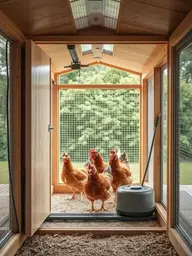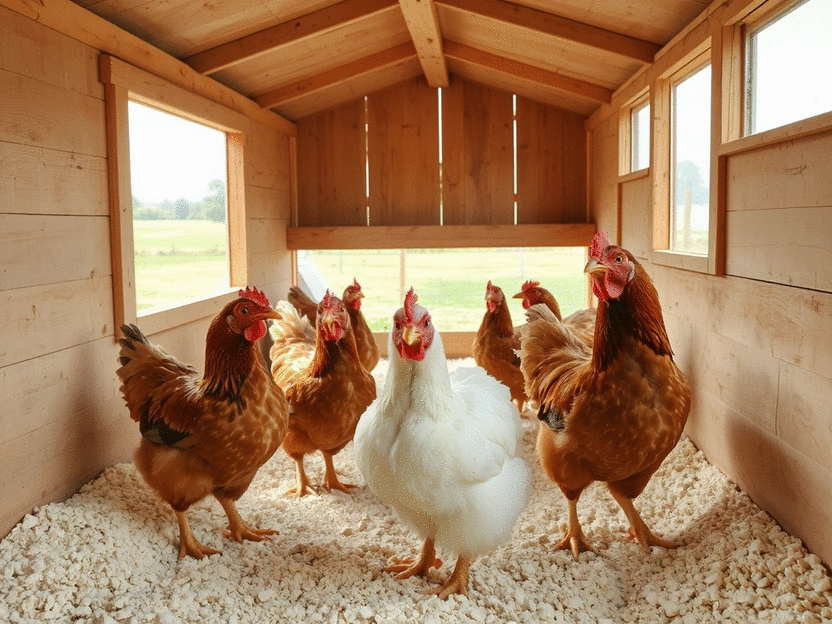
Factor 1: Manure Decomposition
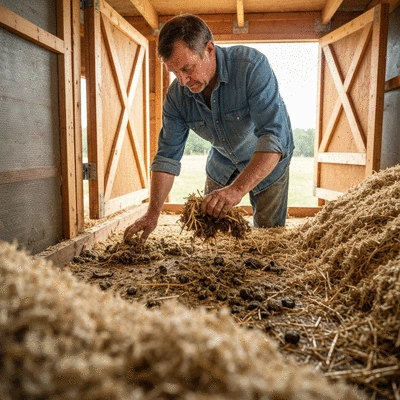
As droppings accumulate and break down, they release ammonia gas, a natural byproduct of microbial activity. Regular cleaning is crucial.
Welcome to American Chicken Coops, your trusted resource for happy, healthy backyard chickens!
May 17
Did you know that poor ventilation can lead to harmful ammonia levels in chicken coops, posing serious health risks for your flock? Understanding how to manage ammonia buildup is crucial for maintaining a healthy environment for your chickens. Here are the key takeaways from this essential guide on ammonia management.
Understanding the primary causes of ammonia accumulation is vital for maintaining a healthy environment for your flock. This visual highlights the three main contributing factors:
As droppings accumulate and break down, they release ammonia gas, a natural byproduct of microbial activity. Regular cleaning is crucial.
High humidity and wet bedding accelerate microbial growth, intensifying the rate of ammonia production from decomposing waste.
Inadequate airflow traps ammonia within the coop, preventing its dissipation and leading to harmful concentrations.
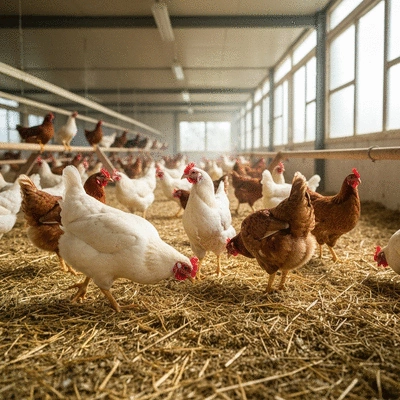
Longer indoor periods in colder months lead to increased droppings concentration and reduced fresh air circulation.
As a lifelong backyard chicken keeper, I’ve seen firsthand how essential it is to maintain a healthy environment for our feathered friends. One common issue that many chicken owners face is ammonia buildup in chicken coops. Understanding the causes of this buildup can help us take proactive steps to protect the health of our flocks. For a comprehensive guide on setting up your coop, check out our beginner's guide to chicken coops.
The primary factors contributing to ammonia accumulation in chicken coops include manure decomposition, moisture, and poor ventilation. When chicken droppings break down, they release ammonia, a natural byproduct of microbial activity. This process accelerates in conditions where moisture is excessive and ventilation is lacking. Without proper airflow, ammonia can quickly reach harmful levels!
By addressing these factors, we can create a healthier living space for our chickens, ensuring they thrive and remain free from ammonia-related health issues.
Environmental factors such as winter confinement, humidity, and stocking density also play a significant role in ammonia levels within chicken coops. During the colder months, we often keep our chickens cooped up longer to protect them from harsh weather. While this is necessary, it can lead to increased ammonia buildup if proper measures aren’t taken. Effective moisture control in chicken coops is essential for preventing this.
Understanding these environmental impacts can help us better manage our coops and reduce the risk of harmful ammonia levels.
Chicken droppings are one of the primary sources of ammonia in coops, and managing waste effectively is crucial. A buildup of droppings not only contributes to ammonia production but can also lead to an unhealthy environment for your flock. I recommend implementing regular cleaning schedules to keep droppings in check and minimize ammonia exposure.
By staying on top of waste management, we can significantly reduce ammonia buildup and create a more comfortable environment for our chickens.
Now that we've covered the causes of ammonia buildup, let's discuss the health risks associated with ammonia exposure. It’s important to be aware of how ammonia can negatively affect our chickens and even ourselves as caretakers.
As you implement these ammonia management strategies, we’d love to know: What specific challenges have you faced in managing ammonia levels in your chicken coop? Share your thoughts and experiences below!
As we wrap up our discussion on ammonia management in chicken coops, it's essential to revisit the key points we've covered. Understanding the causes of ammonia buildup—like manure decomposition, moisture, and poor ventilation—is crucial to maintaining a safe environment for your feathered friends. We also highlighted the health risks associated with ammonia exposure, which can impact both your chickens and yourself.
Effective prevention strategies are vital in managing ammonia levels. Here are some best practices to consider:
By implementing these strategies, you can create a healthier environment not just for your chickens but for yourself and your family as well!
It's time to take action! I encourage you to put these ammonia management strategies into practice in your own chicken coop. A healthier environment means happier chickens, and I can tell you from experience, happy chickens lay better eggs! Share your experiences and any personal tips on ammonia management in the comments below. Together, we can foster a community of knowledgeable chicken keepers dedicated to the well-being of our flocks.
Remember, the goal is to create a safe and comfortable space for your birds while also protecting your health. Let's work together to keep our coops thriving!
Here is a quick recap of the important points discussed in the article:
A: The main causes are manure decomposition, excess moisture, and poor ventilation. As droppings break down, they release ammonia, a process accelerated by high humidity and insufficient airflow.
A: Environmental factors like winter confinement (leading to longer indoor periods), high humidity, and overcrowding increase ammonia levels. Longer confinement means more concentrated droppings, while humidity and overcrowding exacerbate microbial activity and waste accumulation.
A: High ammonia levels can lead to respiratory problems, eye irritation, decreased immunity, and overall stress in chickens, impacting their health and productivity.
A: The deep litter method involves building up a thick layer of carbon-rich bedding material that, when properly managed, allows beneficial microbes to break down droppings, reducing ammonia production while generating heat and compost.
A: Key prevention strategies include ensuring proper ventilation, regularly cleaning the coop, managing moisture levels, avoiding overcrowding, and choosing appropriate bedding materials.
Passionate chicken keeper. Homesteading enthusiast. Advocate for sustainable living.
Harold 'Hank' Dawson is dedicated to helping U.S. backyard chicken keepers create safe and practical housing solutions, empowering beginners, homesteaders, and suburban homeowners to embrace a joyful chicken-keeping lifestyle. Join her on American Chicken Coops for reliable resources and tailored strategies that simplify your coop building and maintenance and enhance your flock's well-being.
Passionate chicken keeper. Homesteading enthusiast. Advocate for sustainable living.
Harold 'Hank' Dawson is dedicated to transforming backyards across the U.S. into thriving, safe havens for chickens, empowering fellow chicken enthusiasts to embrace a sustainable and rewarding poultry-keeping lifestyle. Join her on American Chicken Coops for daily tips and tailored strategies that simplify your coop building and maintenance and enhance the well-being of your flock.