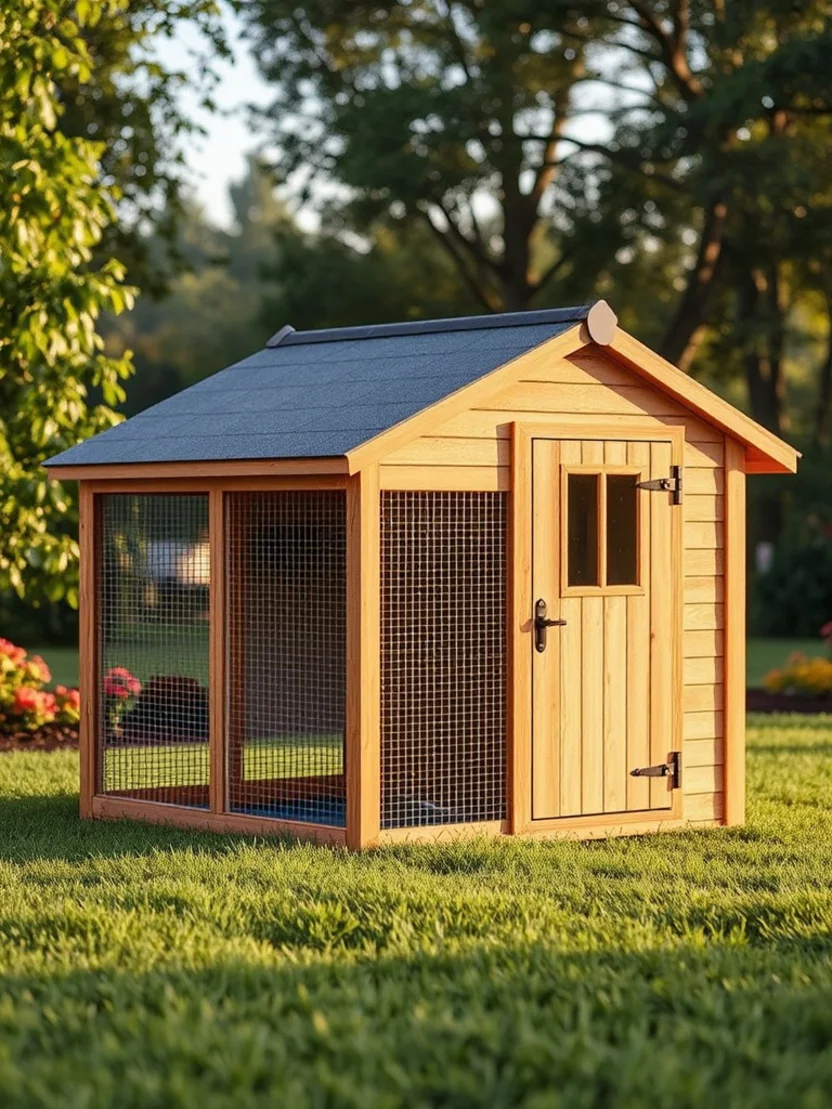
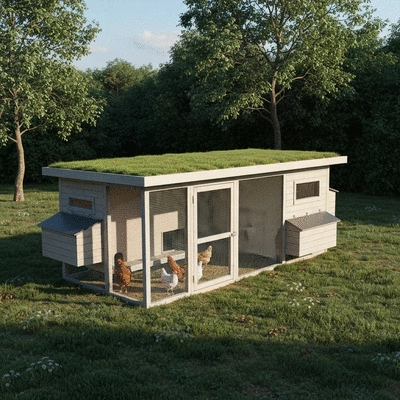
Mono-Slope Roof Design
A single slanted surface promotes efficient water runoff, preventing pooling and leaks. Crucial for heavy rainfall.
Welcome to American Chicken Coops, your trusted resource for happy, healthy backyard chickens!
Jun 06
Did you know that the design of your chicken coop can significantly affect the health and happiness of your flock? Discover how a mono-slope roof can be a game-changer for chicken keepers in rainy climates.
Designing a chicken coop that effectively handles wet climates requires focusing on specific elements that ensure the health and comfort of your flock.
A single slanted surface promotes efficient water runoff, preventing pooling and leaks. Crucial for heavy rainfall.
Ensures rapid drainage during intense downpours, minimizing exposure to moisture and potential damage.
Utilizing durable, waterproof materials protects the coop structure and its inhabitants from leaks and decay.
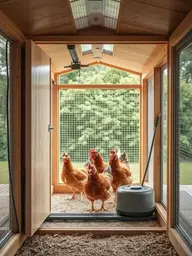
Ensures continuous airflow, reducing humidity and preventing mold growth even during prolonged damp conditions.
As a lifelong backyard chicken keeper, I've learned that the design of your chicken coop can significantly impact the health and happiness of your flock. One design that stands out, especially in rainy climates, is the mono-slope roof. This style not only enhances water drainage but also provides a functional yet aesthetically pleasing option for your backyard setup.
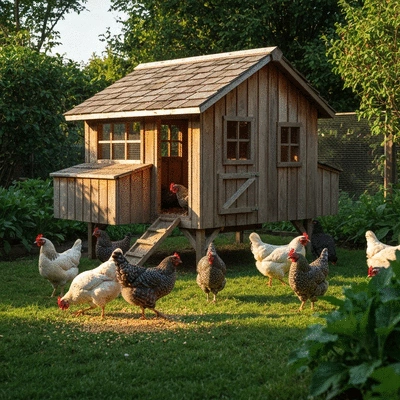
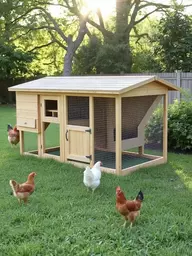
A mono-slope roof features a single slanted surface, allowing rainwater to easily flow off one side. This simple design minimizes the risk of water pooling on the roof, which can lead to leaks and structural damage. If you're grappling with the challenges of wet weather, a mono-slope roof can be an excellent choice for your chicken coop.
A mono-slope roof is characterized by its single slope, unlike traditional gabled roofs with two slants. This design is particularly effective in regions that experience heavy rainfall, as it allows for efficient water runoff. By choosing a mono-slope roof for your chicken coop, you can ensure that rainwater doesn't accumulate and create a breeding ground for mold and pests.
Moreover, the simplicity of a mono-slope design makes it a favorite among DIY builders, allowing you to create a strong, functional coop without getting overwhelmed by complex angles and structures.
When it comes to designing a chicken coop for rainy climates, the benefits of a mono-slope roof are hard to ignore. Here’s a list of just a few advantages:
These features combined make a mono-slope roof not just a practical choice, but also a smart investment for the longevity of your chicken coop. For more tips on maintaining a dry and healthy environment, check out our guide on moisture control in chicken coops.
Sustainable farming practices are becoming increasingly essential, and they play a significant role in coop design. Building a mono-slope roof chicken coop supports these principles by utilizing fewer materials and promoting natural ventilation. This not only benefits the environment but also creates a healthier space for your chickens.
By adopting a sustainable approach to your coop design, you can contribute to the overall health of your flock while fostering a more eco-friendly lifestyle. Remember, raising chickens is not just about eggs; it's about nurturing a sustainable system that benefits both your family and the planet!
What features are you most excited to incorporate into your mono-slope roof chicken coop? Share your thoughts below:
As we wrap up our discussion on designing a chicken coop that can withstand wet climates, it’s important to highlight the essential design features that will keep your flock safe and comfortable. A well-thought-out rain-ready coop isn’t just about keeping out the elements; it also involves creating a space that promotes healthy living conditions for your chickens.
Here’s a quick recap of the vital elements to consider:
By focusing on these features, you’ll not only build a sturdy coop but also create a thriving environment for your birds.
Planning a chicken coop is a rewarding venture! I can tell you from experience that a little foresight goes a long way. When designing your coop, consider how each element contributes to long-term durability and functionality. Think about how your coop will hold up against the unpredictable weather patterns that can come with any rainy season.
Don’t forget that regular maintenance is key! Checking for wear and tear, addressing leaks promptly, and ensuring your roofing is intact will help safeguard your investment. I always recommend building with both your chickens and the climate in mind, as this consideration will pay off in the long run.
At American Chicken Coops, I believe that animal welfare should be at the forefront of any coop design. It’s crucial to create an environment where your chickens can thrive, not just survive. A well-designed coop will support their needs for space, ventilation, and protection from the elements.
Incorporating animal welfare into your coop design involves:
When you prioritize these factors, you’re not only ensuring the health and happiness of your flock but also enhancing their productivity. Happy chickens make for a successful backyard operation!
Ready to take the plunge into building your own mono-slope roof chicken coop? I’ve put together a collection of DIY plans and material guides available through American Chicken Coops. These resources will help you every step of the way, from framing to roof installation. If you are looking for an easy project, consider our simple chicken coop plans for beginners.
When selecting materials, consider options that will withstand moisture and provide long-lasting protection for your flock. Remember, investing in high-quality materials now will save you headaches down the line!
I love hearing from fellow chicken keepers! Don’t hesitate to share your building experiences, tips, or challenges you faced along the way. Engaging with our community not only inspires others but also fosters a sense of camaraderie among chicken enthusiasts!
Feel free to drop your thoughts and pictures in the comments section. It’s exciting to see how everyone tailors their coops to meet their unique needs!
As you embark on this journey, think about where you’ll source your chicken feed. Finding local providers can enhance the sustainability of your flock management. Supporting local farms and feed stores not only benefits your chickens but also strengthens your community.
Explore options for organic or non-GMO feeds to ensure your chickens are receiving the best nutrition. Trust me, happy and healthy chickens will lead to delicious eggs and a fulfilling chicken-keeping experience!
Here is a quick recap of the important points discussed in the article:
By focusing on these features, you’ll not only build a sturdy coop but also create a thriving environment for your birds.
Passionate chicken keeper. Homesteading enthusiast. Advocate for sustainable living.
Harold 'Hank' Dawson is dedicated to helping U.S. backyard chicken keepers create safe and practical housing solutions, empowering beginners, homesteaders, and suburban homeowners to embrace a joyful chicken-keeping lifestyle. Join her on American Chicken Coops for reliable resources and tailored strategies that simplify your coop building and maintenance and enhance your flock's well-being.
Passionate chicken keeper. Homesteading enthusiast. Advocate for sustainable living.
Harold 'Hank' Dawson is dedicated to transforming backyards across the U.S. into thriving, safe havens for chickens, empowering fellow chicken enthusiasts to embrace a sustainable and rewarding poultry-keeping lifestyle. Join her on American Chicken Coops for daily tips and tailored strategies that simplify your coop building and maintenance and enhance the well-being of your flock.