Life Cycle of Common Chicken Pests
Mites
Eggs hatch into nymphs: 3-7 days
Nymphs mature to adults: 1-2 weeks
Lice
Eggs hatch: 7-14 days
Adults can live for several weeks
Welcome to American Chicken Coops, your trusted resource for happy, healthy backyard chickens!
Apr 16
Have you ever wondered how natural pest control can enhance the health of your chickens and the environment around them? Embracing these methods not only safeguards your feathered friends but also contributes positively to your backyard ecosystem.
Understanding the life cycles of common chicken pests and implementing effective natural control methods are crucial for maintaining a healthy flock. For comprehensive guidance on keeping your coop in top condition, check out our guide to cleaning your chicken coop.
Eggs hatch into nymphs: 3-7 days
Nymphs mature to adults: 1-2 weeks
Eggs hatch: 7-14 days
Adults can live for several weeks
When it comes to keeping our feathered friends happy and healthy, natural pest control methods are the way to go! There are many benefits to using natural methods in chicken coops, particularly regarding safety for your birds and the environment. Using safe, chemical-free techniques helps ensure that our chickens thrive without exposing them to harmful substances. Plus, it promotes a healthier ecosystem in your backyard!
By opting for natural pest control, we can also contribute to the sustainability movement, reducing our reliance on synthetic pesticides that can harm beneficial insects and wildlife. It’s a win-win situation for everyone involved!
Let’s dive a little deeper into why I advocate for natural methods in pest control. Here are some key benefits:
As someone who has spent years building coops and caring for chickens, I can assure you that choosing natural methods can greatly enhance their health and productivity. It’s a decision that truly pays off in the long run! For more insights into creating an optimal living space, consider exploring charming chicken coop ideas for flocks.
While chickens are generally hardy creatures, they can be susceptible to various pests that can impact their health. Common culprits include mites, lice, and other parasites that can lead to discomfort and decreased productivity. Mites, for instance, can cause severe itching and irritation, leading to feather loss and stress within your flock.
Additionally, these pests can spread quickly if not managed properly, affecting the overall health and well-being of your chickens. It’s essential to stay vigilant and monitor for any signs of infestation, as early detection is key to effective management.
To effectively tackle pest issues, it’s crucial to understand the life cycles of these nuisances. Mites and lice have distinct growth stages: eggs, nymphs, and adults. This knowledge can help you pinpoint the best times to implement control measures. For instance, targeting the egg stage can prevent infestations from escalating.
Here’s a quick overview of the life cycles of common chicken pests:
By understanding these life cycles, you can plan your pest management strategies more effectively, keeping your chickens happy and healthy!
Have you implemented any natural pest control methods in your chicken coop? We would love to hear your thoughts!
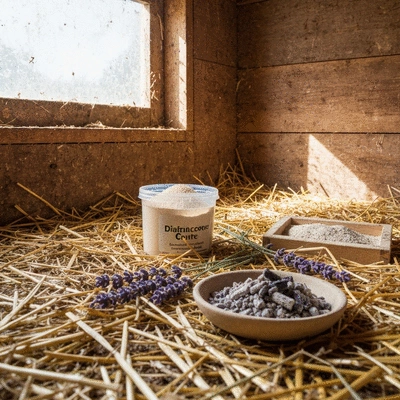
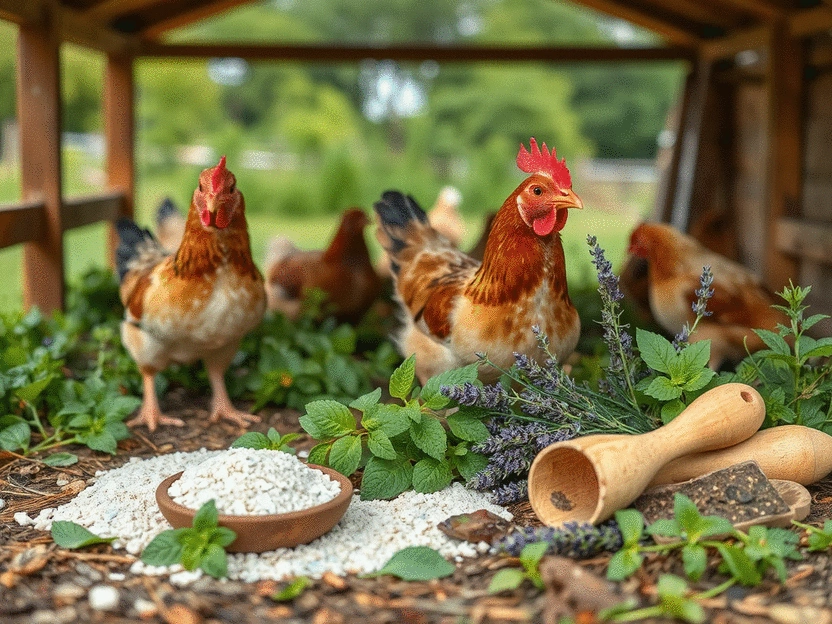
As we wrap up our discussion on natural pest control, it's essential to recap the most effective methods. Natural solutions are not only safe for your chickens but also friendlier to the environment. From using diatomaceous earth and wood ash to employing essential oils, these strategies are easy to implement and can significantly enhance your coop's health.
Here’s a quick list of key takeaways for effective natural pest control:
By implementing these strategies, you’re fostering a healthier environment for your flock and ensuring their happiness and productivity!
Don't hesitate to adopt these natural pest control strategies in your chicken coop. They are easy to apply and can make a significant difference in your flock's well-being. Remember, the health of your chickens is directly linked to your coop's environment, so ongoing monitoring and adjustments are crucial for long-term success.
Whether you’re a seasoned chicken keeper or just starting out, every little effort counts! Make sure to observe how your chickens respond to the changes you implement, and feel free to tweak your methods as needed. For more tips on maintaining a healthy environment, consider our advice on improving chicken coop air quality.
I’d love to hear from you! Have you tried any of these natural pest control methods? What has worked for you? Sharing your experiences not only helps others but also fosters a vibrant community of chicken enthusiasts eager to support one another.
Leave your tips and stories in the comments below, and let’s continue to learn from each other’s journeys in backyard chicken keeping. Together, we can create safe and thriving homes for our feathered friends!
Here is a quick recap of the important points discussed in the article:
A: Natural pest control methods are non-toxic, ensuring the safety of your chickens and preventing exposure to harmful chemicals. They also reduce environmental impact by avoiding chemical runoff and protecting beneficial insects and local wildlife. Plus, many natural remedies are cost-effective and readily available.
A: The most common pests affecting chicken coops are mites and lice. These parasites can cause irritation, feather loss, and decreased productivity in your flock. Early detection and understanding their life cycles are key to effective management.
A: Knowing the life cycles of pests (eggs, nymphs, adults) allows you to time your control measures more effectively. For instance, targeting pests during their egg or nymph stages can prevent a full-blown infestation, as these are often vulnerable stages.
A: Effective natural remedies include diatomaceous earth (a dehydration agent), wood ash (repels bugs and provides a dust bath), essential oils like lavender and cedar (deter pests), garlic and apple cider vinegar (support gut health and aid pest management), and neem oil (an eco-friendly option against various pests).
A: Food-grade diatomaceous earth is generally considered safe for chickens when used as directed. It works by physically dehydrating pests. When applying, it's best to wear a mask to avoid inhaling the fine dust, and apply it to the coop environment rather than directly on the chickens' feed or water in large quantities.
Passionate chicken keeper. Homesteading enthusiast. Advocate for sustainable living.
Harold 'Hank' Dawson is dedicated to helping U.S. backyard chicken keepers create safe and practical housing solutions, empowering beginners, homesteaders, and suburban homeowners to embrace a joyful chicken-keeping lifestyle. Join her on American Chicken Coops for reliable resources and tailored strategies that simplify your coop building and maintenance and enhance your flock's well-being.
Passionate chicken keeper. Homesteading enthusiast. Advocate for sustainable living.
Harold 'Hank' Dawson is dedicated to transforming backyards across the U.S. into thriving, safe havens for chickens, empowering fellow chicken enthusiasts to embrace a sustainable and rewarding poultry-keeping lifestyle. Join her on American Chicken Coops for daily tips and tailored strategies that simplify your coop building and maintenance and enhance the well-being of your flock.