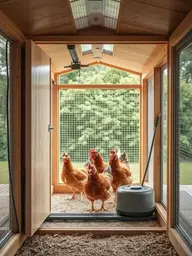
Daily Tasks: Essential Upkeep
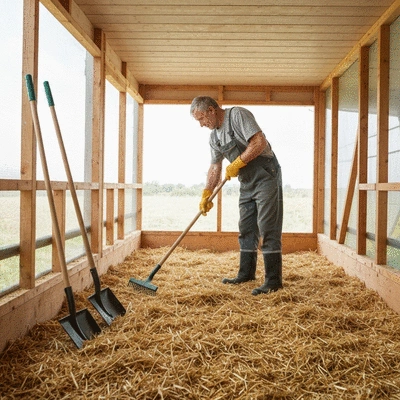
Remove droppings, check food & water, inspect for pests.
Focus: Immediate Hygiene
Welcome to American Chicken Coops, your trusted resource for happy, healthy backyard chickens!
May 22
Have you ever wondered how to keep your backyard chickens happy and healthy? A well-designed chicken coop interior is key to ensuring their comfort and cleanliness. Let’s explore some essential design principles that will help you create an efficient and easy-to-clean space for your flock!
This visual outlines a practical workflow for maintaining a clean and healthy chicken coop by categorizing essential tasks into daily, weekly, and monthly routines, complemented by key design principles and tools. For more detailed guidance on maintaining a sanitary environment, check out our cleaning your chicken coop guide.
Remove droppings, check food & water, inspect for pests.
Change bedding, clean feeders & waterers, wipe surfaces.
Scrub walls, clean run, check structural integrity.
When it comes to raising happy and healthy chickens, the interior design of your coop plays a crucial role. A well-thought-out coop design not only ensures cleanliness but greatly impacts the overall hygiene and health of your flock. Trust me, I’ve seen firsthand how proper design can lead to happier chickens and less work for the owner!
Fostering a clean environment is essential for preventing diseases and keeping your birds comfortable. This means paying attention to how you organize and maintain the interior of your coop. Remember, a clean coop makes for a happy hen!
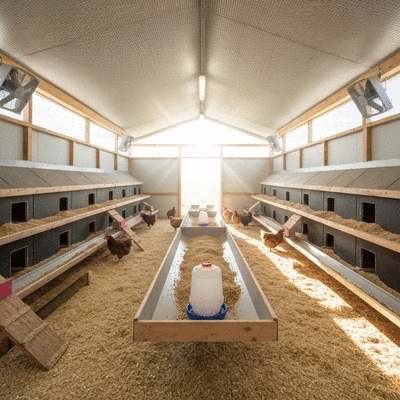
One of the main goals of designing your chicken coop is to make sure it's easy to clean. A thoughtfully designed interior encourages good hygiene practices and minimizes the risk of disease. Effective coop design allows for better airflow and easier access to different areas, making cleaning quicker and more efficient. For those looking for inspiration, explore various charming chicken coop ideas for flocks.
Moreover, having an organized space helps you keep track of maintenance tasks and spot any potential issues before they escalate. So, investing time in the interior design of your coop will pay off in the long run!
Before jumping into construction, it's vital to determine what your flock needs. This means considering the size and layout of your coop based on your chicken population and available space. A good rule of thumb is to allow at least 4 square feet per bird inside the coop and an outdoor run of at least 10 square feet per chicken.
By taking the time to evaluate these factors, you’ll create a coop that meets both your needs and those of your chickens, leading to a more productive and enjoyable experience!
Now that we’ve covered the basics of coop design, let’s dive into layout planning. Having an efficient and logical layout is key to keeping your coop clean and easy to maintain. After all, no one wants to wrestle with stubborn corners or cramped spaces when it comes time to tidy up!
When planning your coop, think about how you can maximize space while minimizing effort during cleaning. Here are some essential design principles to keep in mind:
By applying these principles, you’ll create an interior that not only looks good but also promotes the health of your chickens and makes your life easier!
Let’s delve deeper into some of the design principles that can help you streamline the cleaning process. A coop should be functional and practical, allowing you to perform maintenance tasks with ease and efficiency.
By focusing on these design elements, you can create a coop that simplifies your cleaning routine and keeps your flock healthy!
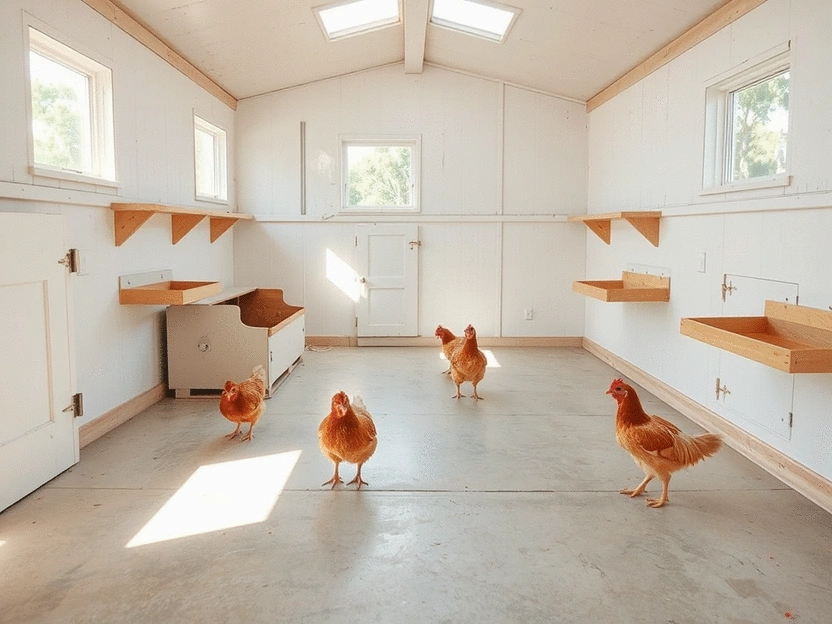
Having designated zones within your chicken coop helps streamline your cleaning process. By organizing areas for feeding, nesting, and roosting, you can minimize mess and make it easier to maintain hygiene.
Incorporating these logical zones will not only keep your coop tidy but also enhance the comfort of your chickens, leading to a happier and healthier flock overall!
We’d love to hear from you! What feature do you find most important when designing your chicken coop? Select one option below:
Keeping your chicken coop clean is essential for the health of your flock and the overall well-being of your backyard farm! Establishing a regular cleaning routine can help you maintain a safe and comfortable environment for your chickens. In my experience, I've found that a structured approach to cleaning makes all the difference.
Here’s a practical cleaning workflow that I recommend based on my years of coop building and maintenance:
By breaking tasks down into daily, weekly, and monthly segments, you’ll find it easier to stay on top of cleaning duties and reduce the chance of overwhelming yourself! For more detailed guidance, consider our article on how to deep clean your chicken coop.
Having the right tools can make the cleaning process much smoother and more effective. Here are some essential cleaning tools that every chicken keeper should consider:
Utilizing these tools regularly will help maintain a hygienic environment for your chickens. Remember, a clean coop means healthier birds and more productive laying!
As someone who has built dozens of coops, I've seen my fair share of mistakes that can lead to hygiene issues. Here are some common pitfalls to avoid:
By being mindful of these mistakes, you can create a more functional and easy-to-maintain coop that keeps your chickens healthy and happy!
Here are some frequently asked questions about designing and maintaining a clean chicken coop:
At the end of the day, a well-designed coop interior goes beyond aesthetics; it can significantly impact your flock's health and your cleaning routine. Prioritizing cleanliness and functionality leads to happier chickens and a more enjoyable chicken-keeping experience!
Remember to consider the design choices we've discussed, and don't hesitate to reach out if you have questions or need help with your chicken coop project! Your chickens are counting on you.
Now that you have a solid understanding of how to implement a cleaning routine and design your coop for easy maintenance, it’s time to put those insights into action! Whether you're building a new coop or renovating an existing one, keep your flock's unique needs in mind. I encourage you to dive in, get your hands dirty, and enjoy the rewarding journey of chicken keeping with a well-thought-out coop!
Here is a quick recap of the important points discussed in the article:
Passionate chicken keeper. Homesteading enthusiast. Advocate for sustainable living.
Harold 'Hank' Dawson is dedicated to helping U.S. backyard chicken keepers create safe and practical housing solutions, empowering beginners, homesteaders, and suburban homeowners to embrace a joyful chicken-keeping lifestyle. Join her on American Chicken Coops for reliable resources and tailored strategies that simplify your coop building and maintenance and enhance your flock's well-being.
Passionate chicken keeper. Homesteading enthusiast. Advocate for sustainable living.
Harold 'Hank' Dawson is dedicated to transforming backyards across the U.S. into thriving, safe havens for chickens, empowering fellow chicken enthusiasts to embrace a sustainable and rewarding poultry-keeping lifestyle. Join her on American Chicken Coops for daily tips and tailored strategies that simplify your coop building and maintenance and enhance the well-being of your flock.