
Common Winter Problem: Moisture
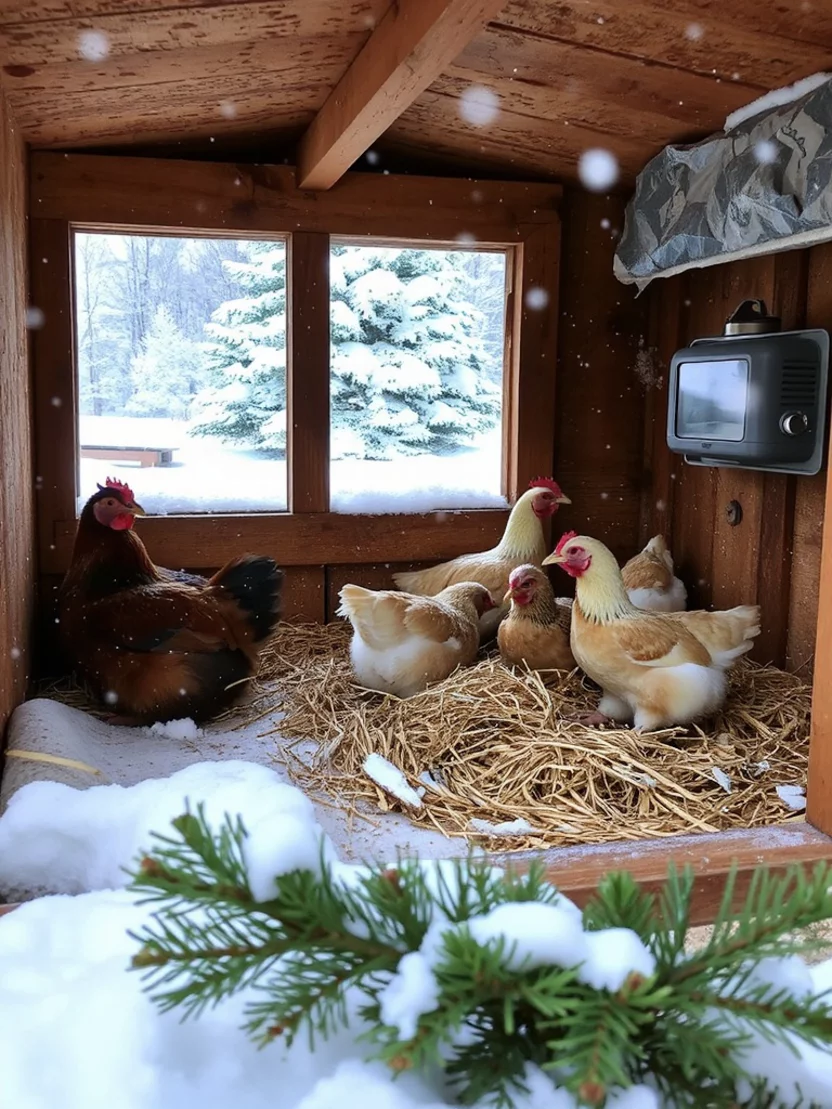
Moisture buildup is a critical threat leading to frostbite and ammonia buildup. It primarily comes from chicken respiration and droppings.
Impact: Frostbite & Ammonia
Welcome to American Chicken Coops, your trusted resource for happy, healthy backyard chickens!
Jun 27
As winter approaches, preparing your chicken coop becomes crucial for the health and happiness of your flock. It’s not just about keeping them warm; it's about managing moisture and providing proper nutrition. Here’s what you need to know to ensure your chickens thrive during the cold months.
Understanding the key problems and effective strategies for winterizing your chicken coop to ensure a healthy flock.
Moisture buildup is a critical threat leading to frostbite and ammonia buildup. It primarily comes from chicken respiration and droppings.
High ventilation manages moisture and keeps drafts low. Use top vents for moist air escape and adjustable vents for temperature control.
Rhode Island Red, Plymouth Rock, Orpington adapt well, resisting frostbite and maintaining health and egg production.
Increased energy needs in cold weather call for high-quality feed, cracked corn, fresh water, and potentially electrolytes.
As the chill of winter approaches, it’s essential to prepare your chicken coop for the unique challenges that cold weather brings. One of the biggest threats to your feathered friends is moisture build-up. Moisture can lead to critical issues like frostbite and ammonia buildup, both of which can severely impact the health of your flock. Let’s delve into the common winter problems you might face in your chicken coop and how to tackle them effectively!
Winter can be a tough season for chickens, especially if their living environment isn’t properly maintained. Here are some common issues that I’ve encountered over the years:
By being aware of these challenges, you can take proactive steps to keep your coop safe and your chickens healthy during winter. Preventing these issues before they arise is key to a successful winter! For more guidance on coop maintenance, consider reading our Guide to Cleaning Your Chicken Coop.
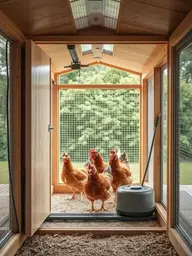
Now, you might think that keeping the coop tightly sealed is the best way to fend off the cold. However, maintaining proper ventilation is vital for your chickens' health. High ventilation helps manage moisture from chicken respiration and droppings while keeping drafts low. Here’s how you can ensure adequate airflow:
Remember, ventilation doesn’t mean leaving your coop wide open! It’s all about finding that perfect balance between airflow and warmth.
Another way to enhance your chances of a successful winter is by selecting cold-hardy chicken breeds. Breeds like the Rhode Island Red, Plymouth Rock, and Orpington not only adapt well to colder climates but also tend to be more resilient against frostbite and other winter-related issues. Consider these benefits of choosing the right breeds:
By choosing the right breeds, you’ll set your flock up for success, ensuring they thrive even in the toughest winter conditions! For more insights on improving air quality, see our post on Improving Chicken Coop Air Quality.
As we prepare our chicken coops for the winter months, we'd love to hear from you! What is your go-to strategy for keeping your chickens safe and healthy during the cold? Choose one of the options below:
Here are some common questions to help you further understand and prepare your chicken coop for winter:
As we wrap up our discussion on winterizing your chicken coop, let's recap the main strategies for managing moisture and ensuring your flock stays healthy during the cold months. Balancing ventilation and draft management is crucial to preventing frostbite and ammonia buildup. By implementing effective techniques such as sealing drafts while maintaining airflow, you can create a safe haven for your chickens.
Another essential aspect is the use of deep bedding, which not only insulates your coop but also helps manage moisture levels. Remember, regular water changes and proper hydration are key to your chickens’ well-being during winter. These strategies will help your flock thrive even in the chilliest of temperatures!
As winter starts to fade, it’s time to think about transitioning your coop into spring. Here are a few tips to help you freshen things up:
These steps will not only prepare your coop for warmer weather but also ensure that your chickens remain comfortable and healthy as they enjoy the spring sunshine! For details on maintaining specific elements, explore our guide on Maintaining Chicken Coop Feeders.
I believe that sharing experiences and knowledge within our chicken-raising community can be incredibly beneficial! I encourage you to share your winterization tips and stories in the comments below or connect with us on social media. What worked well for you? Maybe you have a unique trick that others could benefit from! Together, we can all learn and improve the way we care for our feathered friends.
During winter, it’s essential to monitor and adjust the nutritional needs of your chickens. Cold weather can increase their energy requirements, so consider making these adjustments:
By paying attention to their nutritional needs during winter, you can help your chickens stay healthy and happy, ready to lay those delicious eggs when spring arrives!
Here is a quick recap of the important points discussed in the article:
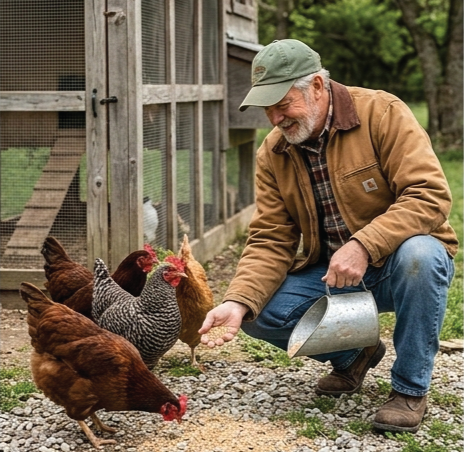
Passionate chicken keeper. Homesteading enthusiast. Advocate for sustainable living.
Harold 'Hank' Dawson is dedicated to helping U.S. backyard chicken keepers create safe and practical housing solutions, empowering beginners, homesteaders, and suburban homeowners to embrace a joyful chicken-keeping lifestyle. Join her on American Chicken Coops for reliable resources and tailored strategies that simplify your coop building and maintenance and enhance your flock's well-being.
Passionate chicken keeper. Homesteading enthusiast. Advocate for sustainable living.
Harold 'Hank' Dawson is dedicated to transforming backyards across the U.S. into thriving, safe havens for chickens, empowering fellow chicken enthusiasts to embrace a sustainable and rewarding poultry-keeping lifestyle. Join her on American Chicken Coops for daily tips and tailored strategies that simplify your coop building and maintenance and enhance the well-being of your flock.