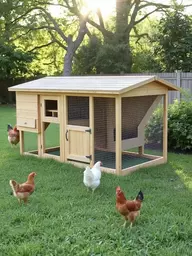
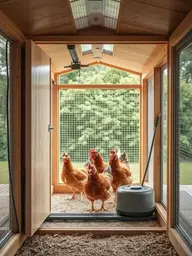
Choosing the right foundation for your chicken coop can significantly impact the health and safety of your flock. With expert insights from over 35 years of experience, this guide illuminates the essential factors to consider, ensuring your feathered friends thrive in a secure environment.
What You Will Learn
A solid foundation protects chickens from predators and harsh weather.
Moisture control is critical; elevated foundations help prevent mold and disease.
Soil type affects foundation stability; clay, sandy, and loamy soils each have unique considerations.
Skid foundations offer mobility but require regular maintenance to prevent rot.
Concrete blocks provide durability and resistance to moisture, making them a long-term investment.
Effective drainage solutions are essential for maintaining a healthy environment in the coop.
Predator-proofing techniques are crucial regardless of the foundation type you choose.
Chicken Coop Foundation Choices
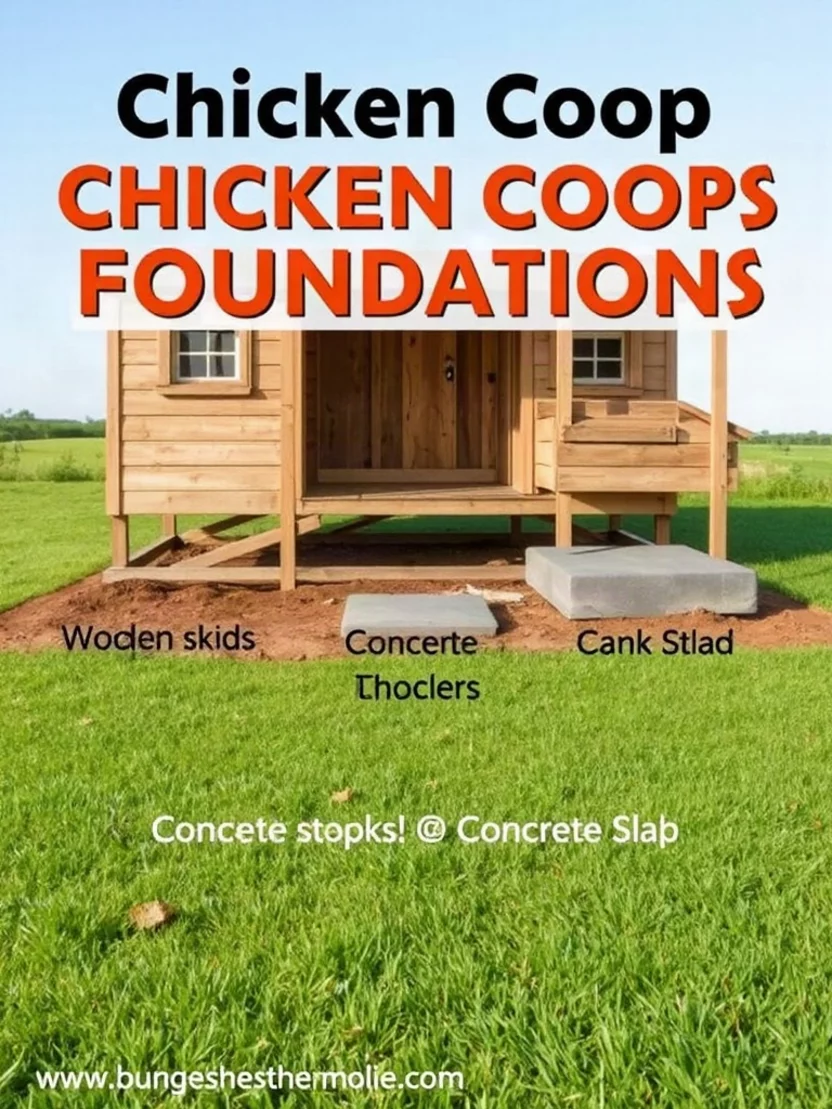
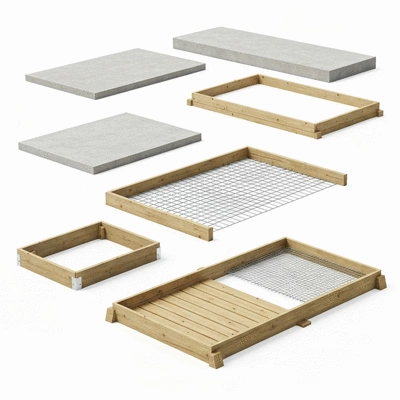
Selecting the right foundation is pivotal for your chicken coop's longevity, predator protection, and moisture control. Below is a comparison of common foundation types, highlighting their key attributes and ideal use cases. For those just starting out, a good foundation is a crucial first step in your beginner's guide to chicken coops.
Skid Foundation
Advantages: Cost-effective, easy to construct, allows for easy relocation of the coop. Ideal for adapting to fresh pasture.
Disadvantages: May lack stability in high winds, potential for rot if not properly maintained. Less permanent.
Best suited for: Mobile coops, dry climates, smaller coops, budget-conscious builders.
Mobile
Concrete Block Foundation
Advantages: Durable, stable, resistant to moisture and pests, provides good elevation.
Disadvantages: Can be more expensive and labor-intensive to install, less flexibility for relocation.
Best suited for: Semi-permanent coops, areas with heavy rains or unstable soil, medium-sized coops.
Durable
Concrete Base Foundation
Advantages: Excellent longevity, superior moisture management, strong freeze resistance, very stable and predator-proof.
Disadvantages: Higher initial cost and labor, permanent installation, no relocation flexibility.
Best suited for: Permanent coops, large coops, wet/variable climates, long-term investment.
Permanent
Key Factors for Decision
Soil Type
Weight of Coop
Local Climate
Budget & Labor
Understanding Chicken Coop Foundations: Choosing the Right Base
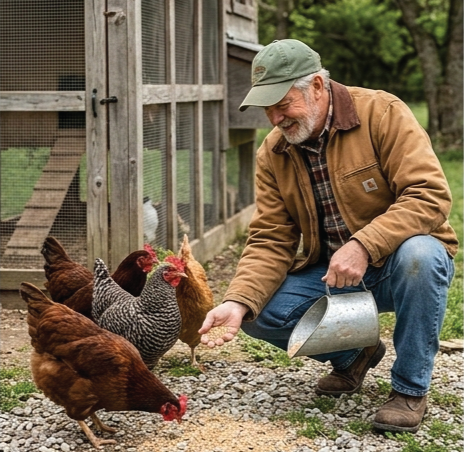
When it comes to building a chicken coop, selecting the right foundation is crucial for the health and happiness of your feathered friends! A solid foundation not only supports the structure but also protects your chickens from predators and harsh weather conditions. Trust me, after 35 years of raising chickens, I can tell you that a strong base can make all the difference in ensuring your flock thrives!
In this section, we'll explore why a sturdy foundation is essential and what factors you should consider to make the best choice for your coop. Let's dive in!
Exploring the Importance of a Solid Foundation for Your Chicken Coop
A good foundation is the backbone of your chicken coop. It provides stability and helps prevent moisture accumulation that can lead to serious health issues for your flock. Here are some key reasons why a solid foundation is important:
Protection Against Predators: A well-built foundation deters critters from digging into your coop, keeping your chickens safe. Learn more about predator-proof chicken coop ideas to enhance your coop's security.
Moisture Control: Elevated foundations help prevent water from pooling around the coop, reducing the risk of mold and disease.
Longevity: A durable foundation extends the life of your chicken coop, saving you time and money in the long run.
As I’ve learned over the years, putting in the effort to establish a reliable foundation pays off greatly and gives you peace of mind knowing your chickens are secure.
Key Factors to Consider When Selecting Your Chicken Coop Foundation
Choosing the right foundation involves a few critical considerations. Here’s what to keep in mind:
Soil Type: Different soil conditions can influence the stability of your foundation.
Weight of the Coop: Heavier coops require a stronger foundation to support their structure.
Climate: Your local weather conditions can affect foundation choice; wet areas may benefit from elevated options.
By assessing these factors, you'll be better equipped to decide which type of foundation will serve your coop best.
How Soil Type Affects Your Chicken Coop Foundation Choice
Your local soil type plays a significant role in the foundation you should choose. For example, sandy soils drain well but may not hold a foundation as securely, while clay soils may retain moisture, leading to potential issues. Here's a quick overview of how soil types impact your choices:
Sandy Soil: Excellent drainage but may require additional support.
Clay Soil: Poor drainage; it’s crucial to elevate your coop to avoid moisture problems.
Loamy Soil: Ideal for coop foundations; it balances drainage and stability.
Remember, understanding your soil type can really help you avoid common pitfalls and ensure your chickens are happy and healthy!
Comparing Foundation Types: Skids, Blocks, and Concrete Bases
Each type of foundation offers its own set of advantages and disadvantages. As we explore these options, keep your specific needs and environment in mind!
Skids: Advantages and Disadvantages
Skid foundations are a popular choice among backyard chicken keepers, including myself! They offer easy mobility but come with their own set of challenges. Here are some pros and cons:
Advantages:
Cost-effective and easy to construct.
Allows for flexibility in relocating the coop.
Disadvantages:
May not provide enough stability in high winds.
Potential for rot if not properly maintained.
Considering both sides is essential to determine if skids are the right fit for your chicken coop!
Cost and Labor Considerations for Skid Foundations
When assessing skid foundations, cost and labor are often primary concerns. Typical costs for skids are lower than other options, making them attractive for budget-conscious builders. However, take into account the labor involved in ensuring they are correctly placed and maintained to maximize their effectiveness.
Mobility and Flexibility of Skids for Chicken Coops
One of the major perks of using skids is the ability to move your coop easily. This flexibility allows you to reposition your chickens to access fresh grass and reduce wear on your yard, promoting healthier pastures!
Wooden Skids: Durability and Maintenance Considerations
While wooden skids are a practical choice, they do require maintenance. Regular inspections for rot and applying protective treatments can ensure your skids last longer and continue to provide the necessary support for your coop.
Concrete Blocks: Pros and Cons for Your Coop’s Foundation
Concrete blocks offer a different set of benefits and drawbacks. They provide a more permanent solution but come with their own labor and cost considerations. Here’s what you need to know:
Pros:
Incredibly durable and stable.
Resistant to moisture and pests.
Cons:
Can be more expensive to install.
Less flexibility for relocation.
It’s all about weighing the long-term benefits against your current needs!
Durability and Stability of Concrete Block Foundations
Concrete blocks are known for their strength and stability, making them a solid choice in areas with heavy rains or unstable soil. They stand up well against natural elements, which is something I truly appreciate as I’ve seen many coops withstand storms thanks to a secure foundation.
Installation Process and Time for Concrete Block Bases
The installation of concrete blocks requires careful planning and can be labor-intensive. However, once in place, you’ll have a foundation that can last for decades with proper care!
Pressure-Treated Wood vs. Concrete Blocks: Which is Better?
While pressure-treated wood can offer some benefits, it often doesn’t match the durability of concrete blocks. If you want a foundation that requires minimal maintenance and can withstand moisture, concrete blocks are generally the better investment.
Concrete Bases: The Long-Term Investment
Concrete bases are often considered a long-term investment for chicken coops. They provide sturdy support and can be very cost-effective over time! Let’s evaluate why they might be the ideal choice for you:
Longevity: Concrete foundations can last for decades, reducing the need for replacement.
Moisture Management: Properly poured concrete can help manage excess moisture and prevent rot.
Freeze Resistance: A well-constructed concrete base can help reduce issues related to frost heave.
All of these factors contribute to a safe and stable environment for your chickens!
Comparative Costs and Lifespan of Concrete Foundations
While the initial costs for concrete can be higher than other options, the lifespan and lack of ongoing maintenance make concrete a wise choice for the dedicated chicken keeper!
Addressing Frost Heave and Moisture Management with Concrete
Concrete bases are great at addressing frost heave, especially if you pour and finish them correctly. Ensuring that your concrete is elevated can also help manage moisture, creating a healthier environment for your flock!
Concrete Slab Foundations: Benefits for Chicken Coop Stability
Using a concrete slab not only stabilizes your coop but also creates a smooth floor that can be easier to clean. A solid foundation lets you focus on what you love—raising happy and healthy chickens!
Practical Considerations for Each Foundation Type
Now that we’ve covered the various foundations, let’s focus on some practical considerations that apply regardless of which type you choose. Ensuring your foundation works well for your chickens includes managing drainage, security, and anchoring against the elements.
Drainage and Leveling: Essential for All Foundation Types
Effective drainage and leveling are crucial components of any chicken coop foundation. Poor drainage can lead to a host of issues, from muddy floors to health problems for your flock. For comprehensive strategies, refer to our guide on moisture control in chicken coops.
Effective Drainage Solutions to Prevent Moisture Issues
To maintain a healthy environment, consider incorporating drainage solutions, such as:
Gravel beds beneath the foundation.
Drains directing runoff away from the coop.
Sloped land around the coop to encourage water flow.
Taking these steps can help manage excess moisture and keep your coop dry!
Predator Proofing: Keeping Your Chickens Safe from Threats
Regardless of your foundation choice, predator-proofing is essential. Installing hardware cloth around the base and ensuring that the coop is elevated can go a long way in protecting your chickens from unwanted visitors.
Wind and Storm Anchor Requirements for Stability
Strong winds and storms can pose a risk to your coop, so it’s important to anchor your structure properly. This can be accomplished through various means, such as:
Using stakes and straps to secure the coop.
Pouring concrete footings for additional support.
These measures ensure that your coop remains intact in inclement weather!
Foundation Footings: Essential for Structural Integrity
Footings are vital for maintaining the integrity of your coop. By pouring concrete below the frost line, you’ll give your coop the strength needed to withstand the elements and provide a safe haven for your chickens.
Installation Insights: Step-by-Step Guide to Building Your Foundation
As we move toward the installation process, it’s crucial to follow specific steps to ensure your foundation is built correctly. Let's explore how to get your foundation ready!
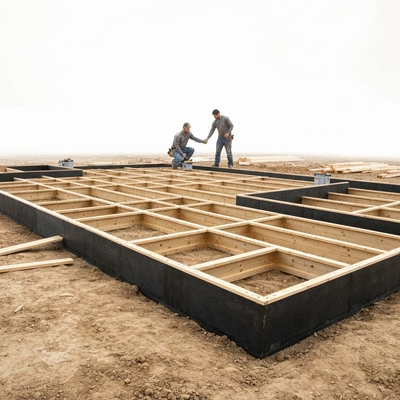
Foundation Preparation: Site Selection and Ground Preparation
Choosing the right site is the first step in building your foundation. You’ll want to find a location that is level and receives adequate sunlight. Pay attention to:
Soil stability and type.
Proximity to water sources for easy access.
Protection from harsh winds and extreme weather.
Preparing the ground properly will set the stage for a successful foundation!
Trenching Techniques for Effective Ground Preparation
If you’re building a deeper foundation, consider trenching techniques. This involves digging down to the appropriate depth to ensure stability and prevent issues related to frost and moisture.
Foundation Setup Techniques: Ensuring Leveling and Stability
After site selection and ground preparation, setting up your foundation involves careful planning and execution to ensure everything is level. Use tools like a level and string lines to help with this process.
Common Mistakes to Avoid When Building Your Coop Foundation
Lastly, let’s discuss some common pitfalls to avoid, such as:
Neglecting to check for level before pouring concrete.
Not considering local soil conditions.
Overlooking the importance of drainage.
By avoiding these mistakes, you'll be well on your way to building a solid foundation for your chicken coop that your flock will thank you for!
Interactive Poll: Your Foundation Choice!
Now that you’ve learned about the different types of foundations for chicken coops, we want to hear from you! Which foundation are you considering for your coop?
Making the Right Choice for Your Chicken Coop Foundation
Choosing the right foundation for your chicken coop is crucial! Each type has its own unique set of advantages and disadvantages. Let’s break down the key differences among skids, blocks, and concrete so you can make an informed decision.
Summarizing Key Differences: Skids vs. Blocks vs. Concrete
Skids: These provide mobility and can be relatively inexpensive, but may require more upkeep over time.
Concrete Blocks: Known for their durability and stability, but installation can be labor-intensive.
Concrete Bases: While they require a higher upfront investment, they offer excellent long-term stability and moisture management.
When selecting a foundation, consider how each type aligns with your specific needs. For example, if you’re looking for a portable option, skids might be the best choice. Conversely, if you want a permanent structure that withstands the elements, concrete might be your go-to.
Guidance for Your Climate and Soil Conditions: Which Foundation Type is Best?
Climate plays a significant role in your foundation choice. In areas with heavy rainfall, a solid concrete base can help prevent flooding and moisture-related issues. On the other hand, if you live in a dry climate, skids or blocks might suffice.
Wet Climates: Concrete bases are ideal for drainage and moisture control.
Dry Conditions: Skids or blocks can offer sufficient stability without heavy construction.
Variable Conditions: Concrete blocks provide a balance of durability and adaptability.
Evaluate your local soil types as well. For instance, sandy soils drain well but can be unstable, making a concrete foundation more suitable. Conversely, clay-heavy soils retain moisture, and a raised skid foundation might be beneficial to keep your coop dry.
Evaluating Coop Size and Location for Optimal Foundation Choice
The size of your chicken coop and its location also matter! A larger coop may need a more robust foundation to support its structure, while smaller coops could be fine with skids. Consider these factors:
**Size of Coop:** Larger coops benefit from the stability of concrete.
**Location:** Assess the ground condition and accessibility for building materials.
**Future Expansion:** If you plan to expand your flock, opt for a foundation that can accommodate growth.
By thoroughly evaluating these elements, you can confidently select the foundation type that will provide a safe and sturdy home for your feathered friends!
Frequently Asked Questions About Chicken Coop Foundations
Here are some common questions to help you further understand and choose the best foundation for your chicken coop:
Why is a solid foundation essential for a chicken coop? A solid foundation is essential for protecting your flock from predators, ensuring stability against weather conditions, and preventing moisture buildup that can lead to mold and disease.
What are the main types of chicken coop foundations? The main types discussed are skid foundations (mobile, cost-effective), concrete block foundations (durable, stable, semi-permanent), and concrete base foundations (long-lasting, superior moisture management, permanent).
How does soil type affect foundation choice? Soil type significantly impacts stability and drainage. Sandy soils drain well but may need extra support, clay soils retain moisture requiring elevation, and loamy soils offer an ideal balance of drainage and stability.
What are the advantages of a skid foundation? Skid foundations are cost-effective, easy to construct, and allow for easy relocation of the coop, making them ideal for adapting to fresh pasture.
What are the benefits of a concrete base foundation? Concrete base foundations offer excellent longevity, superior moisture management, strong freeze resistance, and are very stable and predator-proof, making them a long-term investment.
How can I protect my chicken coop from predators? Regardless of the foundation type, predator-proofing is crucial. This includes installing hardware cloth around the base and ensuring the coop is elevated to deter digging animals.
What drainage solutions are recommended for chicken coop foundations? To prevent moisture issues, consider gravel beds beneath the foundation, drains to direct runoff away from the coop, and sloped land around the coop to encourage water flow.
Next Steps for Your Chicken Coop Project
Now that you have a clearer picture of the foundation options for your chicken coop, let's look at how to proceed with the actual building process!
Further Resources: Where to Find Additional Information and Support
At American Chicken Coops, I provide a wealth of resources to help you along the way. From detailed tutorials to product reviews, you’ll find everything you need to confidently tackle your chicken coop project. Be sure to check out the latest articles and guides on our website!
Exploring Chicken Coop Designs to Fit Your Foundation Type
Once you’ve chosen your foundation, it's time to think about the coop design. Different foundations may influence the style and layout of your coop. For instance, a concrete slab might integrate well with a modern coop design, while skids allow for a more traditional look. Don't hesitate to explore the various blueprints available on American Chicken Coops, including simple chicken coop plans for beginners.
Call to Action: Share Your Foundation Experiences and Questions
Have you built a chicken coop foundation before? I would love to hear about your experiences! Share your stories, challenges, or questions in the comments below. Together, we can create a supportive community for all backyard chicken keepers!
Recap of Key Points
Here is a quick recap of the important points discussed in the article:
A solid foundation is crucial for protecting chickens from predators and moisture-related health issues.
Consider soil type, coop weight, and local climate when selecting a foundation type.
Skid foundations offer mobility but may require more maintenance; concrete bases provide durability and longevity.
Effective drainage solutions are essential to prevent moisture accumulation around the coop.
Predator-proofing and proper anchoring are vital for maintaining coop stability against the elements.
Harold 'Hank' Dawson
Passionate chicken keeper. Homesteading enthusiast. Advocate for sustainable living.
Harold 'Hank' Dawson is dedicated to helping U.S. backyard chicken keepers create safe and practical housing solutions, empowering beginners, homesteaders, and suburban homeowners to embrace a joyful chicken-keeping lifestyle. Join her on American Chicken Coops for reliable resources and tailored strategies that simplify your coop building and maintenance and enhance your flock's well-being.
Passionate chicken keeper. Homesteading enthusiast. Advocate for sustainable living.
Harold 'Hank' Dawson is dedicated to transforming backyards across the U.S. into thriving, safe havens for chickens, empowering fellow chicken enthusiasts to embrace a sustainable and rewarding poultry-keeping lifestyle. Join her on American Chicken Coops for daily tips and tailored strategies that simplify your coop building and maintenance and enhance the well-being of your flock.