Jul 28
Insulated Chicken Coop Plans for Winter
Did you know that a well-insulated chicken coop can significantly improve the health and productivity of your flock during the harsh winter months? Ensuring your chickens stay warm and comfortable is crucial for their well-being, and it all starts with understanding the importance of insulation.
What You Will Learn
- Proper insulation regulates temperature, reducing stress on chickens.
- Good insulation prevents moisture buildup, decreasing the risk of respiratory issues.
- Understanding winter challenges, such as frozen water sources and increased predator risks, is key for preparation.
- Essential strategies for frostbite prevention include maintaining warmth and providing adequate bedding.
- Selecting high-quality insulation materials is vital for maximizing heat retention in the coop.
- Effective ventilation is necessary to ensure airflow while minimizing drafts that can chill your flock.
- Utilizing passive solar heating techniques can naturally warm your coop during daylight hours.
Ensuring a Winter-Ready Chicken Coop: Key Strategies
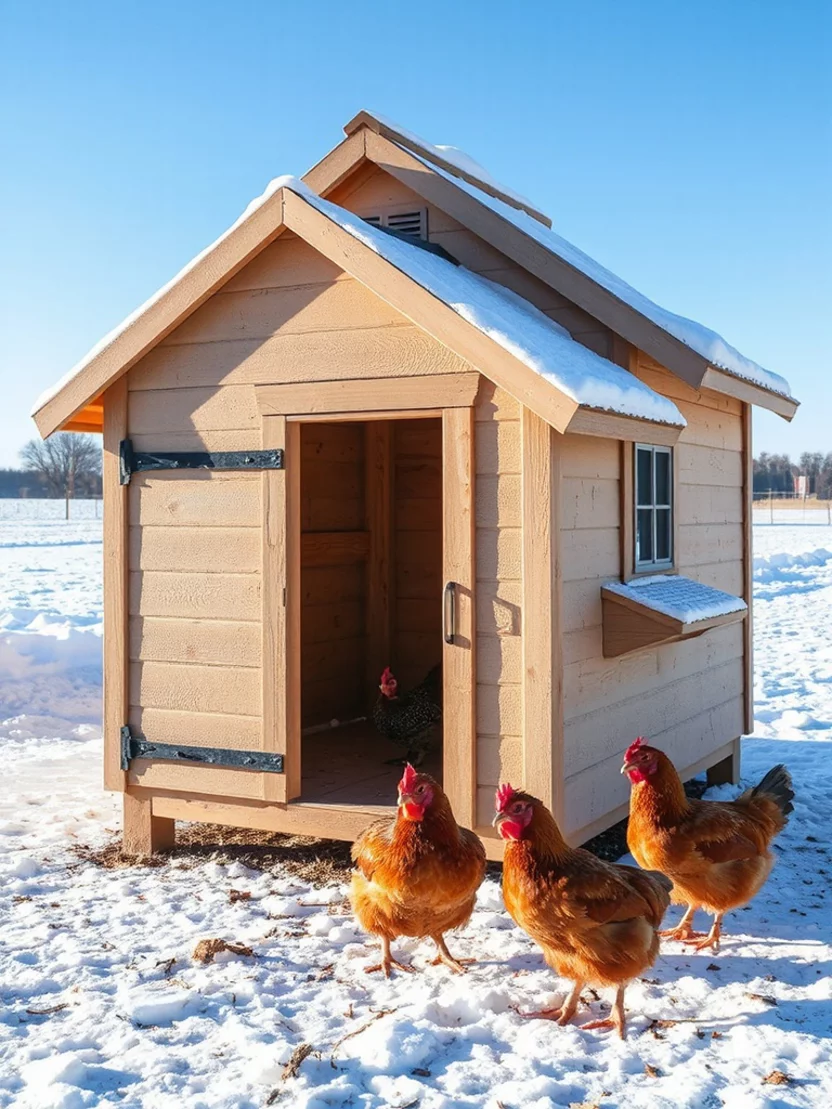
Proper insulation, strategic ventilation, and thoughtful design are crucial for maintaining a healthy and comfortable environment for your flock during cold winter months. Here are the essential features and challenges to consider. For more inspiration on designing functional and charming spaces, explore these charming chicken coop ideas for flocks.
Why Insulation Matters
- Maintains stable temp, reduces stress.
- Prevents drafts, reduces illness.
- Reduces frostbite risk.
Winter Challenges
- Extreme cold temps.
- Frozen water sources.
- Increased predator risk.
Frostbite Prevention
- Well-insulated coop.
- Adequate bedding.
- Heat lamp/pad (with vent.).
Essential Coop Features
- High-quality insulation.
- Ventilation control.
- Passive solar heating.
Understanding the Importance of Insulation in Chicken Coops for Cold Winters
As a lifelong backyard chicken keeper, I can tell you that insulation is crucial for your chickens' health, especially during those frigid winter months. When temperatures drop, ensuring your coop is properly insulated helps maintain a stable environment for your flock. It creates a warm haven that protects them from the harsh cold, which can otherwise lead to stress and health issues.
Insulation not only keeps the heat inside but also minimizes the risk of moisture buildup, which can lead to respiratory problems. Your chickens will thank you for creating a cozy, comfortable space where they can thrive, even when the weather outside is frightful!
Why Insulation Matters for Your Chickens' Health
Think of insulation as a warm blanket for your chickens! Proper insulation helps regulate the temperature inside the coop, allowing your birds to stay warm without overheating. Here are a few reasons why it matters:
- Maintains a stable temperature, reducing stress on your flock.
- Prevents drafts that can lead to illness.
- Reduces the risk of frostbite on combs and wattles.
By ensuring your coop is insulated correctly, you’re not just protecting your investment; you’re also fostering a healthier environment for your chickens, which can lead to better egg production and overall flock vitality. For more tips on maintaining a healthy coop, check out our guide on moisture control in chicken coops.
Common Winter Challenges for Chicken Owners
Winter can be a trying time for chicken owners, and understanding the potential challenges can help you prepare effectively. Some of the most common issues include:
- Extreme cold temperatures that can lead to health issues.
- Frozen water sources, making hydration a challenge.
- Increased risk of predators as chickens are more vulnerable.
These challenges may seem daunting at first, but with the right strategies, you can overcome them. By focusing on insulation and other protective measures, you can ensure that your flock remains healthy and happy throughout the winter.
Frostbite Prevention in Chickens: Essential Strategies
Frostbite is a real concern for chickens during winter months, especially for those with larger combs. To help prevent frostbite, consider implementing these essential strategies:
- Keep the coop well-insulated to maintain warmth.
- Provide adequate bedding that offers insulation from cold surfaces.
- Use a heat lamp or heated pad, but ensure proper ventilation to avoid overheating.
These simple steps can make a significant difference in your chickens' health and comfort. I’ve seen first-hand how a bit of preparation can keep your flock safe and thriving during winter!
Pro Tip
To enhance insulation in your chicken coop, consider using reflective insulation materials. These not only keep the heat inside but also reflect any radiant heat back into the space, ensuring your chickens stay warm without the need for excessive heating sources. This approach is both energy-efficient and cost-effective!
Frequently Asked Questions About Winterizing Your Chicken Coop
Why is insulation important for chicken coops in winter?
Insulation is crucial for maintaining a stable temperature inside the coop, protecting chickens from extreme cold, reducing stress, preventing drafts, and minimizing the risk of frostbite and respiratory issues caused by moisture buildup.
What are the main winter challenges for chicken owners?
Key challenges include extreme cold temperatures, frozen water sources, and an increased risk of predators due to chickens being more vulnerable in harsh weather.
How can I prevent frostbite in my chickens?
To prevent frostbite, ensure your coop is well-insulated, provide ample bedding for warmth, and consider using a heat lamp or heated pad with proper ventilation to avoid overheating.
What essential features should a cold-weather chicken coop have?
A winter-ready coop should include high-quality insulation, effective ventilation control to ensure airflow without drafts, and passive solar heating techniques to warm the coop naturally during daylight.
Can I build a cost-effective DIY winter chicken coop?
Yes, DIY options can be very cost-effective. You can repurpose materials, use simple designs, and consult local chicken-keeping groups for advice and resource sharing to build an effective coop without breaking the bank.
Recap of Essential Features for Cold Weather Coops
As we wrap up our discussion on building a winter-ready chicken coop, it's crucial to remember the key insulation and design strategies we’ve covered. A well-insulated coop can make all the difference in ensuring your chickens stay healthy and comfortable during those chilly months. Key features include proper insulation materials, effective ventilation systems, and thoughtful design elements that promote warmth while preventing moisture buildup. Understanding how to properly winterize your chicken coop effectively is a significant step towards achieving this.
- High-Quality Insulation: Choose materials like foam or reflective insulation to maximize heat retention.
- Ventilation Control: Design your coop to maintain airflow while minimizing drafts that could chill your flock.
- Solar Heating: Utilize passive solar techniques to warm your coop naturally during daylight hours.
These elements are not just about keeping your chickens warm—they're about fostering a safe and productive environment that supports their well-being throughout the winter months. I’ve seen first-hand how a well-planned coop can transform the winter experience for chickens and their keepers alike!
Final Thoughts on Creating a Safe Environment for Your Chickens
Creating a safe and cozy environment for your chickens isn’t just a winter concern; it’s an ongoing commitment. By understanding the specific needs of your flock and adapting your coop to meet those needs, you’re setting the stage for happy, healthy chickens. Always keep an eye on how your coop performs through the winter, and don’t hesitate to tweak it based on your observations.
Remember, your commitment to your chickens' comfort translates to better egg production and healthier birds! When I first started out, I learned that a few small changes can lead to big improvements in the overall well-being of my flock. Don’t underestimate the impact of a well-insulated coop!
Your Next Steps for Building a Winter-Ready Chicken Coop
Resources and Tools for Your Coop Construction
Now that you're equipped with knowledge about insulation and design, it’s time to gather your resources and tools! At American Chicken Coops, we provide a range of DIY tutorials and product reviews to help you choose the right materials and tools for your coop construction. Here’s a quick list of what you might need:
- High-quality insulation material (foam, fiberglass, reflective)
- Durable wood for framing and construction
- Ventilation components (fans, vents, etc.)
- Basic tools (saw, hammer, screws, measuring tape)
With these resources, you’ll be well on your way to creating a comfortable, insulated coop that can withstand the coldest winters!
Inviting Feedback: Share Your Coop Building Experience
I’d love to hear about your coop-building adventures! Have you implemented any of the strategies discussed in this article? What challenges did you face, and how did you overcome them? Sharing your experiences not only helps you reflect on your journey but also creates a community of learning among fellow chicken keepers.
Feel free to drop a comment below or share your insights on social media! Your feedback can inspire others who are just starting their chicken-keeping journey.
Exploring DIY Chicken Coop Options for Cost-Effective Solutions
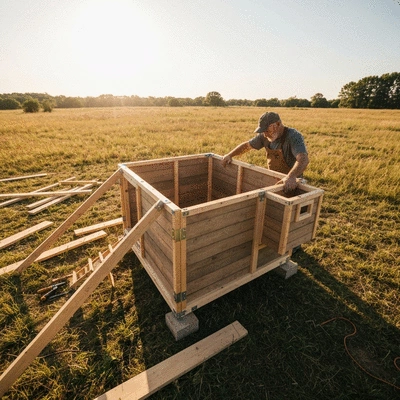
If you're looking to build a winter-ready chicken coop without breaking the bank, DIY options can be incredibly fulfilling! Creating your coop allows you to customize its design based on your specific needs while also saving some money. Here are a few cost-effective tips for your DIY project:
- Repurpose materials whenever possible—check local listings for free or low-cost lumber.
- Use simple designs that require less material and labor.
- Join local chicken-keeping groups for advice and resource sharing.
With a little creativity and effort, you'll not only build an effective coop but also engage in a rewarding project that you’ll be proud of!
Recap of Key Points
Here is a quick recap of the important points discussed in the article:
- Importance of Insulation: Insulation is vital for maintaining a stable environment and protecting your chickens from harsh winter conditions.
- Health Benefits: Proper insulation helps regulate temperature, prevents drafts, and reduces the risk of frostbite.
- Common Challenges: Be aware of challenges such as extreme cold, frozen water sources, and increased predator risk during winter.
- Frostbite Prevention: Use adequate bedding, maintain coop insulation, and consider heating options while ensuring ventilation.
- Key Features for Coops: Incorporate high-quality insulation, effective ventilation control, and solar heating methods in your coop design.
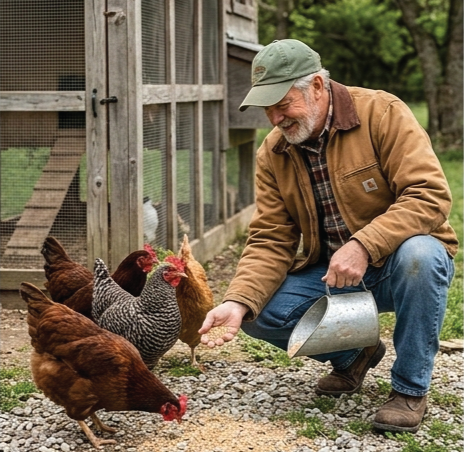
Harold 'Hank' Dawson
Passionate chicken keeper. Homesteading enthusiast. Advocate for sustainable living.
Harold 'Hank' Dawson is dedicated to helping U.S. backyard chicken keepers create safe and practical housing solutions, empowering beginners, homesteaders, and suburban homeowners to embrace a joyful chicken-keeping lifestyle. Join her on American Chicken Coops for reliable resources and tailored strategies that simplify your coop building and maintenance and enhance your flock's well-being.