Aug 12
Charming Chicken Coop Designs Explained
As you embark on your journey of raising backyard chickens, understanding the importance of a well-designed coop is essential. A chicken coop with a built-in run not only enhances the safety and well-being of your flock but also enriches their natural behaviors. Here are some key takeaways that will help you create the ideal environment for your birds.
What You Will Learn
- A chicken coop with a built-in run provides enhanced safety from predators, ensuring your flock remains secure.
- Integrating a run allows chickens to exhibit natural behaviors, promoting their overall health and happiness.
- Proper ventilation and climate control are essential for maintaining a healthy environment within your coop.
- It's crucial to implement predator protection strategies to safeguard your chickens from common threats.
- Essential coop accessories, such as nesting boxes and roosting bars, can significantly improve the comfort and well-being of your hens.
- Planning and preparing for your chicken-keeping adventure is vital for a successful and enjoyable experience.
Key Steps Before Building Your Coop & Expected Maintenance
Understanding the essential planning steps and ongoing maintenance ensures a smooth and successful backyard chicken-keeping journey. For a comprehensive guide to getting started, consider our Beginner's Guide to Chicken Coops.

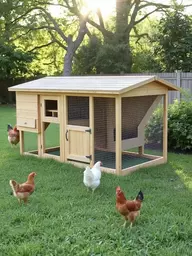
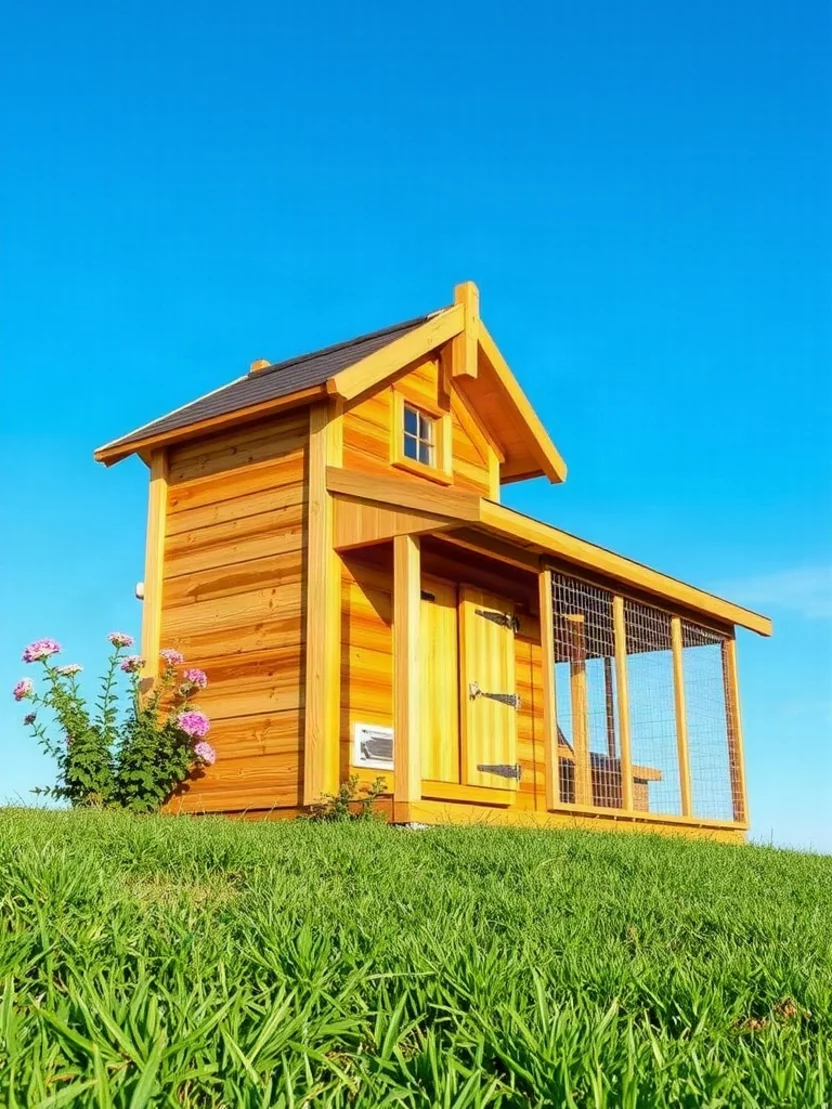
When raising backyard chickens, one of the best decisions you can make is to choose a coop that includes a built-in run. This integrated design not only enhances the security of your flock but also provides them with a safe space to roam and play. Having a run allows chickens to enjoy the outdoors while being protected from predators, which is crucial for their well-being and happiness.
Plus, a properly designed run can contribute to the overall health of your chickens by providing them with ample space to scratch, peck, and socialize. I’ve seen firsthand how a secure run can transform the lives of chickens, giving them the freedom to express their natural behaviors while keeping them safe from harm!
Why Choose a Chicken Coop with a Run?
- Enhanced Safety: A chicken coop with an enclosed run protects your birds from common predators like raccoons, hawks, and foxes.
- Convenient Access: An integrated run makes it easier for you to tend to your flock without needing to let them out into a larger space where they might wander off.
- Natural Behavior: Chickens thrive in environments where they can scratch the ground, dust bathe, and socialize, all of which are easily facilitated by a run.
- Weather Protection: A run can shield your chickens from harsh weather conditions, allowing them to enjoy the outdoors more consistently.
These benefits make it clear that opting for a chicken coop with a run is a wise investment for any backyard chicken keeper. Not only will it keep your flock safe, but it also encourages positive behaviors that contribute to their overall happiness! For more detailed plans, explore our Chicken Coop Plans with a Run.
Key Features to Consider in Coop Designs
Ventilation and Climate Control
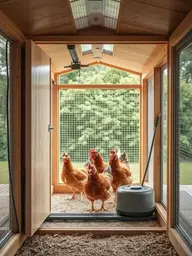
Proper ventilation is essential for maintaining a healthy environment within your chicken coop. Chickens generate a lot of moisture, especially with their droppings, and without adequate airflow, this can lead to respiratory issues. I recommend including vents near the top of the coop to allow warm, moist air to escape while ensuring cooler air can enter at lower levels.
In colder climates, consider designs that allow you to adjust the ventilation according to the season. For instance, you might want to keep the coop well-ventilated in the summer but reduce airflow in the winter months to help retain warmth. It's all about creating a comfortable microclimate for your flock!
Predator Protection Strategies
Every chicken coop must be designed with predator protection in mind. Raccoons are notorious for their cleverness, so ensure your coop has secure locks on all doors and windows. Additionally, consider burying hardware cloth at least a foot deep around the perimeter of your run to prevent digging predators. Trust me, a little extra effort now can save you from heartache later!
- Sturdy Construction: Use strong materials like treated wood or metal to build your coop and run.
- Lockable Access: Install locks on all access points, and always close them securely at night.
- Elevated Coop Design: Building your coop off the ground can deter some predators from gaining access.
By incorporating these protective elements into your coop design, you’ll be well on your way to creating a safe haven for your chickens. You can find more Predator-Proof Chicken Coop Ideas to further secure your flock.
Essential Coop Accessories for Optimal Chicken Health
To make sure your chickens are comfortable and healthy, consider adding essential accessories to your coop. Nesting boxes are crucial for providing a cozy space for your hens to lay eggs, while roosting bars allow them to perch comfortably at night.
- Nesting Boxes: Aim for one box for every 3-4 hens to encourage egg-laying.
- Roosting Bars: Install roosts at least 2 feet off the ground for a safe sleeping area.
- Water and Feeders: Provide adequate food and clean water sources, ensuring they are easily accessible.
These accessories not only enhance the functionality of your coop but also contribute to the overall happiness of your flock. Remember, a happy chicken is a healthy chicken!
Designing Your Ideal Chicken Coop with Run
Now that you understand the benefits and features of a chicken coop with a built-in run, let’s dive into how to design your ideal setup!
Pro Tip
Did you know? Integrating natural elements like plants and shrubs around your chicken run can not only enhance its aesthetic appeal but also provide shade and shelter for your flock. This can help reduce stress during hot weather and create a more enriching environment for your chickens to explore!
Frequently Asked Questions About Chicken Coops with Runs
Q: Why is a built-in run important for backyard chickens?
A: A built-in run offers enhanced safety from predators, provides a secure outdoor space for chickens to exhibit natural behaviors like scratching and dust bathing, and offers protection from harsh weather conditions. This contributes significantly to their overall health and happiness.
Q: What are the key planning steps before building a chicken coop?
A: Before building, it’s crucial to research local regulations, assess your available space, determine your desired flock size, design your coop with safety and comfort in mind, and gather all necessary materials. These steps ensure a successful and compliant setup.
Q: How can I protect my chickens from predators?
A: Predator protection involves using sturdy materials for construction, installing secure locks on all access points, and burying hardware cloth at least a foot deep around the run’s perimeter to prevent digging predators. Elevating the coop can also deter some predators.
Q: What essential accessories should I include in my chicken coop?
A: Essential accessories include nesting boxes (one for every 3-4 hens) for egg-laying, roosting bars (at least 2 feet off the ground) for comfortable sleeping, and easily accessible sources for food and clean water. These contribute to the flock's comfort and health.
Q: What is the typical maintenance schedule for a chicken coop?
A: Maintenance includes daily checks of food, water, and chicken health; weekly tasks like cleaning the coop and replacing bedding; monthly inspections for wear and tear; and seasonal adjustments to ventilation and insulation to adapt to changing weather conditions.
Preparing for Your Backyard Chicken Adventure
Before diving into your chicken-keeping journey, it’s essential to lay a solid foundation for your backyard coop and run. This planning phase can make all the difference, ensuring a smooth experience from the get-go. Let’s explore the key steps that will prepare you for this exciting adventure!
Key Steps Before Building Your Coop
Starting with the right preparations is crucial! Here are some important steps to consider before you break ground:
- Research Local Regulations: Check zoning laws and permit requirements for keeping chickens in your area.
- Assess Your Space: Evaluate your yard for suitable areas that can accommodate a coop and run.
- Determine Your Flock Size: Decide how many chickens you want, which will influence the size of your coop and run.
- Design Your Coop: Create a plan that includes both the coop and run, considering features for safety and comfort.
- Gather Materials: Make a list of materials you’ll need and start sourcing them, keeping quality and durability in mind.
Taking these steps seriously will help set you up for success. It’s all about creating a safe and welcoming environment for your feathered friends!
Realistic Expectations for Chicken Coop Maintenance
Owning chickens comes with its share of responsibilities. Understanding what maintenance involves is key to ensuring a happy, healthy flock. Here’s a breakdown of what to expect:
- Daily Care: Check food and water levels, and observe for any signs of illness.
- Weekly Tasks: Clean out the coop and replace bedding to keep the environment fresh.
- Monthly Inspections: Look for any wear and tear on the coop and run, and address any issues promptly.
- Seasonal Maintenance: Prepare your chickens for changing weather by adjusting ventilation and insulation as needed.
With regular upkeep, your chickens will thrive, and you’ll enjoy the delightful rewards of raising them!
Choosing the Right Chicken Breeds for Your Coop
Not all chicken breeds are created equal, and selecting the right ones is crucial for your backyard setup! Here are some factors to consider:
- Climate Adaptability: Some breeds handle heat better, while others thrive in colder conditions.
- Egg Production: Decide if you want layers, broilers, or a mix based on your needs.
- Temperament: Consider breed personality—some are more docile and friendly, while others may be more active.
- Space Requirements: Ensure that the breeds you choose fit well in your available coop and run space.
As you can see, taking your time to choose the right breeds can lead to a more enjoyable chicken-keeping experience. Remember, it’s about finding those that best fit your lifestyle and environment!

Recap of Key Points
Here is a quick recap of the important points discussed in the article:
- Enhanced Safety: Chicken coops with built-in runs protect your flock from predators.
- Convenient Access: Integrated runs make tending to your chickens easier.
- Natural Behavior: Runs encourage chickens to engage in natural activities like scratching and dust bathing.
- Proper Ventilation: Ensure adequate airflow to maintain a healthy environment within the coop.
- Predator Protection: Use secure locks and buried hardware cloth to safeguard your chickens.
- Essential Accessories: Include nesting boxes and roosting bars for optimal chicken health.
- Preparation Steps: Research regulations, assess space, and gather materials before building your coop.
- Regular Maintenance: Perform daily, weekly, and monthly checks to ensure a healthy coop environment.
Harold 'Hank' Dawson
Passionate chicken keeper. Homesteading enthusiast. Advocate for sustainable living.
Harold 'Hank' Dawson is dedicated to helping U.S. backyard chicken keepers create safe and practical housing solutions, empowering beginners, homesteaders, and suburban homeowners to embrace a joyful chicken-keeping lifestyle. Join her on American Chicken Coops for reliable resources and tailored strategies that simplify your coop building and maintenance and enhance your flock's well-being.