Efficient Cleaning Strategies
- Regular removal of old bedding & droppings.
- Scrub surfaces with mild disinfectant.
- Frequent bedding material changes.
- Weekly cleaning schedule for consistency.
Welcome to American Chicken Coops, your trusted resource for happy, healthy backyard chickens!
May 21
Did you know that a well-designed chicken coop can significantly enhance the health and productivity of your flock? In this guide, we'll explore the transformative power of a garage shed chicken coop for backyard farmers wanting to expand their flocks and optimize their space.
An efficient workflow for maintaining a healthy and hygienic chicken coop. For more detailed instructions on keeping your coop spotless, check out our guide to cleaning your chicken coop.
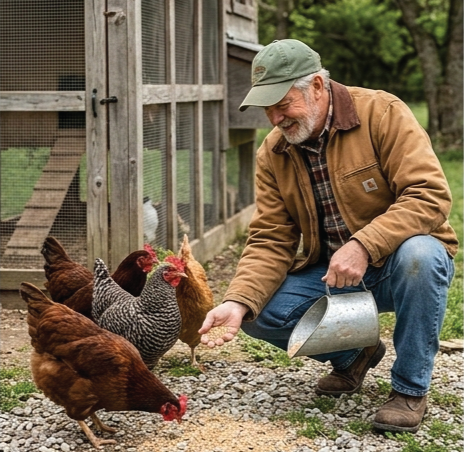
When it comes to keeping a larger flock of chickens, a garage shed chicken coop can be a game changer! This design allows you to maximize space while providing a safe and comfortable environment for your feathered friends. With my more than 35 years of experience as a chicken keeper and coop builder, I've discovered the benefits of using a garage shed as a chicken coop, and I can't wait to share them with you!
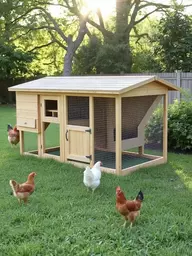
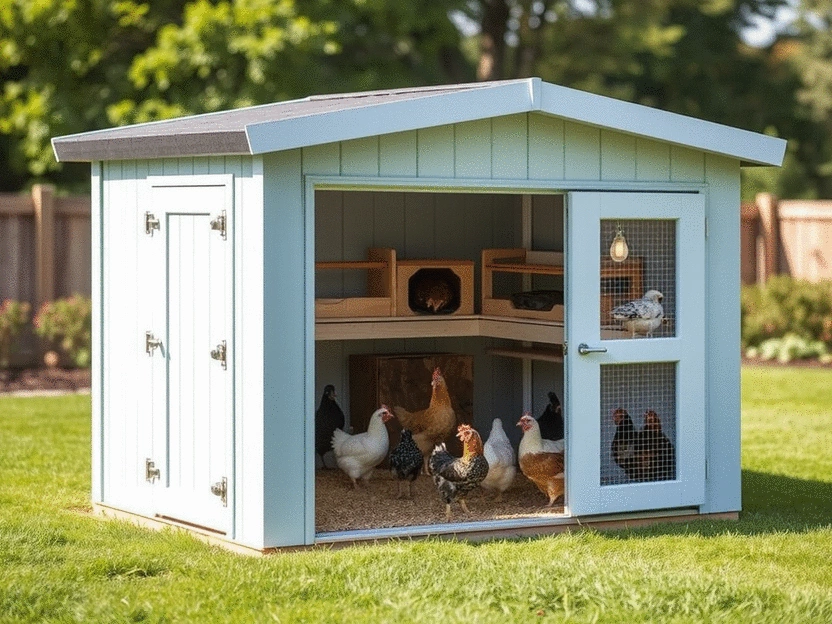
A garage shed chicken coop is essentially a converted garage or shed that can house a significant number of chickens comfortably. This type of coop often features robust construction, offering ample space for nesting, roosting, and even storage for feed and supplies. It’s a fantastic solution for backyard farmers who want to integrate their flock into their existing structures.
Using a garage shed not only provides shelter but also allows you to customize the layout to suit your specific needs. Plus, it helps keep your chickens protected from the elements and predators! Here are some key characteristics of a garage shed chicken coop:
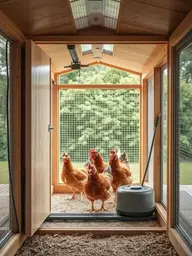
Having a chicken coop designed for larger capacity brings numerous benefits to your backyard farming experience. First and foremost, it allows you to expand your flock without worrying about overcrowding. With adequate space, chickens can thrive, leading to better egg production and overall health. For those looking to support a growing flock, exploring spacious coop plans for 20 chickens can provide excellent guidance.
Moreover, a well-designed coop can simplify management by reducing the frequency of cleaning and maintenance. Here are some additional advantages of large capacity designs:
Integrating a chicken coop into your backyard farming setup can enhance your lifestyle in many ways. Not only do chickens provide fresh eggs, but they also contribute to your garden's health through natural pest control and fertilization. By placing your garage shed chicken coop cleverly within your outdoor space, you can create a harmonious environment.
Consider positioning your coop near a garden or compost bin to make the most of your chickens' natural behaviors! Here are some tips for successfully integrating your coop:
Creating the perfect blueprint for your chicken coop is essential for ensuring functionality and comfort for your flock. A good design not only meets the needs of your chickens but also makes your life easier as the caretaker.
In the following sections, we'll explore essential features, visualizations of your coop's layout, and how to maximize space and capacity effectively!
As you embark on your chicken-keeping journey, we want to hear from you! What are the most important features you consider when designing or choosing a chicken coop? Is it the space, ventilation, or perhaps the aesthetics? Share your thoughts with us!
A: Converting a garage shed into a chicken coop maximizes space, provides a safe and comfortable environment for larger flocks, offers robust construction, and allows for built-in storage of feed and supplies. It also simplifies flock expansion and management.
A: A large capacity coop reduces stress among chickens due to ample space, which leads to better overall health and improved egg production. It also allows for better ventilation and natural light, contributing to a healthier environment.
A: Effective cleaning strategies include regular removal of old bedding and droppings, scrubbing surfaces with a mild disinfectant, frequent changes of bedding material, and implementing a weekly cleaning schedule to maintain consistency.
A: Chicken manure can be managed sustainably through composting. This involves mixing droppings with carbon-rich materials like straw, turning the compost regularly for aeration, keeping it moist, and using the finished compost to enrich your garden soil.
A: The best location is one with good drainage and sunlight, ensuring easy access for feeding and cleaning. Positioning it near a garden or compost bin can also enhance natural pest control and fertilization benefits for your plants.
Keeping your chicken coop clean is essential for the health of your flock and the longevity of your structure. A well-maintained coop not only promotes a hygienic environment but also reduces the chances of disease spreading among your chickens. Here are some efficient cleaning strategies that I’ve found effective over the years to keep your coop healthy:
Incorporating these cleaning strategies into your routine will keep your chickens happier and healthier! Trust me, a clean coop is a happy coop. For even more insights, consider these charming chicken coop ideas for flocks that prioritize both aesthetics and functionality.
Managing waste in your chicken coop is crucial for both hygiene and odor control. Over the years, I’ve learned that understanding how to effectively deal with chicken manure can make a huge difference. Here are some practical tips to manage waste:
With these long-term care strategies, you can maintain a coop that not only looks good but also keeps your flock in optimal health.
One of my favorite aspects of chicken keeping is composting! Not only does it help manage waste effectively, but it also produces nutrient-rich compost for your garden. Here’s how you can make the most out of your chickens' manure:
By composting, you’re not just cleaning your coop; you’re also contributing to a healthier ecosystem around your home! It's a win-win situation for you and your backyard.
Here is a quick recap of the important points discussed in the article:
Passionate chicken keeper. Homesteading enthusiast. Advocate for sustainable living.
Harold 'Hank' Dawson is dedicated to helping U.S. backyard chicken keepers create safe and practical housing solutions, empowering beginners, homesteaders, and suburban homeowners to embrace a joyful chicken-keeping lifestyle. Join her on American Chicken Coops for reliable resources and tailored strategies that simplify your coop building and maintenance and enhance your flock's well-being.
Passionate chicken keeper. Homesteading enthusiast. Advocate for sustainable living.
Harold 'Hank' Dawson is dedicated to transforming backyards across the U.S. into thriving, safe havens for chickens, empowering fellow chicken enthusiasts to embrace a sustainable and rewarding poultry-keeping lifestyle. Join her on American Chicken Coops for daily tips and tailored strategies that simplify your coop building and maintenance and enhance the well-being of your flock.