Key Quarantine Timeframe
A general quarantine period of 2 to 4 weeks (or at least 30 days) is recommended for new birds to monitor health and prevent disease spread.
Welcome to American Chicken Coops, your trusted resource for happy, healthy backyard chickens!
Aug 07
Did you know that implementing effective quarantine protocols can significantly enhance the health of your backyard chickens? By following a few essential practices, you can protect your flock from potential diseases and ensure their well-being.
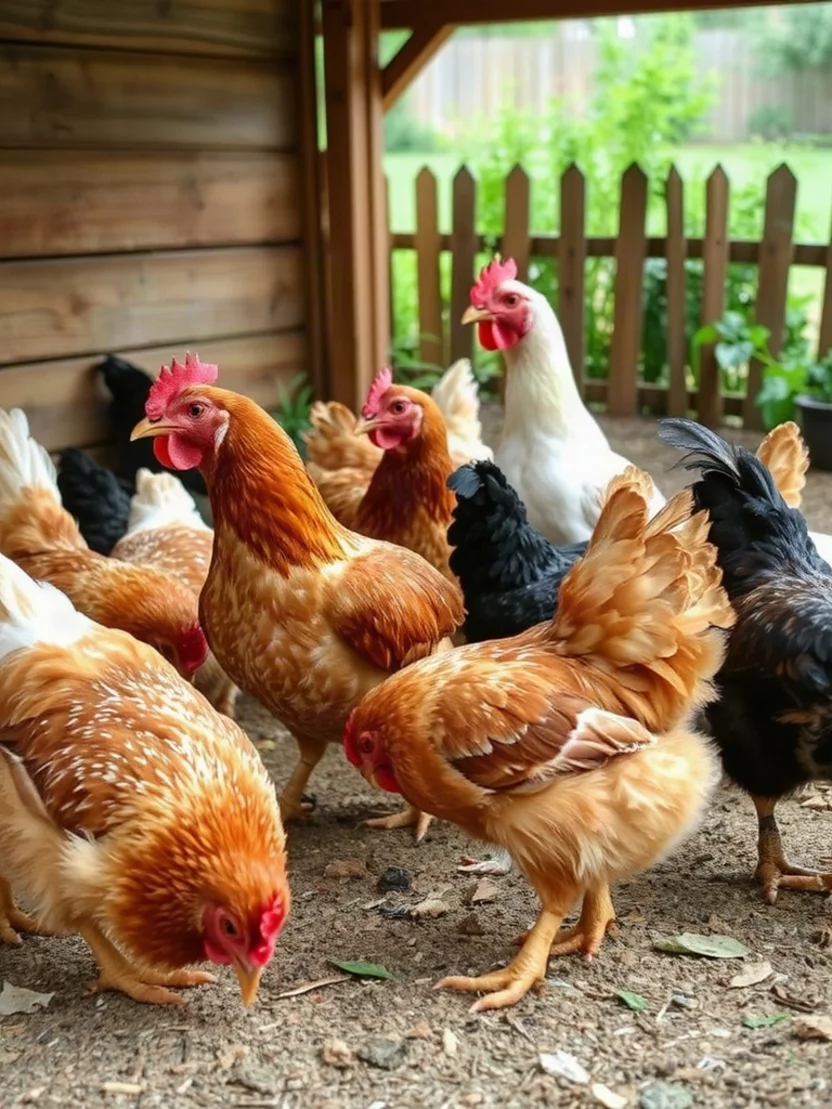
Implementing effective quarantine protocols is essential for preventing disease in backyard chicken flocks. The visual below outlines key timeframes and procedures for safeguarding your birds. For more detailed information on housing, consider these charming chicken coop ideas for flocks.
A general quarantine period of 2 to 4 weeks (or at least 30 days) is recommended for new birds to monitor health and prevent disease spread.
Keeping backyard chickens can be a rewarding experience, but it comes with responsibilities, especially when it comes to disease prevention. One of the best ways to protect your flock is by implementing effective quarantine protocols. By taking these precautions, you can help ensure your chickens remain healthy and happy!
In this section, we’ll dive into the importance of quarantine, what it involves, and how it can safeguard your flock from potential threats. Let’s get started!
Quarantine is crucial for any backyard chicken keeper. It helps prevent the spread of diseases that can devastate your flock. When introducing new birds, they can carry pathogens without showing any signs of illness. By isolating these birds for a period, you can monitor their health and reduce the risk of infecting your established flock. Maintaining a clean environment is also key, and regularly cleaning your chicken coop is a vital part of biosecurity.
Regularly practicing quarantine can not only protect your chickens but also give you peace of mind as a keeper. Trust me; it's worth the time and effort!
So, how long should you quarantine your new birds? Generally, a quarantine period of 2 to 4 weeks is recommended. This timeframe allows you to closely monitor the birds for any signs of illness. Here's how to set it up:
By following these procedures, you can create a safe environment for new arrivals and protect your entire flock.
Different poultry diseases may require specific quarantine measures. For instance, diseases like Newcastle Disease or avian influenza can spread rapidly if not contained. Here are some key measures to consider:
By being proactive and taking these specific measures, you can significantly reduce the risk of disease in your backyard flock. Remember, an ounce of prevention is worth a pound of cure, especially when it comes to our feathered friends!
We’d love to know how you handle quarantine for your backyard chickens! Which practice do you find most effective?
By now, it’s clear that establishing a solid quarantine protocol and maintaining biosecurity practices are vital steps in keeping your backyard chickens healthy and thriving. As we wrap up, let’s summarize the key points to help you build a resilient flock that can withstand potential health threats.
To effectively safeguard your chickens, here are some essential practices to implement:
These practices not only help prevent disease but also ensure a happy, productive flock. Remember, a little diligence goes a long way in promoting the well-being of your birds!
One of the best ways to stay on top of your flock’s health is through consistent monitoring and recordkeeping. I always recommend keeping a detailed log of health observations, vaccination schedules, and any changes in egg production. This information can be invaluable when identifying potential issues before they escalate. Consistent record-keeping can also help you track the effectiveness of various natural ways to control coop pests, which are another threat to flock health.
By making these records a part of your routine, you’ll not only enhance your flock’s health but also improve your confidence as a chicken keeper!
No one likes to think about emergencies, but being prepared is key to managing any potential disease outbreaks. Consider creating an emergency plan that includes quick response strategies and resources you can tap into if needed.
Planning for the unexpected can help you address issues swiftly and minimize the impact on your flock. Trust me, it’s better to be prepared than to scramble when an outbreak occurs!
Now that you’re equipped with knowledge about quarantine and biosecurity, it's time to take action! Small steps today can lead to a healthier flock tomorrow.
One of the simplest yet most effective tools I recommend is using checklists and quarantine logs. These tools help keep your management organized and ensure you don't miss critical steps in the process. Here’s a quick checklist to get you started:
By keeping these lists handy, you’ll streamline your management practices and boost your confidence as a chicken keeper!
Don’t forget to utilize community resources! Engaging with fellow chicken enthusiasts through forums, local meetups, or social media groups can provide valuable insights and support. Sharing experiences and learning from each other is a fantastic way to grow in your chicken-keeping journey!
Finally, always prioritize the welfare of your flock. Understanding their needs—like proper housing, nutrition, and social interaction—will go a long way in promoting their health and happiness. For more insights on creating the ideal environment, check out these unique chicken coop designs and ideas. Remember, a well-cared-for flock is a thriving flock!
As you implement these strategies and practices, you’ll not only enhance your flock's resilience but also savor every joyful moment spent with your backyard chickens. Happy clucking!
Here is a quick recap of the important points discussed in the article:
Passionate chicken keeper. Homesteading enthusiast. Advocate for sustainable living.
Harold 'Hank' Dawson is dedicated to helping U.S. backyard chicken keepers create safe and practical housing solutions, empowering beginners, homesteaders, and suburban homeowners to embrace a joyful chicken-keeping lifestyle. Join her on American Chicken Coops for reliable resources and tailored strategies that simplify your coop building and maintenance and enhance your flock's well-being.
Passionate chicken keeper. Homesteading enthusiast. Advocate for sustainable living.
Harold 'Hank' Dawson is dedicated to transforming backyards across the U.S. into thriving, safe havens for chickens, empowering fellow chicken enthusiasts to embrace a sustainable and rewarding poultry-keeping lifestyle. Join her on American Chicken Coops for daily tips and tailored strategies that simplify your coop building and maintenance and enhance the well-being of your flock.