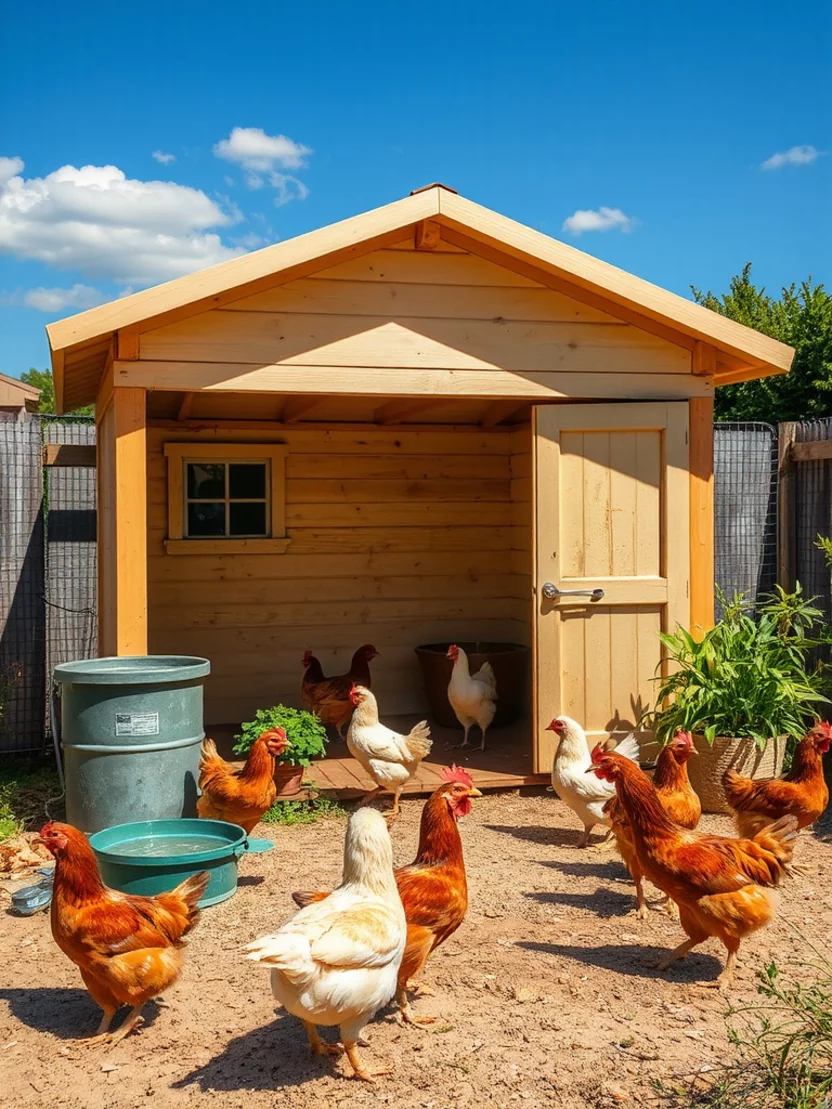
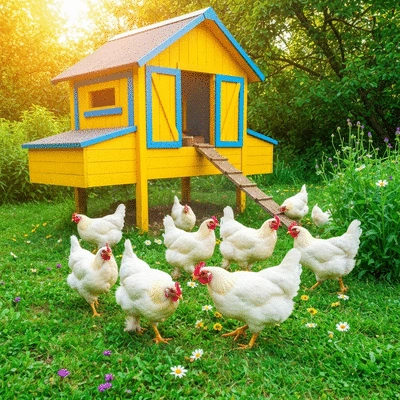
Temperature Comfort Zone
Chickens thrive between 65°F and 75°F. Above this, they experience heat stress, leading to decreased health and productivity.
Welcome to American Chicken Coops, your trusted resource for happy, healthy backyard chickens!
Jun 17
As the temperature rises, your feathered friends need extra care to stay healthy. By understanding key aspects of heat management in chicken coops, you can ensure your flock remains comfortable all summer long. Here’s what you’ll uncover in this guide!
Keeping your flock healthy and productive during warmer months requires attention to critical areas. Here's a breakdown of key aspects for optimal chicken care.
Chickens thrive between 65°F and 75°F. Above this, they experience heat stress, leading to decreased health and productivity.
As summer rolls in, it’s crucial to prioritize your chickens' comfort and health. The heat can pose significant risks to your flock if not managed properly. From signs of heat stress to effective cooling systems, understanding these aspects will help you ensure your chickens stay happy and healthy throughout the warm months!
Let’s dive into the heart of summer chicken care and look at effective methods to keep your coop cool and your hens thriving. For those interested in ensuring their chickens have a safe and comfortable home, exploring beginner's guide to chicken coops can provide foundational knowledge.
Chickens, like us, can suffer from the harsh effects of extreme heat. Recognizing the early signs of heat stress is essential for keeping your flock safe. Here are a few key signs to look out for:
If you notice any of these signs, it’s time to take action! Remember, the health of your chickens relies heavily on proper temperature management during the hot summer months.
Heat stress can lead to serious health issues, including decreased immune function. Keeping an eye on your birds can help you catch potential problems early. Look for increased panting and changes in their behavior, as these are clear indicators that your chickens are struggling.
Chickens are most comfortable at temperatures between 65°F and 75°F. When temperatures exceed this range, they face heat stress, which can lead to decreased productivity and health complications. Maintaining a cool environment is crucial for keeping your flock actively engaged and producing eggs.
There are several effective cooling systems you can employ to ensure your coop remains a comfortable haven for your chickens. To learn more about maintaining a healthy environment, consider our guide on improving chicken coop air quality.
By implementing these cooling systems, you'll not only enhance your chickens’ comfort but also boost their overall health and productivity!
Keeping your chickens cool is not just about installing equipment; it’s also about utilizing smart tactics to manage heat effectively. Here’s a closer look at some strategies you can use:
These tactics will not only help mitigate heat but also create a more enjoyable environment for your hens to thrive!
Adding shade cloth to your run or coop can make a world of difference. It blocks sunlight and allows for cooler areas where your birds can rest and relax. Choose light-colored materials to reflect sunlight, and make sure they’re secure against the wind!
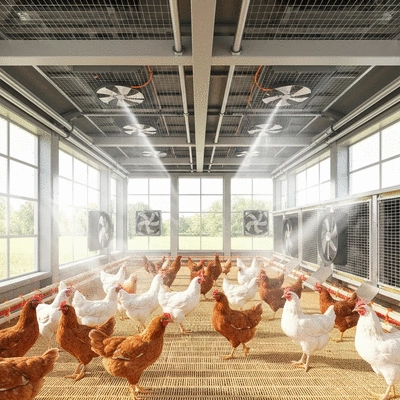
Cross ventilation is one of the most effective ways to cool your chicken coop. By strategically placing fans to create airflow, you can help dissipate heat and create a more pleasant environment. It’s a relatively simple solution that can have a big impact!
Make sure your chickens always have access to fresh, cool water. Positioning water sources in shaded areas encourages them to stay hydrated, which is critical during the hot months. Refill their water containers frequently, as warm water is less appealing to drink.
As you prepare for the summer heat, what are some unique strategies or tips you’ve found helpful in keeping your chickens cool? Share your thoughts and experiences in the comments below!
Key signs include increased panting or open-mouth breathing, reduced egg production, excessive drooping or lethargy, and discolored combs and wattles.
Chickens are most comfortable at temperatures between 65°F and 75°F. Temperatures above this range can lead to heat stress.
Effective cooling systems include fans for airflow, evaporative coolers (especially in dry climates), and misting systems to lower air temperature.
Adding shade cloth or coverings to the run or coop blocks direct sunlight, creating cooler areas for chickens to rest. Light-colored materials are best for reflecting sunlight.
Positioning water sources in shaded areas ensures chickens have constant access to fresh, cool water, encouraging them to stay hydrated, which is crucial in hot weather.
Daily tasks include checking water supplies, ensuring proper ventilation, and observing for distress. Weekly tasks involve cleaning the coop, refreshing bedding, and inspecting for pests. Seasonal tasks include adjusting ventilation and reinforcing cooling measures for heat waves.
As we wrap up our conversation about summer chicken coop care, it's essential to remember the key strategies for ensuring your flock stays healthy and comfortable during the warmer months. Effective heat management, humidity control, and pest management are the cornerstones of keeping your chickens happy and thriving. Let’s dive into a summary of these crucial practices!
By understanding and implementing the right strategies, you can significantly improve your chickens' living conditions. Here’s a quick recap of what we discussed regarding heat and humidity management:
Additionally, don’t forget about the importance of maintaining a pest-free environment. Regular cleaning and using natural deterrents will go a long way in safeguarding your flock from unwanted pests. Remember, happy chickens make for productive layers!
To help you manage your chicken coop effectively, I've created a simple checklist of tasks to keep your flock in peak condition. For detailed guidance on maintaining a clean coop, refer to our guide to cleaning your chicken coop.
As the summer progresses, keep an eye out for any changes in your chickens’ behavior. Signs of distress may indicate that adjustments are necessary to their environment.
As a backyard chicken keeper, it’s vital to prioritize the well-being of your flock this summer. Not only does healthy poultry lead to better egg production, but it also creates a more enjoyable experience for you as a chicken enthusiast!
Remember, you’re not alone in this journey. Connect with the chicken community—whether it's through local meetups, social media groups, or forums. Sharing experiences and tips can provide invaluable support and new ideas! And for those looking to further their knowledge, American Chicken Coops offers a wealth of resources, including DIY guides and product reviews, to enhance your chicken-keeping skills.
Here is a quick recap of the important points discussed in the article:
Passionate chicken keeper. Homesteading enthusiast. Advocate for sustainable living.
Harold 'Hank' Dawson is dedicated to helping U.S. backyard chicken keepers create safe and practical housing solutions, empowering beginners, homesteaders, and suburban homeowners to embrace a joyful chicken-keeping lifestyle. Join her on American Chicken Coops for reliable resources and tailored strategies that simplify your coop building and maintenance and enhance your flock's well-being.
Passionate chicken keeper. Homesteading enthusiast. Advocate for sustainable living.
Harold 'Hank' Dawson is dedicated to transforming backyards across the U.S. into thriving, safe havens for chickens, empowering fellow chicken enthusiasts to embrace a sustainable and rewarding poultry-keeping lifestyle. Join her on American Chicken Coops for daily tips and tailored strategies that simplify your coop building and maintenance and enhance the well-being of your flock.