Apr 01
Predator-Proof Chicken Coop Ideas
As you embark on your journey into backyard chicken keeping, knowing how to protect your feathered friends from potential threats is essential. A well-thought-out chicken coop can be the difference between a thriving flock and a devastating loss. Here’s what you’ll learn about creating a predator-proof sanctuary for your chickens.
What You Will Learn
- The essential features that make a chicken coop predator-proof, including sturdy construction and secure locks.
- Common predators that threaten backyard chickens and their methods of attack.
- Effective security measures to implement, such as regular inspections and nighttime lock-ups.
- Maintenance tasks that ensure the longevity and security of your chicken coop.
- How to identify and address common issues that may arise in chicken coops over time.
Key Aspects of Predator-Proofing and Coop Maintenance
Ensuring the safety and longevity of your chicken coop involves two primary areas: implementing robust predator-proofing features and conducting consistent maintenance. These elements work in tandem to protect your flock and maximize the lifespan of your coop. For those just starting out, a beginner's guide to chicken coops can provide a solid foundation for understanding these crucial aspects.
Predator-Proofing Features
- ✓ Sturdy Construction: Durable materials are key.
- ✓ Hardware Cloth: Stronger than chicken wire.
- ✓ Secure Locks: Prevents clever raccoons.
- ✓ Buried Barriers: Stops digging predators.
- ✓ Motion Lights: Deters nighttime intruders.
Essential Maintenance Tips
- ⚠ Regular Inspections: Check for weak spots.
- ⚠ Nighttime Lock-Up: Predators are most active.
- ⚠ Check Roof & Walls: Seal holes/cracks.
- ⚠ Inspect Locks/Latches: Ensure functionality.
- ⚠ Clean Surroundings: Remove predator cover.
Common Predator Types
- • Raccoons: Clever, can open latches.
- • Foxes: Often dig under barriers.
- • Hawks: Aerial threats, snatch during free-range.
- • Dogs: Neighborhood pets can be a threat.
Resolving Common Issues
- → Ventilation Problems: Ensure free airflow.
- → Pest Infestations: Check for mites/rodents.
- → Weather Damage: Inspect & repair promptly.
- → Clean Nesting Areas: Sanitize regularly.
- → Check Hardware: Replace worn-out parts.
Understanding Predator-Proof Chicken Coops: Why Security Matters
When it comes to raising chickens, ensuring their safety is paramount. A predator-proof chicken coop isn’t just a luxury—it's a necessity! Without adequate protection, your feathered friends could fall victim to various threats. Let’s dive into what makes a coop predator-proof and why investing in security features is crucial for any backyard chicken keeper.
In my 35 years of experience building coops, I've seen firsthand the importance of incorporating security measures. A well-designed coop not only keeps your chickens safe but also gives you peace of mind. Let’s explore the essential features that define a predator-proof coop.
Defining Predator-Proofing: Key Features for Chicken Coops
When we talk about predator-proofing, we mean implementing several design elements that can withstand various threats. Here are some key features every secure chicken coop should have:
- Sturdy Construction: Use durable materials that can resist wear and tear.
- Predator-Resistant Mesh: Hardware cloth is often preferred over chicken wire for its added strength.
- Secure Locks: Invest in high-quality locks that can’t easily be manipulated by clever raccoons.
- Buried Barriers: Burying wire mesh along the perimeter can prevent predators from digging underneath.
By employing these features, you create a robust defense against potential threats. Remember, it’s not just about keeping the chickens in; it’s also about keeping predators out! For more inspiration on secure designs, explore predator-proof chicken coop ideas.
The Risks: Common Predators and How They Attack
Understanding the risks your chickens face is the first step toward effective predator-proofing. Various animals can pose threats, including:
- Raccoons
- Foxes
- Hawks
- Neighborhood dogs
Each of these predators has different methods of attack, from breaking into coops to snatching chickens during free-range time. For instance, raccoons are notorious for their cleverness and dexterity, making secure locks and construction vital.
Identifying Ground Predators: Raccoons, Foxes, and More
Ground predators can quickly become a serious concern. Raccoons are especially skilled at opening latches and doors. Meanwhile, foxes often dig under fences and barriers. Knowing the common predators in your area can help you tailor your coop's design to withstand specific threats. Let’s face it—those fluffy tails can be quite the troublemakers!
Implementing Effective Security Measures for Animal Safety
To protect your chickens, here are some effective security measures to consider:
- Regular Inspections: Frequently check for weak spots in your coop.
- Nighttime Lock-Up: Always secure your chickens at night when predators are most active.
- Lighting Solutions: Motion-activated lights can deter nighttime intruders.
By implementing these security measures, you can significantly reduce the risk of losing your beloved flock. Remember, proactive steps today can prevent heartache tomorrow!
Exploring Innovative Predator-Proof Chicken Coop Designs
As we create safe havens for our chickens, it’s essential to think beyond just security. Innovative designs can enhance both protection and functionality, ensuring your chickens thrive. Let's look at some materials and designs that can make your coop both safe and efficient.
Pro Tip
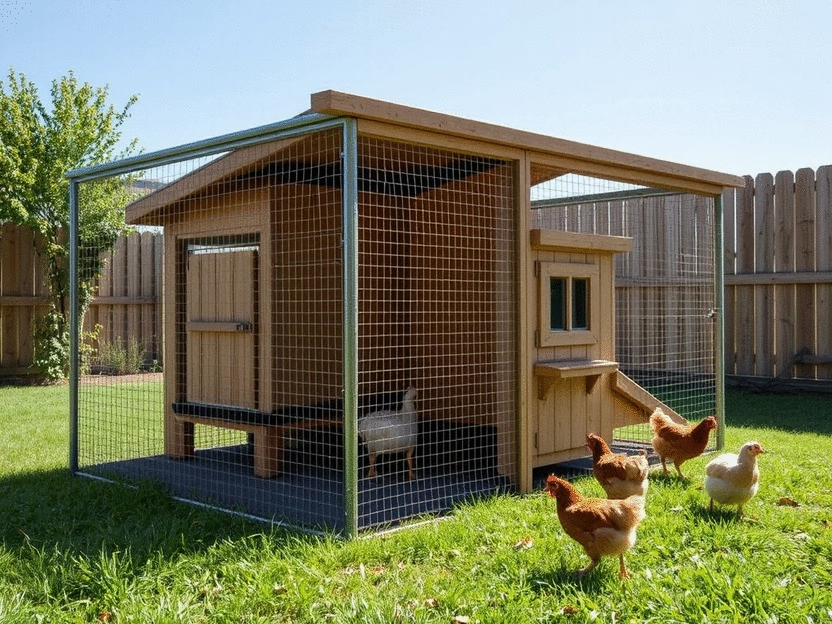
Did you know that integrating a secure outdoor run can significantly enhance your chickens' safety? By using durable fencing and a solid top cover, you can create a safe space for your flock to enjoy the outdoors while keeping predators at bay. This way, your chickens can benefit from fresh air and exercise without the constant threat of danger!
Frequently Asked Questions
Q: What are the most common predators for backyard chickens?
A: Common predators include raccoons, foxes, hawks, and neighborhood dogs. Each has different attack methods, requiring varied security measures.
Q: Is chicken wire sufficient for predator-proofing a coop?
A: No, chicken wire is generally not sufficient as it is easily broken by determined predators. Hardware cloth, with its smaller gauge and stronger material, is recommended for better security.
Q: How can I prevent digging predators like foxes?
A: Burying wire mesh (hardware cloth) along the perimeter of your coop's foundation, extending outwards, can prevent predators from digging underneath.
Q: What kind of locks should I use for my chicken coop?
A: Invest in high-quality, predator-resistant locks that cannot be easily manipulated by clever animals like raccoons. Latches with extra clips or carabiners can also add an extra layer of security.
Q: How often should I inspect my chicken coop for weak spots?
A: Regular inspections are crucial. It's recommended to check your coop frequently, ideally daily or weekly, especially after severe weather, to identify and address any potential vulnerabilities promptly.
Maintaining Your Predator-Proof Chicken Coop for Long-Term Success
When it comes to backyard chicken keeping, ensuring the longevity of your coop is essential for your feathered friends' safety. Regular maintenance can prevent potential issues, keeping your coop strong and secure. Here’s a handy list of maintenance tasks to help you keep your chicken coop in top shape:
- Inspect for damage regularly
- Clean and sanitize nesting areas
- Check and replace worn-out hardware
- Monitor ventilation systems
By staying proactive with these tasks, you'll not only protect your chickens but also enhance the overall efficiency of your coop. Trust me, your flock will thank you for the effort!
Essential Maintenance Tips: Keeping Your Coop Secure
Taking care of your chicken coop isn't just about aesthetics; it's about ensuring a secure environment for your chickens. Regular maintenance helps prevent wear and tear that could lead to breaches. Start by checking the roof and walls for any holes or cracks—these are prime entry points for predators. Ensuring that the coop is well-sealed can save you from future headaches! For comprehensive guidance, consider reviewing a guide on cleaning your chicken coop regularly.
- Inspect locks and latches for functionality
- Reinforce weak points with additional hardware cloth
- Regularly clean out droppings to maintain hygiene
It’s also important to keep the area surrounding the coop tidy. Remove any debris that could provide cover for lurking predators. A clean environment makes it easier to spot potential threats. Remember, a well-maintained coop is a secure coop!
Common Issues and How to Resolve Them
Even the best-built coops can face issues over time. Knowing what to look for and how to address these problems is key to maintaining a successful flock. Below are some common issues and practical solutions:
- Ventilation Problems: Ensure air flows freely to prevent moisture buildup and health issues.
- Pest Infestations: Regularly check for mites or rodents; use natural deterrents or traps when needed.
- Weather Damage: Inspect the coop after storms or extreme weather, making necessary repairs promptly.
By taking a proactive approach to these common challenges, you can ensure a safe and comfortable home for your chickens. Remember, a little maintenance goes a long way!
Ensuring Proper Ventilation and Insulation in Your Coop
Good ventilation is vital in maintaining a healthy coop environment. It helps remove excess moisture and keeps the air fresh. On the other hand, insulation is crucial for protecting your chickens during extreme weather conditions. Here are some tips to ensure your coop has both:
- Install vents that can be adjusted based on the season
- Use insulated panels to regulate temperature
- Ensure that air circulation does not create drafts
Finding the right balance between ventilation and insulation might take some experimentation, but it's worth it for the health of your flock. Your chickens will be happy and productive in a well-maintained environment! For details on how to improve air quality, check out our guide on improving chicken coop air quality.
Recap of Key Points
Here is a quick recap of the important points discussed in the article:
- Sturdy Construction: Use durable materials to withstand wear and tear.
- Predator-Resistant Mesh: Opt for hardware cloth over chicken wire for added strength.
- Secure Locks: Invest in high-quality locks to deter cunning predators.
- Buried Barriers: Bury wire mesh around the coop to prevent digging.
- Regular Inspections: Frequently check for weak spots and address them promptly.
- Nighttime Lock-Up: Always secure your chickens at night when predators are most active.
- Effective Ventilation: Ensure proper airflow to maintain a healthy coop environment.
- Proactive Maintenance: Regularly clean, inspect, and reinforce your coop to enhance security.
Harold 'Hank' Dawson
Passionate chicken keeper. Homesteading enthusiast. Advocate for sustainable living.
Harold 'Hank' Dawson is dedicated to helping U.S. backyard chicken keepers create safe and practical housing solutions, empowering beginners, homesteaders, and suburban homeowners to embrace a joyful chicken-keeping lifestyle. Join her on American Chicken Coops for reliable resources and tailored strategies that simplify your coop building and maintenance and enhance your flock's well-being.