Jun 04
Chickens in Greenhouse Coops: Tips
Did you know that the right chicken coop can significantly enhance the health and productivity of your flock? Understanding the principles behind greenhouse chicken coops can transform your backyard chicken-keeping experience!
What You Will Learn
- The concept of greenhouse chicken coops, which combine traditional features with greenhouse elements for optimal chicken comfort.
- The importance of considering local climate conditions when designing your coop to ensure the well-being of your chickens.
- Key features of effective greenhouse chicken coops, including proper ventilation systems, shade solutions, and effective insulation.
- Best practices for maintaining waste management and cleanliness to promote a healthy environment for your flock.
Greenhouse Chicken Coop Essentials
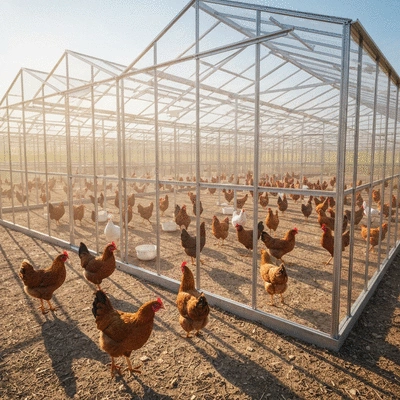
Creating a thriving environment for your chickens in hot climates requires careful consideration of key design features and ongoing management. Below are the essential elements for effective greenhouse chicken coops and sustainable waste management practices. For more ideas on how to create the best home for your flock, check out these charming chicken coop ideas.
Key Features for Hot Climates
- ✓Proper Ventilation Systems: Essential for preventing overheating.
- ✓Shade Solutions: Protects chickens from direct sun.
- ✓Effective Insulation: Maintains stable internal temperatures.
Waste & Bedding Management
- ✓Regular Cleaning Schedule: At least once a week.
- ✓Deep Litter Method: Layers bedding to compost over time.
- ✓Composting Waste: Creates natural garden fertilizer.
Cleansing Hybrid Coops
- ✓Non-Toxic Cleaners: Safe for chickens and plants.
- ✓Good Airflow: Reduces humidity and keeps coop dry.
- ✓Regular Inspections: Early detection of pests or mold.
Sustainable Composting
- ✓Set Up a Compost Bin: Organized waste collection.
- ✓Layering Materials: Alternate manure with carbon-rich items.
- ✓Turn the Pile: Aerates for faster decomposition.
Understanding Greenhouse Chicken Coops for Hot American Climates
As a lifelong backyard chicken keeper, I’ve seen how hot American climates can pose unique challenges for our feathered friends. That's where greenhouse chicken coops come into play! These coops not only provide shelter for chickens but also utilize greenhouse principles to create a comfortable environment that can mitigate the intense heat.
In this section, we'll explore the essentials of greenhouse chicken coops and why considering your local climate is crucial for creating a safe haven for your flock. After all, the well-being of your chickens directly impacts their health and productivity!
What is a Greenhouse Chicken Coop?
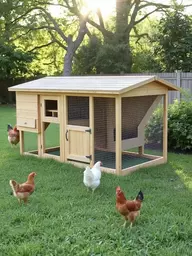
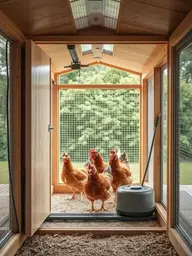
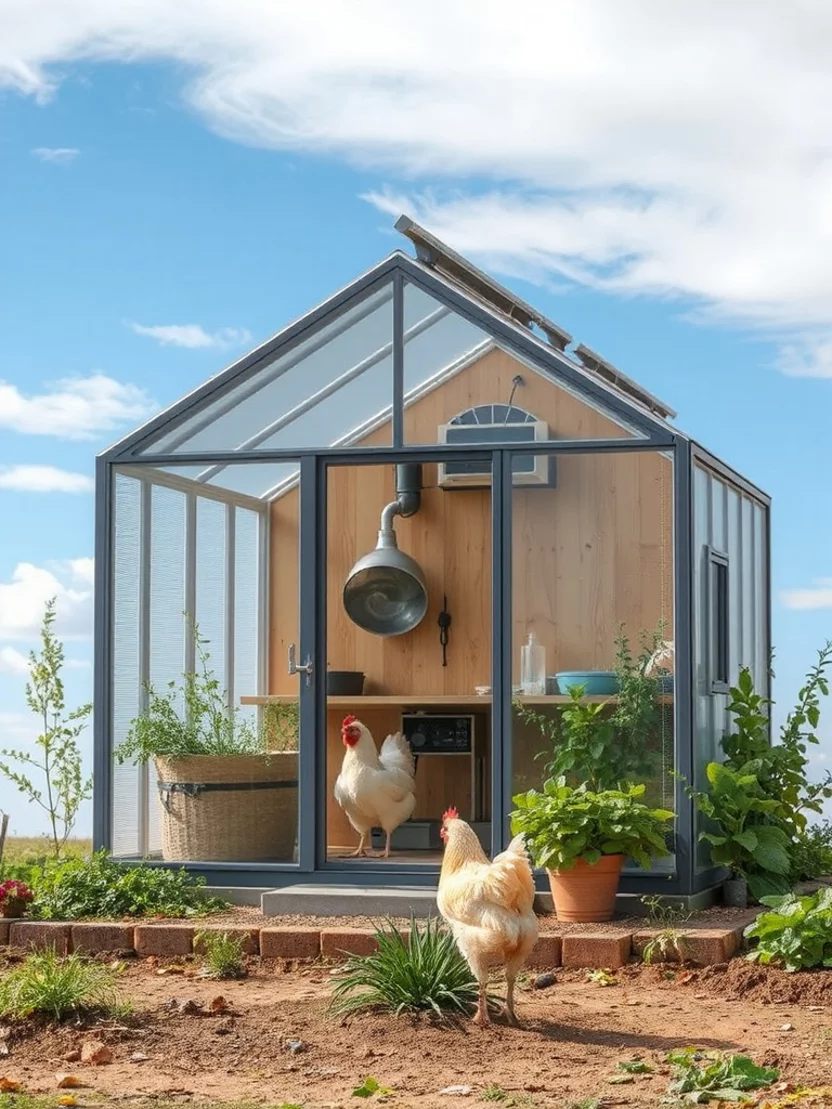
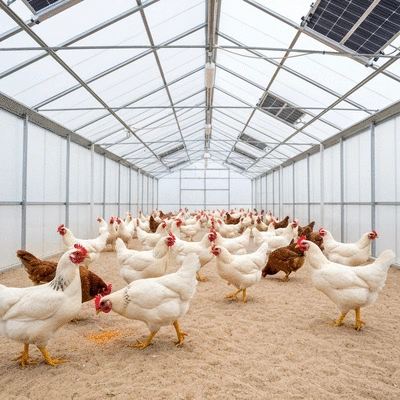
A greenhouse chicken coop combines traditional coop features with greenhouse elements to enhance the living conditions for your chickens. These structures are designed to harness natural light while providing adequate airflow and temperature control.
- Solar Gain: The transparent materials used in greenhouses allow for sunlight to warm the coop, creating a naturally comfortable space.
- Efficient Airflow: By integrating ventilation strategies, these coops can effectively manage the heat, ensuring your chickens stay cool even on the hottest days. For more on improving air quality, read our guide on improving chicken coop air quality.
- Year-Round Use: They can serve as a versatile structure that offers warmth in winter while maintaining a cooler environment in summer.
By utilizing these features, greenhouse chicken coops create an environment where your chickens can thrive, laying healthy eggs and staying active. Trust me, I've seen the difference firsthand after years of building and designing coops for my fellow chicken enthusiasts!
The Importance of Climate Consideration in Coop Design
When designing your chicken coop, it's vital to take into account the specific climate of your region. Different areas can experience extreme temperatures, and understanding these conditions can help you make informed decisions about your coop's design.
- Local Weather Patterns: Knowing whether your area gets hot and humid summers or cold winters helps in choosing appropriate materials and designs.
- Ventilation Needs: Hot climates require more ventilation to prevent overheating, while colder climates may need less airflow to retain warmth.
- Predator Presence: Some climates may have more predator risks, making it essential to incorporate security features into your coop design.
By considering these factors, you can create a coop that not only protects your chickens but also ensures they remain healthy and productive. Let's dive deeper into the key features that make greenhouse chicken coops effective in hot environments!
Key Features of Effective Greenhouse Chicken Coops
To achieve success with your greenhouse chicken coop, certain features are essential for keeping your flock comfortable and safe. These features work together to create an optimal environment that can withstand the challenges of hot weather.
- Proper Ventilation Systems
- Shade Solutions
- Effective Insulation
In the following sections, we’ll explore ventilation strategies, shade solutions, and insulation techniques that can make a significant difference in the well-being of your chickens during hot summer months.
Did You Know?
According to a study, chickens can tolerate temperatures as high as 95°F, but their productivity significantly decreases as temperatures rise above 75°F. Therefore, investing in a well-designed greenhouse chicken coop can make a substantial difference in maintaining your flock's health and egg production!
Maintaining a Healthy and Productive Environment for Your Chickens
Creating a thriving environment for your chickens goes beyond just building a solid coop. It’s essential to focus on waste management and maintaining cleanliness to keep your flock healthy and productive. Regular maintenance not only benefits your chickens but also helps in managing odors and attracting fewer pests!
By developing effective management practices for waste and bedding, you can ensure a clean and comfortable living space for your hens. Let's explore some key strategies to keep your greenhouse chicken coop in tip-top shape.
Effective Management of Waste and Bedding
Proper waste management is critical in any chicken coop, especially in a greenhouse setup where moisture can lead to mold and unpleasant odors. Here are some effective ways to handle waste and bedding:
- Regular Cleaning Schedule: Set up a cleaning routine to remove waste regularly. Aim for at least once a week to keep things manageable.
- Deep Litter Method: This method involves layering bedding material, allowing it to compost over time, which can help manage waste and create a nutrient-rich environment.
- Composting Waste: Chicken waste can be composted and used as a natural fertilizer for your garden, promoting sustainability.
By implementing these strategies, you not only maintain a cleaner coop but also promote a healthy environment for your flock. For a complete guide, read our article on cleaning your chicken coop. Trust me; a happy chicken is a productive chicken!
Cleansing Strategies for a Hybrid Coop/Greenhouse
Maintaining cleanliness in a hybrid coop/greenhouse requires a few extra considerations due to the dual purpose of the space. Here are some tips I’ve found helpful:
- Use Non-Toxic Cleaners: When cleaning, opt for natural or organic cleaning products that won’t harm your chickens or the plants.
- Introduce Good Airflow: Proper ventilation helps reduce humidity and keep the coop dry. Be sure to check your ventilation systems regularly.
- Regular Inspections: Keep an eye out for signs of pests or mold growth. Early detection is key to preventing bigger issues!
Implementing these cleansing strategies can keep your coop and greenhouse environment flourishing. You’ll notice happier chickens and healthier plants!
Implementing Composting Techniques for Sustainable Waste Management
Composting is a fantastic way to manage waste while enriching your garden! Here’s how to effectively implement composting in your chicken coop:
- Set Up a Compost Bin: Designate an area for composting chicken waste and bedding materials. This keeps things organized and efficient.
- Layering Materials: Alternate layers of chicken manure with carbon-rich materials, like straw or leaves, to create an ideal compost mixture. For more on bedding, see our guide to bedding materials for chicken coops.
- Turn the Pile: Regularly turning your compost pile helps aerate it, speeding up the decomposition process and reducing odors.
By composting chicken waste, you not only reduce the environmental impact but also create rich soil for your garden. It’s a win-win for you and your chickens!
Frequently Asked Questions About Greenhouse Chicken Coops
Recap of Key Points
Here is a quick recap of the important points discussed in the article:
- A greenhouse chicken coop combines traditional coop features with greenhouse principles to enhance chicken living conditions.
- Climate considerations are crucial when designing coops, focusing on local weather patterns, ventilation needs, and predator presence.
- Key features of effective greenhouse chicken coops include proper ventilation systems, shade solutions, and effective insulation.
- Regular waste management and cleanliness are vital for maintaining a healthy environment for chickens.
- Implementing composting techniques can enrich your garden while managing waste sustainably.
Harold 'Hank' Dawson
Passionate chicken keeper. Homesteading enthusiast. Advocate for sustainable living.
Harold 'Hank' Dawson is dedicated to helping U.S. backyard chicken keepers create safe and practical housing solutions, empowering beginners, homesteaders, and suburban homeowners to embrace a joyful chicken-keeping lifestyle. Join her on American Chicken Coops for reliable resources and tailored strategies that simplify your coop building and maintenance and enhance your flock's well-being.