Jul 03
Secure Your Chicken Coop Today
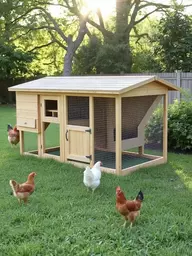
What if a tiny oversight today could lead to a disaster tomorrow? When it comes to your chicken coop, regular inspections are not just beneficial—they're essential for the safety and well-being of your flock. Let's explore the crucial lessons every chicken keeper should know!
What You Will Learn
- Regular inspections help identify potential structural issues before they escalate.
- Neglecting maintenance can lead to costly repairs and compromised safety for your chickens.
- Understanding local building codes is vital for ensuring your coop is safe and compliant.
- Proactive repairs can significantly extend the life of your chicken coop and protect your investment.
Process Flow for Chicken Coop Maintenance
Maintaining your chicken coop involves a systematic approach, from initial inspection to establishing a regular schedule. The graphic below illustrates the key steps to ensure your flock's safety and the longevity of their home. For more detailed instructions on keeping your coop in pristine condition, check out our guide to cleaning your chicken coop.

1. Regular Inspection
Identify wear and tear early to prevent major issues. Look for cracks, signs of decay, and pest infiltration.
2. Proactive Repairs
Address issues promptly to safeguard flock health and prevent structural damage or increased predator risk.
3. Ensure Code Compliance
Research local building codes for coop size, placement, and materials to ensure a safe and legal structure.
4. Create Maintenance Schedule
Implement monthly inspections, seasonal deep cleaning, and annual reviews for lasting coop integrity.
Understanding Structural Integrity in Chicken Coops: The Foundation of Flock Safety
When it comes to creating a safe haven for your chickens, structural integrity is non-negotiable! As a lifelong chicken keeper, I've seen firsthand the importance of a sturdy coop that stands strong against the elements and potential predators. Without a solid foundation and regular upkeep, your feathery friends could be at risk, and that’s something we definitely want to avoid.
In this section, we’ll delve into why it's crucial to inspect your chicken coop regularly and how neglecting these checks can lead to serious consequences. Let’s ensure our coops are built to last and keep our flocks safe!
Why Regular Inspection is Essential for Your Chicken Coop
Regular inspections of your chicken coop help identify any wear and tear before it becomes a significant problem. Trust me, I've had my fair share of surprises over the years, and many were preventable with a simple check-up! By taking time to examine your coop, you can:
- Identify potential structural issues early
- Ensure ventilation is adequate for healthy hens
- Spot signs of decay or pest infiltration
- Maintain compliance with local building codes
It’s not just about aesthetics; it's about ensuring the health and safety of your flock. A little diligence goes a long way in keeping your chickens comfortable and protected! For those looking for robust designs that inherently offer more protection, consider exploring predator-proof chicken coop ideas.
Identifying Risks: The Consequences of Neglecting Coop Inspections
Ignoring the need for regular inspections can lead to a domino effect of issues. A compromised coop can result in numerous problems, including:
- Structural failures leading to collapses
- Increased vulnerability to predators
- Health issues for your chickens due to poor conditions
- Expensive repairs that could have been avoided
Just imagine walking out one morning to find your coop damaged or, worse, your flock at risk! Taking preventative measures is key, allowing you to enjoy the peace of mind that comes with knowing your chickens are well cared for.
Ensuring Compliance with Building Codes for Safe Coop Construction
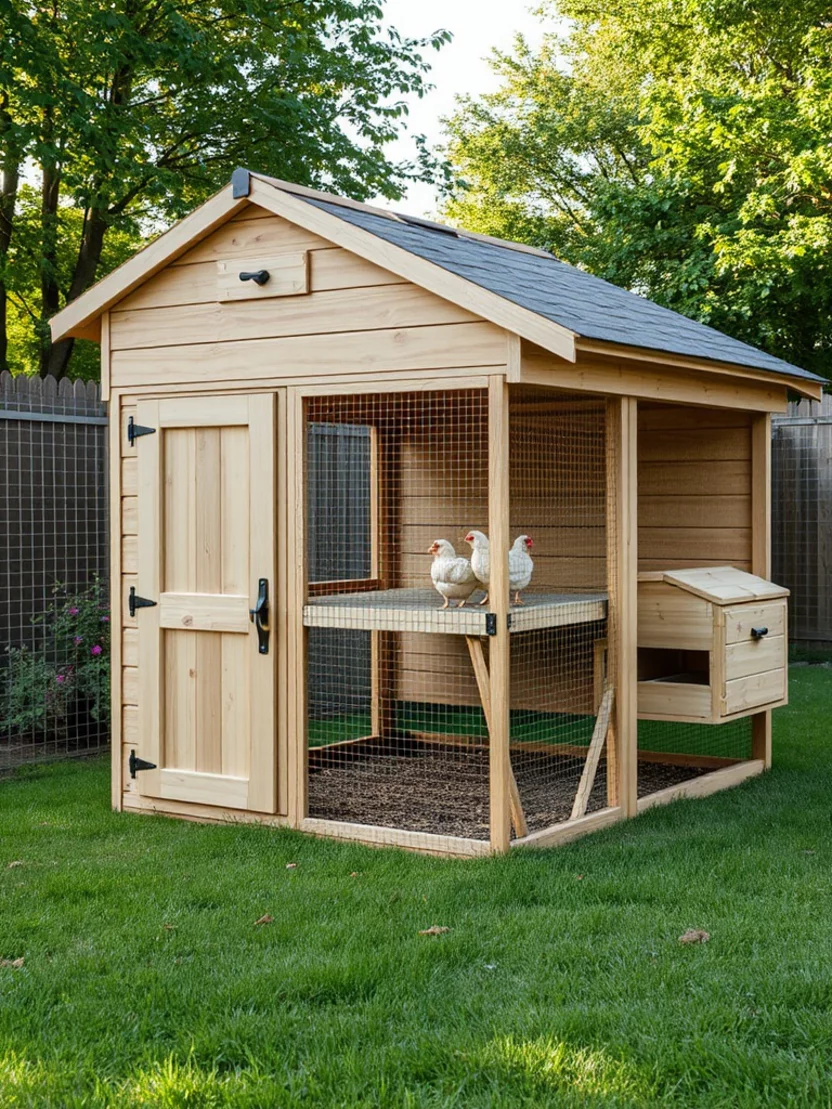
Building codes can vary significantly depending on where you live, but ensuring your coop meets these standards is vital for safety. Not only does compliance help maintain the structural integrity of your coop, but it also protects your investment. Here are a few tips to keep in mind:
- Research local regulations regarding coop size and placement
- Incorporate necessary features like proper drainage
- Use materials that meet safety standards
- Consult with local experts if unsure about requirements
By adhering to these guidelines, you can rest easy knowing you've built a safe and compliant home for your chickens—one that will stand the test of time!
Pro Tip
When conducting your coop inspections, consider using a simple checklist. This will help you stay organized and ensure that no detail is overlooked! Include items such as checking for signs of pests, ensuring ventilation is adequate, and looking for any cracks or decay in the structure. A systematic approach can make the process quicker and more effective, keeping your coop and flock safe!
Key Takeaways: Ensuring Your Chicken Coop Stays Safe and Secure
As a backyard chicken keeper, I can’t stress enough the importance of keeping your chicken coop in top shape! Regular inspections and proactive repairs are essential to ensure your feathered friends remain safe and healthy. By making a habit of checking your coop, you not only enhance its durability but also protect your flock from potential dangers.
Here are some key points to remember:
- Conduct routine inspections to catch issues early.
- Address repairs promptly to prevent further damage.
- Stay informed about local building codes to keep your coop compliant.
By prioritizing these practices, you'll create a safer environment for your chickens and ensure a thriving flock!
The Importance of Regular Inspections and Proactive Repairs
When we talk about coop safety, regular inspections play a vital role. Think of your chicken coop as a guardian—a protective shell that keeps your birds safe from harm. Regularly checking for wear and tear helps keep that guardian strong!
Neglecting these inspections can lead to severe consequences. Here’s what can happen:
- Increased risk of predator attacks.
- Structural damage that can compromise your coop's integrity.
- Unforeseen repair costs that could have been avoided with timely maintenance.
By staying proactive, you're not just maintaining a coop; you're safeguarding your entire flock!
Empowering Your Coop Maintenance: DIY or Professional? Making the Right Choice
Now, let’s talk about how to empower your coop maintenance. One of the biggest questions many chicken keepers face is whether to tackle repairs themselves or call in a professional. Trust me, I've been in both situations!
Here are some factors to consider when making that decision:
- Assess your skill level and comfort with tools.
- Evaluate the complexity of the repair needed.
- Consider your budget—DIY can save money but may take more time.
In my experience, some repairs are straightforward and perfect for a DIY enthusiast, while others may benefit from a professional touch. Don't hesitate to reach out for help if needed! If you're considering building a new coop or undertaking significant repairs, our DIY chicken coop plans for 6 chickens can provide valuable guidance.
Next Steps for Your Chicken Coop Maintenance
Start Your Inspection Today: A Quick Guide to Getting Started
Ready to dive into your coop inspection? Let’s get started! Here's a simple checklist to guide you:
- Check for any visible cracks or damage on the coop’s exterior.
- Inspect the roof for debris and trapped water.
- Examine the coop interior for signs of pests or decay.
With just a bit of time and effort, you can ensure your chicken coop is safe and secure for your flock!
Frequently Asked Questions About Chicken Coop Maintenance
Here are some common questions about maintaining your chicken coop:
- Why are regular chicken coop inspections so important? Regular inspections help identify issues like structural damage, pest infiltration, or poor ventilation early on, preventing them from escalating into major problems that could compromise your flock's safety and health.
- What are the risks of neglecting coop maintenance? Neglecting maintenance can lead to structural failures, increased vulnerability to predators, health problems for your chickens due to unsanitary or unsafe conditions, and costly repairs that could have been avoided with proactive care.
- How often should I inspect my chicken coop? It's recommended to conduct monthly inspections for general upkeep, seasonal deep cleaning, and annual comprehensive reviews to assess and reinforce the coop's overall integrity.
- Do I need to check local building codes for my chicken coop? Yes, absolutely. Building codes vary by location and are vital for ensuring your coop's safety, legality, and structural integrity. Compliance can help you avoid potential fines and ensure a lasting home for your chickens.
- Should I DIY coop repairs or hire a professional? The decision depends on your skill level, the complexity of the repair, and your budget. Simple fixes are often suitable for DIY, while more complex issues might benefit from professional expertise. Always prioritize the safety and structural soundness of your coop.
Join the Conversation: Share Your Experiences and Tips on Coop Maintenance
I love hearing from fellow chicken enthusiasts! If you've got tips or stories about your coop maintenance journey, don’t hesitate to share. Engage with our community at American Chicken Coops, where we can all learn from one another.
Let’s build a thriving community of backyard chicken keepers who support each other with valuable insights and experiences!
Creating a Maintenance Schedule to Enhance Coop Longevity
Finally, it’s crucial to have a maintenance schedule. Here’s a simple way to structure it:
- Monthly inspections for general upkeep.
- Seasonal deep cleaning to prevent disease.
- Annual reviews to assess and reinforce coop integrity.
By sticking to this schedule, you not only enhance the longevity of your coop but also create a more enjoyable environment for you and your chickens. Happy coop keeping! To learn more about effective seasonal care, consider our tips for how to winterize your chicken coop effectively.
Recap of Key Points
Here is a quick recap of the important points discussed in the article:
- Conduct routine inspections to catch structural issues early and ensure the health of your flock.
- Address repairs promptly to prevent further damage and costly fixes.
- Stay informed about local building codes to maintain compliance and safety.
- Create a maintenance schedule that includes monthly inspections and seasonal deep cleaning.

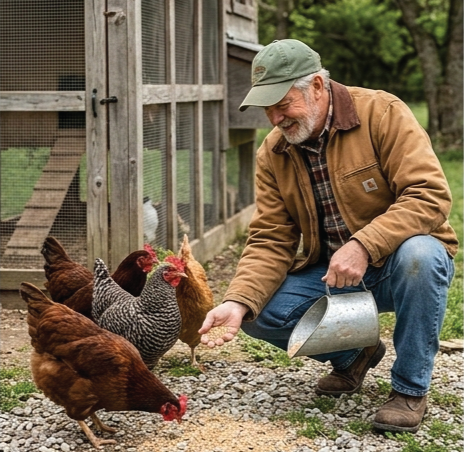
Harold 'Hank' Dawson
Passionate chicken keeper. Homesteading enthusiast. Advocate for sustainable living.
Harold 'Hank' Dawson is dedicated to helping U.S. backyard chicken keepers create safe and practical housing solutions, empowering beginners, homesteaders, and suburban homeowners to embrace a joyful chicken-keeping lifestyle. Join her on American Chicken Coops for reliable resources and tailored strategies that simplify your coop building and maintenance and enhance your flock's well-being.